Whispers of Humanity: Jaume Plensa
on Sculpting the Universal Soul
“Sculpting is not just an activity—it’s a way of living, a way of breathing.””
Sculpting a Global Perspective
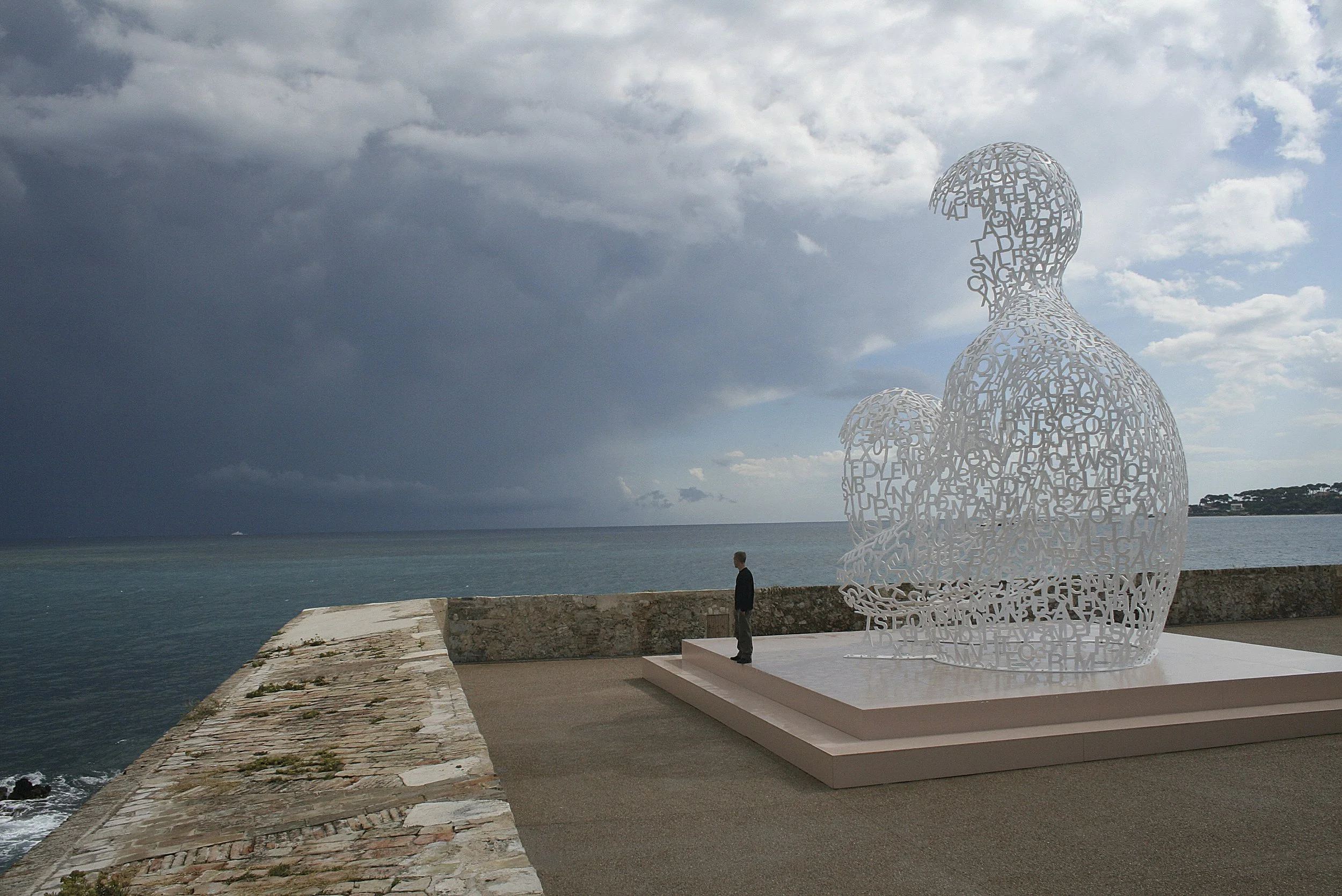
Plensa’s art is undeniably global, shaped by his extensive travels and encounters with diverse cultures. “Traveling is one of the most exciting parts of my work,” he says. “From the Mediterranean to India, from Japan to the U.S., each place adds to the dialogue of my sculptures. It’s a privilege to install pieces worldwide and share my memory with others.”
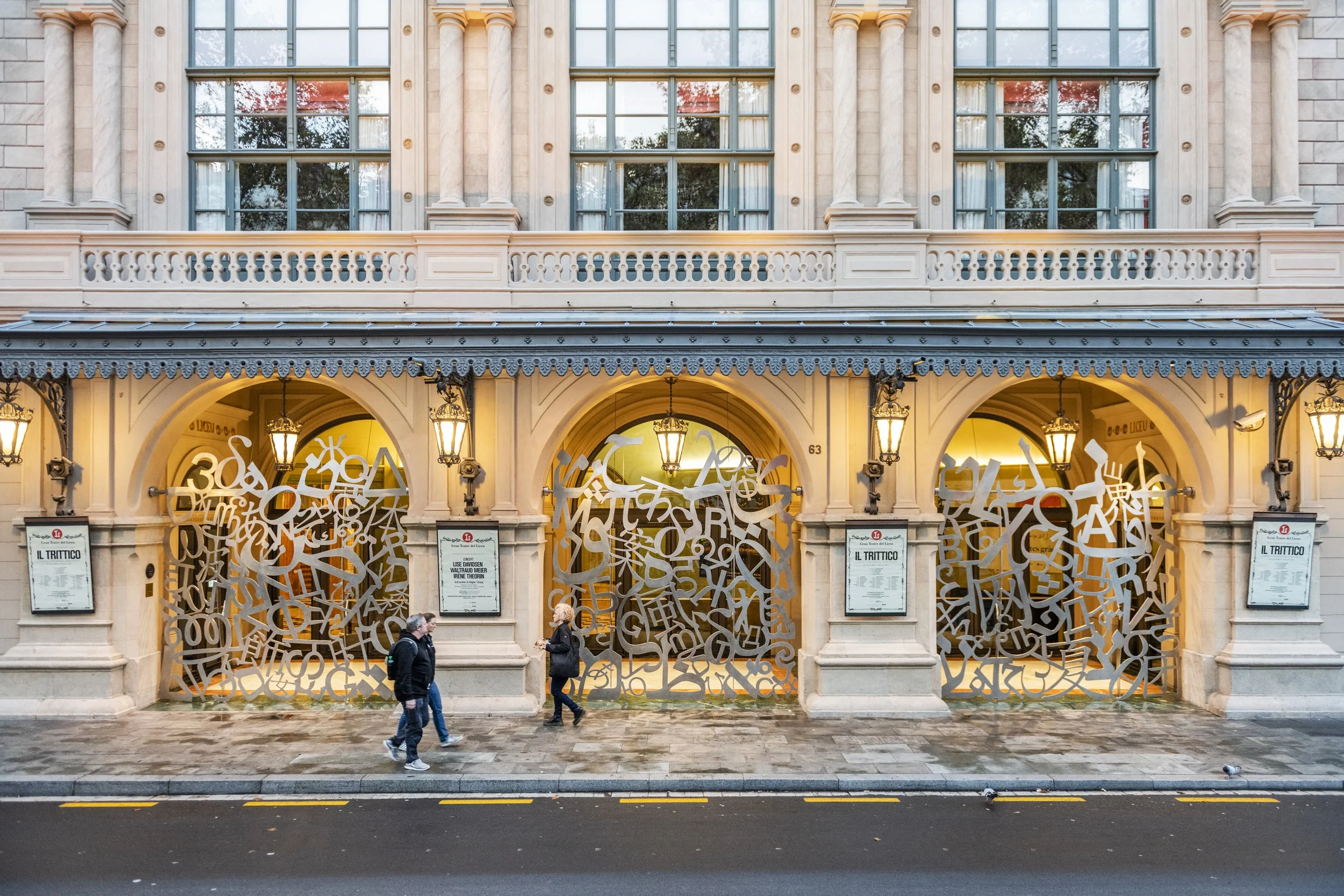
The integration of text and alphabets into his work reflects this global perspective. “I’ve always thought of text as the music of our bodies,” he explains. “Each alphabet is a portrait of a culture. By combining them, I celebrate the diversity of our world.” His fascination with language is not limited to its written form but extends to the profound resonance of voice. “Our voice is the music of our body,” he muses. “When we write, we create a score for this music.”
The Universal Language of the Face
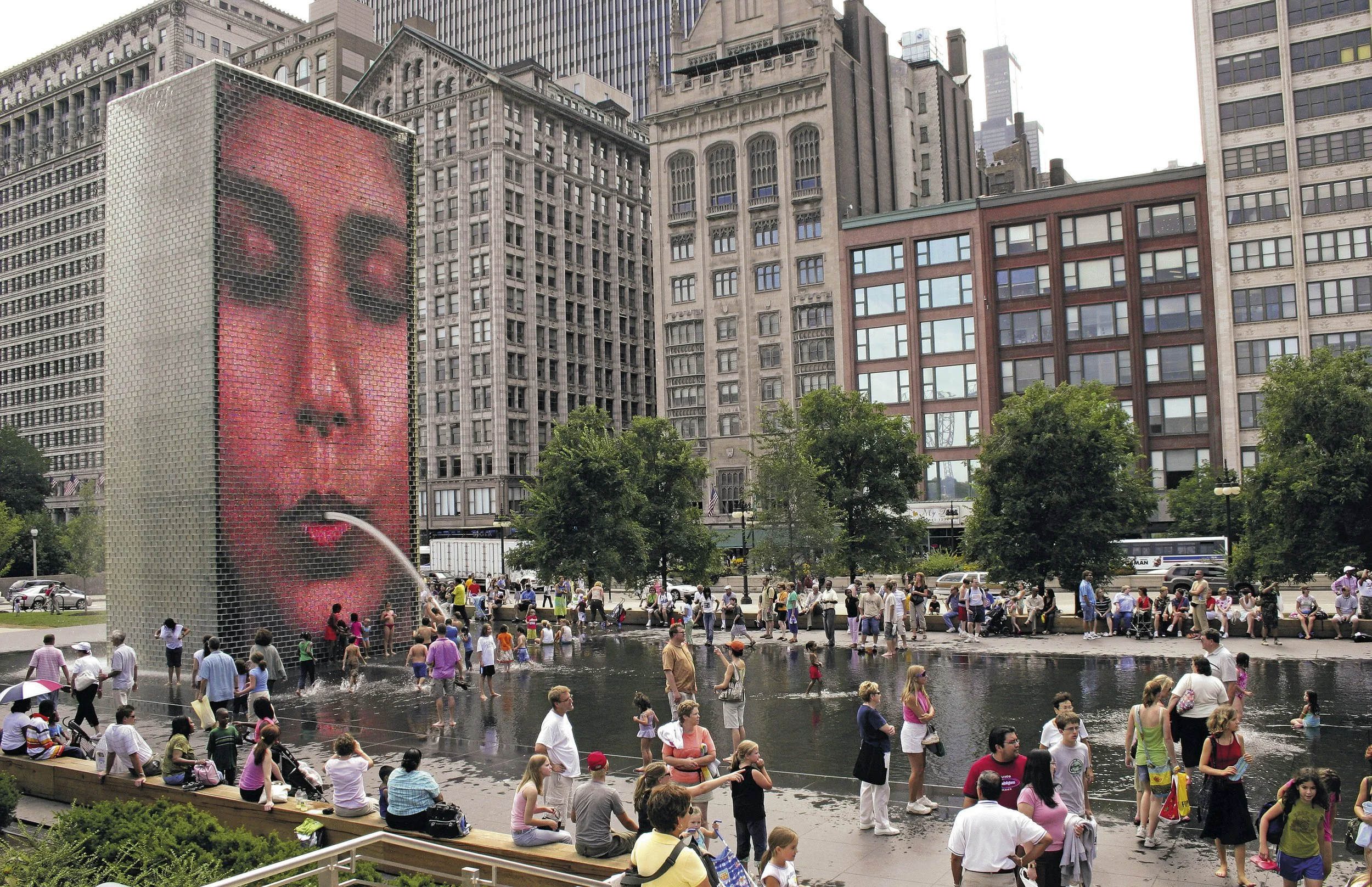
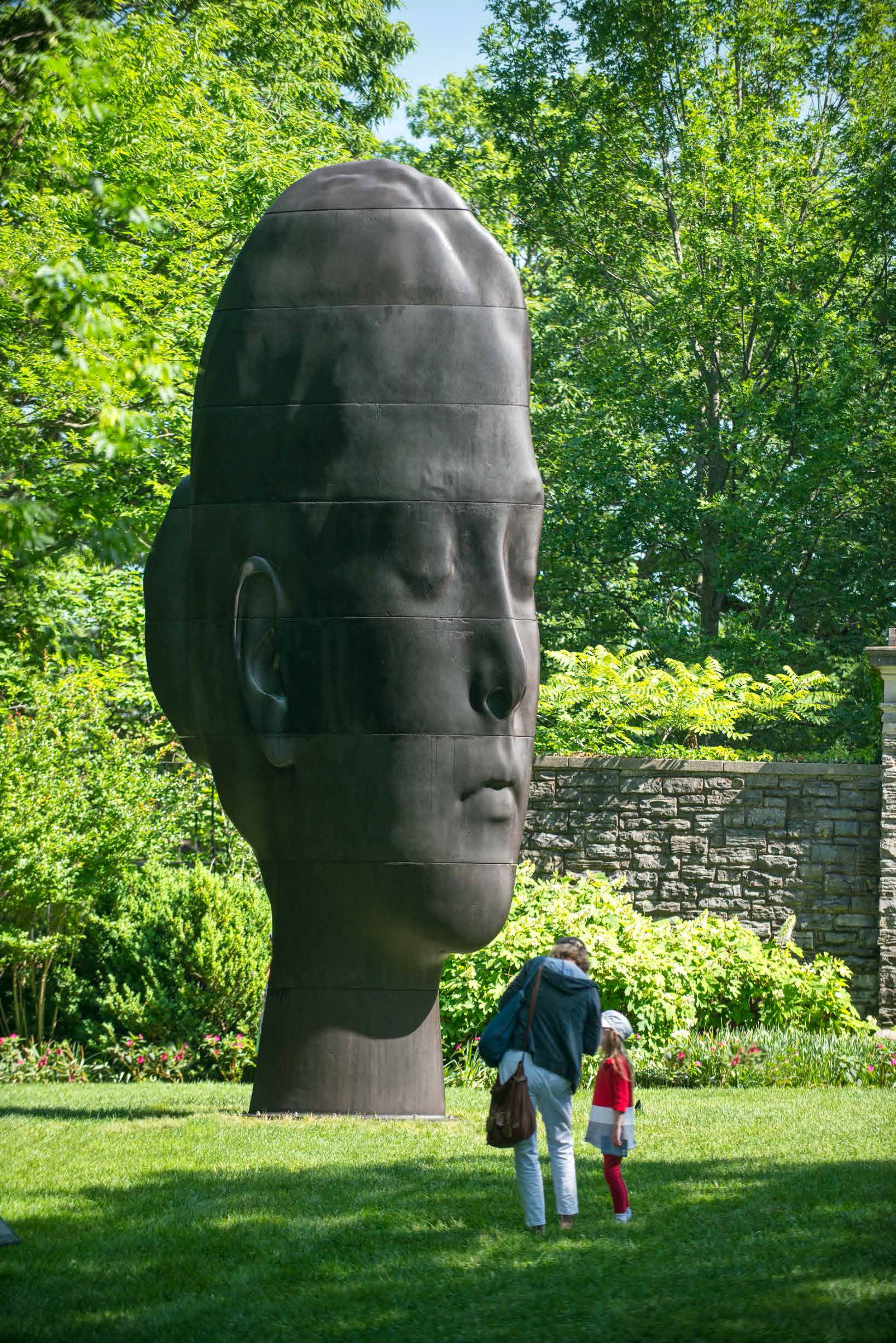
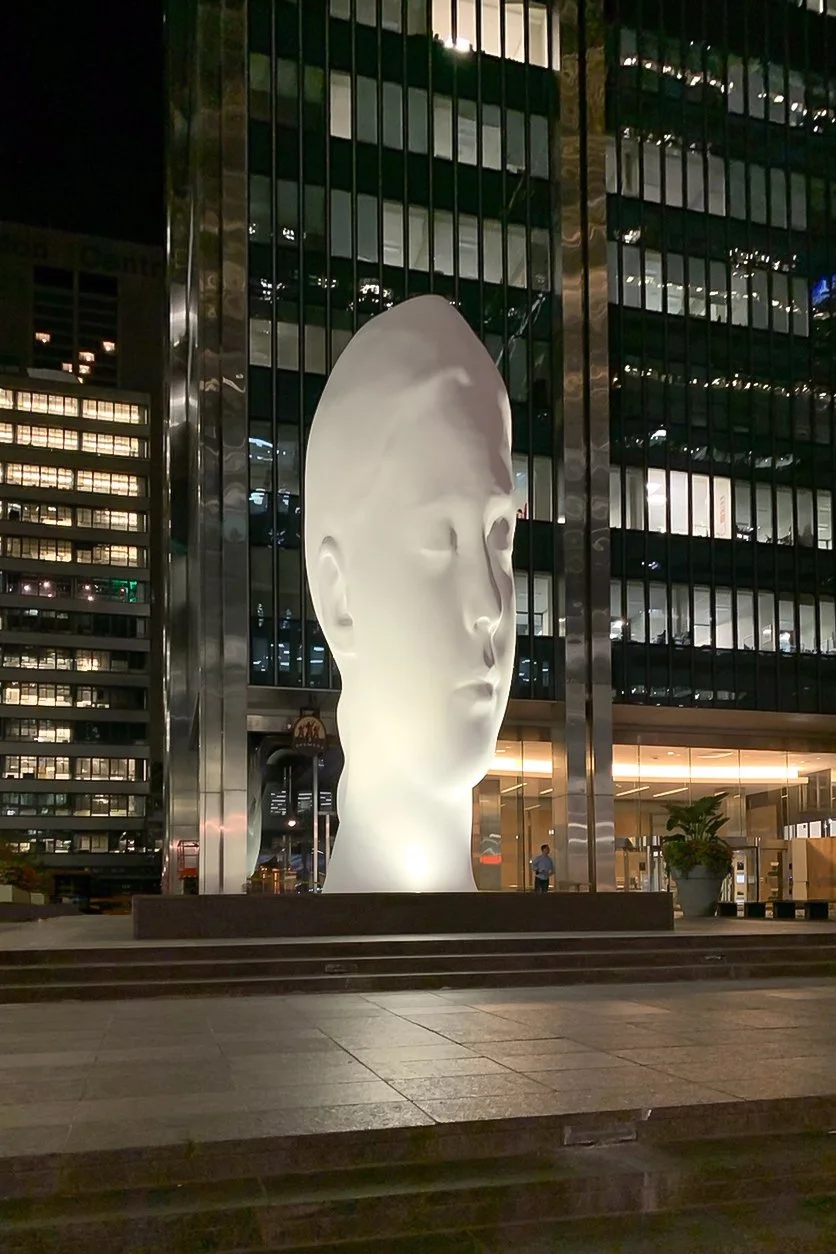
Faces, a recurring motif in Plensa’s work, hold a profound significance. “A face is a gift we give to others,” he says. “It’s symbolic, something we can never truly see ourselves. My fascination with faces began with my project in Chicago, where I filmed 1,000 faces for the Crown Fountain. Twenty years later, I’m still captivated by their stories and universality.”
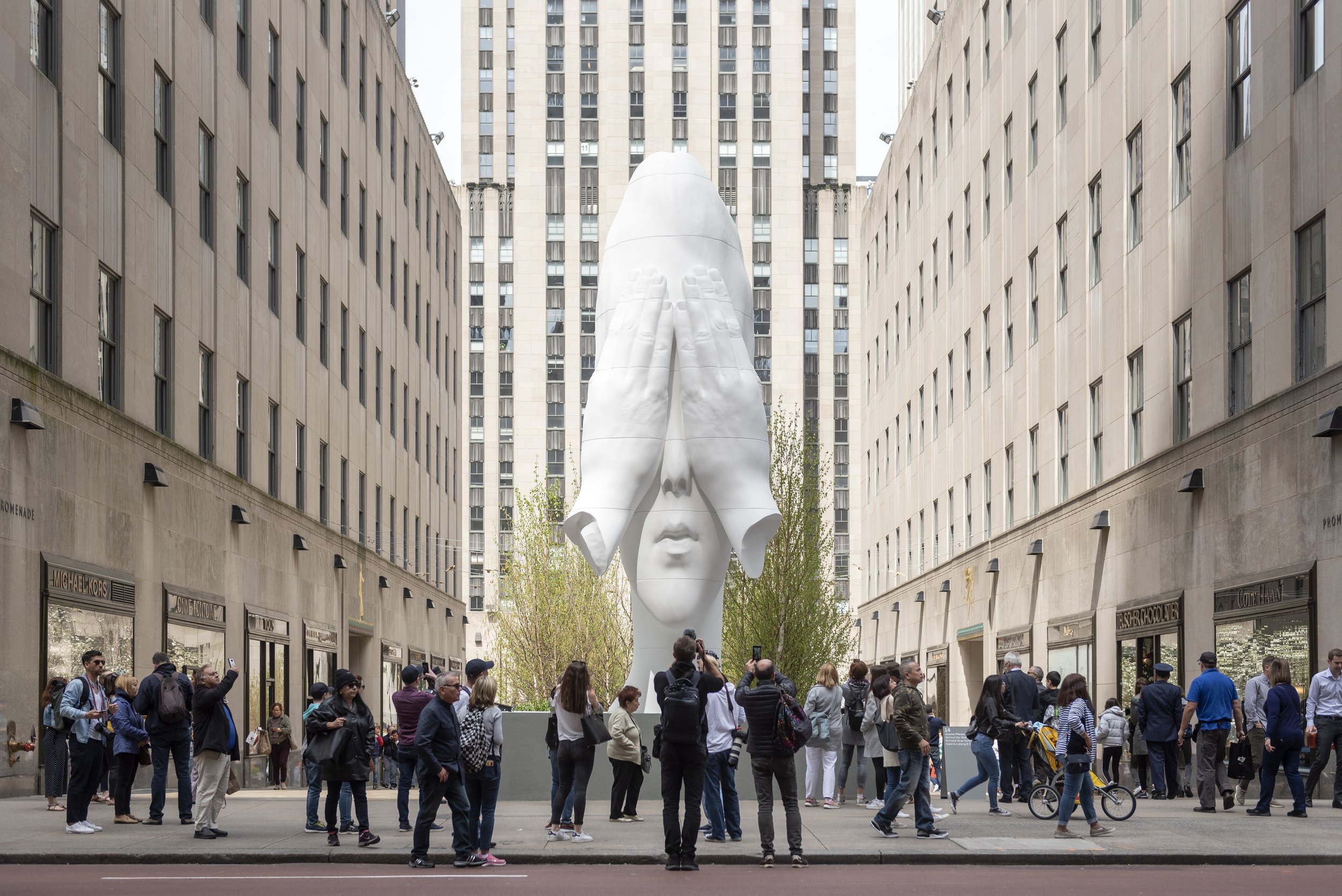
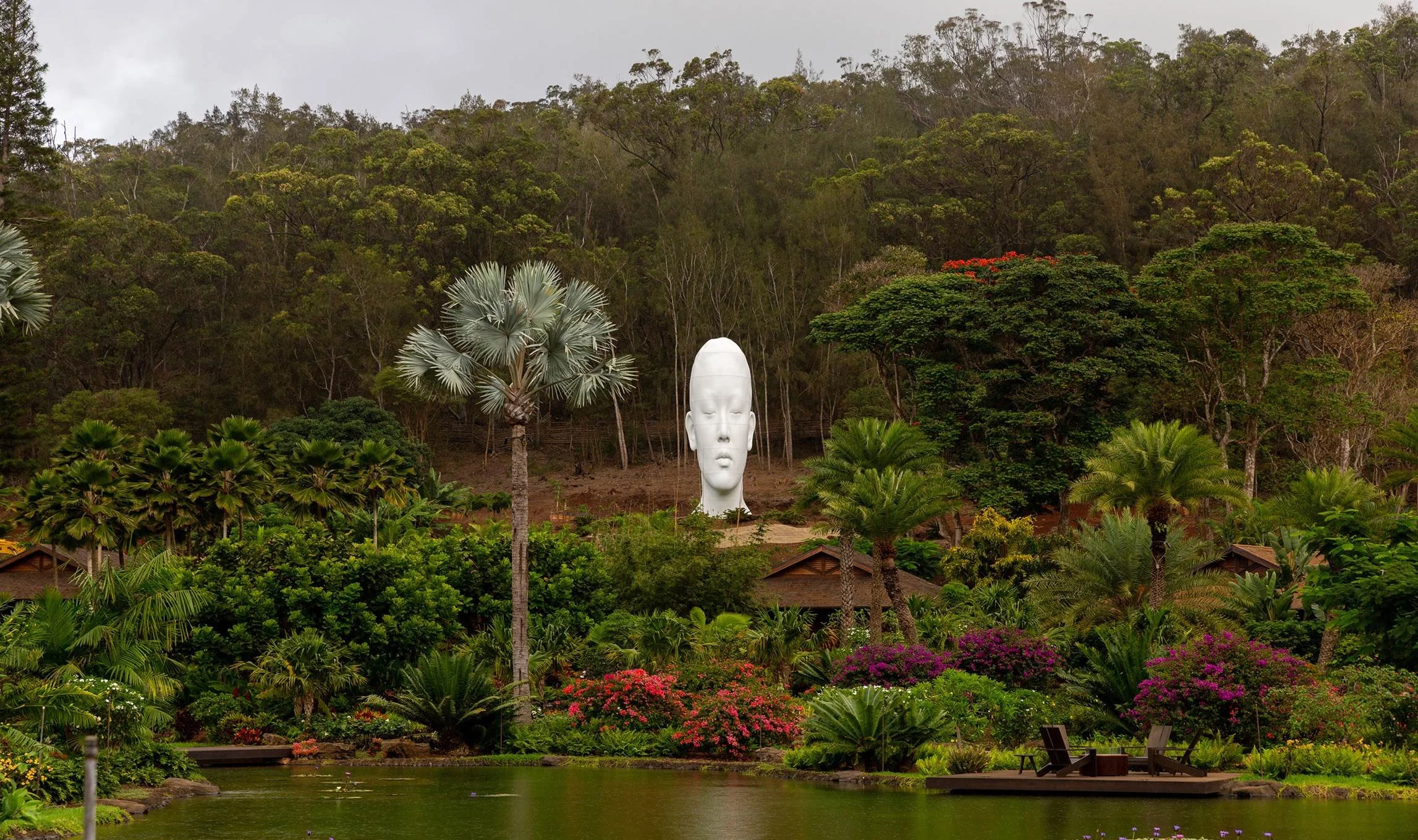
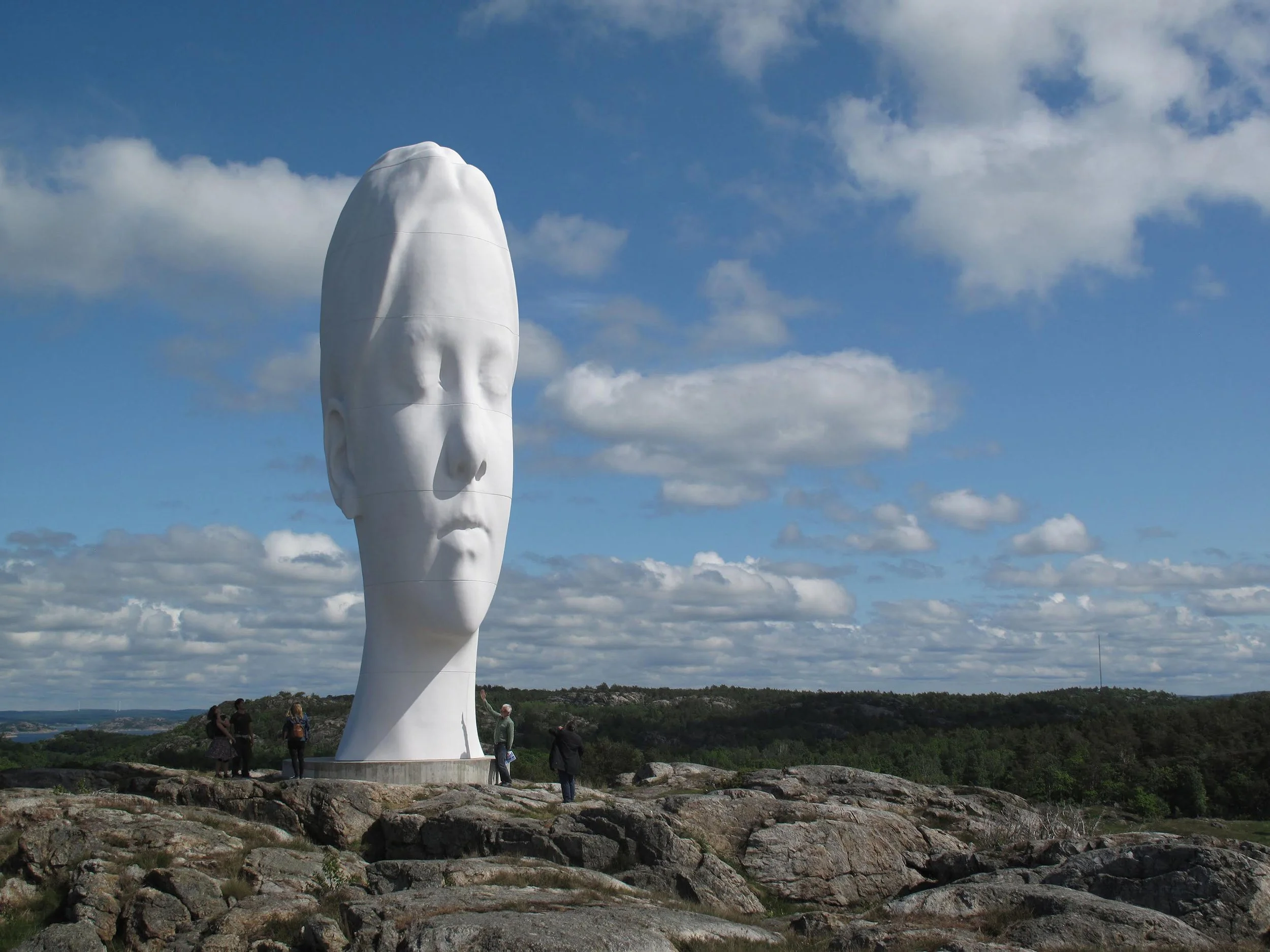
His works often feature faces that blend seamlessly with their surroundings, inviting viewers to see themselves within the sculpture. “A face is a blank canvas,” he muses. “It allows us to project and explore endless ideas. It is through faces that we truly connect as humans.” This emphasis on connection has made his works timeless and resonant across cultures.
Embracing Scale and Context
Scale is a defining characteristic of Plensa’s work, but for him, it’s about more than size. “Scale is about relationships,” he explains. “It’s not just being big or small; it’s about the dialogue a piece has with its surroundings and the ideas it embodies.”
This sensitivity to context extends to his approach to culturally and historically significant sites. “When working on a new project, I immerse myself in the community’s traditions and background,” he says. “Art creates a dialogue between my experiences and theirs, weaving a network of shared memory.” For example, his monumental Water Soul, located at the Hudson River’s edge, whispers a reminder to listen to the sound of water, the origin of life itself.
The Art of Creation
Plensa’s creative process is as fluid as the ideas he seeks to express. “When you start a project, you never know where it will lead,” he reveals. “Some pieces, like the Crown Fountain, remained true to their initial sketches, while others evolve in unexpected ways. You must let the art guide you.”
He describes a particularly impactful project in Rio de Janeiro: a massive head rising from the bay, creating a poetic dialogue between sculpture and landscape. “Some viewers said, ‘We knew Rio was beautiful, but with your piece, it’s unforgettable.’ That’s the power of art—to amplify beauty and create lasting impressions.”
Looking Ahead
As Plensa’s career continues to soar, he remains committed to sharing his vision. Upcoming projects include a retrospective at the Meijer Sculpture Garden in Grand Rapids, an installation for the São Paulo Festival, and a monumental piece for San Juan, Puerto Rico. Each new endeavor reflects his unwavering dedication to exploring the human spirit.
Despite his global acclaim, Plensa’s focus remains on the process rather than the accolades. “Art isn’t about me,” he says. “I want my work to speak for itself, to be like a message in a bottle, traveling through the ocean of time to reach someone I may never know.”
The Power of Connection
For Plensa, art’s greatest gift is its ability to connect. “A sculpture is a gathering place,” he reflects. “It’s where people celebrate their diversity and find common ground. Our world is complex, but art offers hope and beauty—a reminder of what unites us.”
Jaume Plensa’s work is a testament to the transformative power of art, reminding us that beneath our differences lies an invisible thread that binds humanity together. As he continues to leave his indelible mark across continents, his sculptures whisper timeless truths—of silence, connection, and the shared beauty of the human spirit.
In a world bustling with ceaseless noise, Jaume Plensa’s sculptures urge us to pause, reflect, and rediscover the profound beauty of silence. Known for his monumental works, such as the Crown Fountain in Chicago and the serene Water Soul gracing the Hudson River, Plensa’s creations transcend mere physicality, offering viewers a deeply personal connection to the universal human experience. His sculptures invite reflection not only on the external world but also on the shared humanity that binds us all.
Sitting with Plensa in his studio, one is immediately struck by his warmth and introspection. Behind the commanding scale of his pieces lies an artist profoundly in tune with the subtleties of human emotion and the unspoken connections that define us. His quiet yet intense demeanor mirrors the themes of his art—complex, profound, and quietly transformative.
The Journey Begins
Plensa’s artistic journey began in Barcelona, where the rich tapestry of Mediterranean culture left an indelible mark on his soul. “I always said I was born in the Mediterranean,” he reflects. “We have an incredible tradition. My father, a passionate reader, introduced me to books adorned with images of Etruscan, Egyptian, Roman, and Greek art. These covers touched me deeply as a child and became the foundation of my creative vision.”
Though he started his formal education in Barcelona, Plensa’s path soon diverged from conventional academia. “I left my studies to follow my own creative journey,” he shares. “It was in Berlin during the 1980s that sculpting truly found me. Once I began, it was something I couldn’t stop.
““A sculpture is a gathering place; it’s where people celebrate their diversity and find common ground. Our world is complex, but art offers hope and beauty—a reminder of what unites us.””