
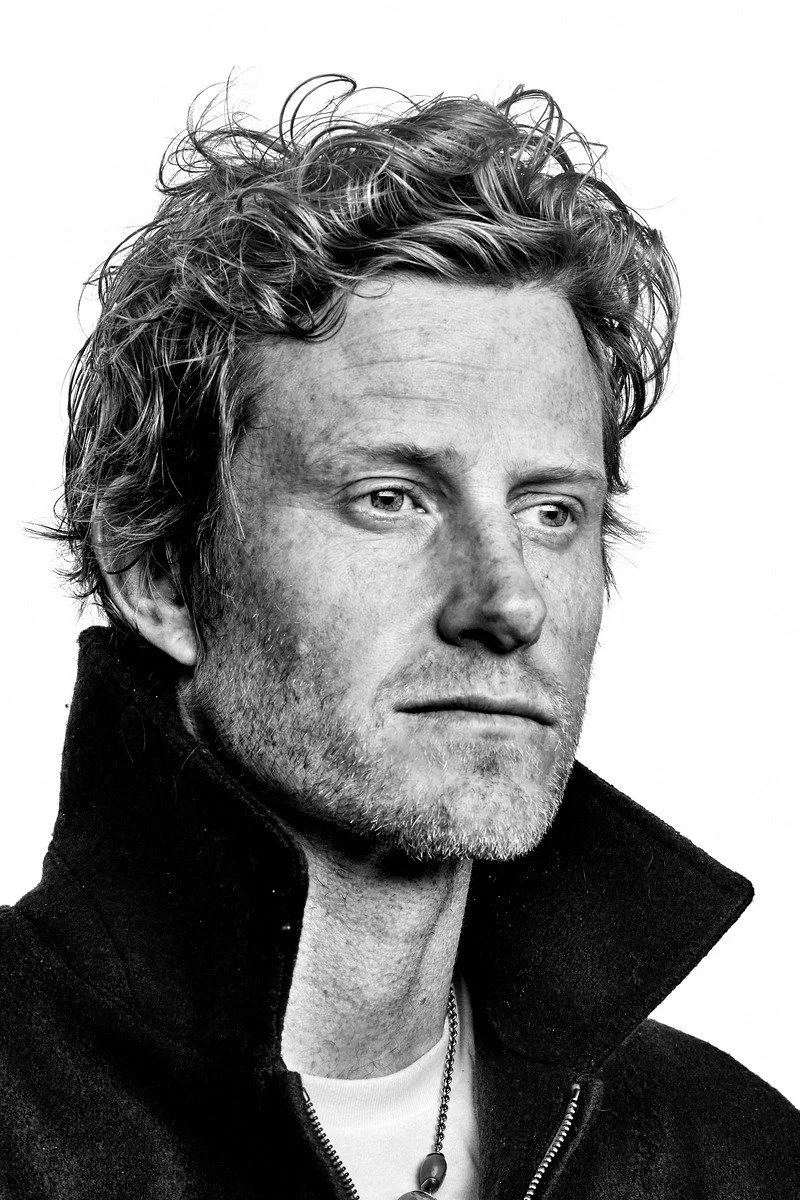
CORY RICHARDS
“Only the summit can illuminate its own insignficance.”
Dancing with Everest:
The Cory Richards Interview
A World Traveler Magazine Exclusive
by Kevin Bechard
At Altitude
Cory Richards has spent much of his life in places where breath becomes currency and hesitation carries consequence. A world-renowned National Geographic photographer and elite alpinist, he has climbed some of the most unforgiving peaks on earth, including summiting Everest without supplemental oxygen and becoming the only American to summit an 8,000-meter peak in winter, a feat he achieved on Gasherbrum II in Pakistan. At those heights, oxygen deprivation is not metaphor but chemistry. Above 8,000 meters, the body begins to starve. Judgment dulls. Even simple tasks require deliberate calculation. Clipping into a fixed line can demand full concentration. Tying a knot can feel like solving a problem through fog.
Richards earned global recognition for those ascents, including being named National Geographic Adventurer of the Year, yet the résumé alone does not explain the path he has taken. The landscapes he has pursued—high, exposed, indifferent to human ambition—mirror a parallel interior terrain shaped by bipolar disorder, PTSD, addiction, and the shifting tides of a mind that has known both elevation and collapse. His now-familiar declaration reads less like branding than biography: “In order to escape chaos, I will live madly. I will risk my life in order to save it.”
The public imagination prefers to cast him as emissary of the edge, defined by summits and avalanches. The reality is more measured. “The truth is so much of my life actually feels very mellow or mundane,” he says, as he prepares coffee during our conversation. “And in fact, many times I feel horrifically bored.” The statement undercuts the mythology, revealing the long stretches between expedition and image, between risk and reflection.
He understands how easily perception drifts from reality, especially in the age of social media where we measure ourselves against a non-existent standard. For someone whose work circulates globally, the distortion is familiar. The summit photograph is visible; the hours of doubt, acclimatization, and descent rarely are. Yet, he acknowledges the strange reality: “Only the summit can illuminate its own insignificance.” You must reach the top to realize it doesn't matter, yet it matters because you had to get there to understand its irrelevance.
Everest, in particular, resists simplification. To many, it represents conquest. To Richards, it represents relationship. “And the truth is, I just feel like that mountain is just this beautiful dancing partner,” he says. “There's a familiarity to her… there's an intimacy to her. There's a softness, a texture that I just love.” The metaphor reframes the mountain not as a trophy but as a presence—something to return to, listen to, and respect. If he returns, he envisions doing so alone, on a non-standard route, seeking a deeper intimacy and total self-sufficiency away from the “hyper-capitalistic endeavor” of modern climbing.
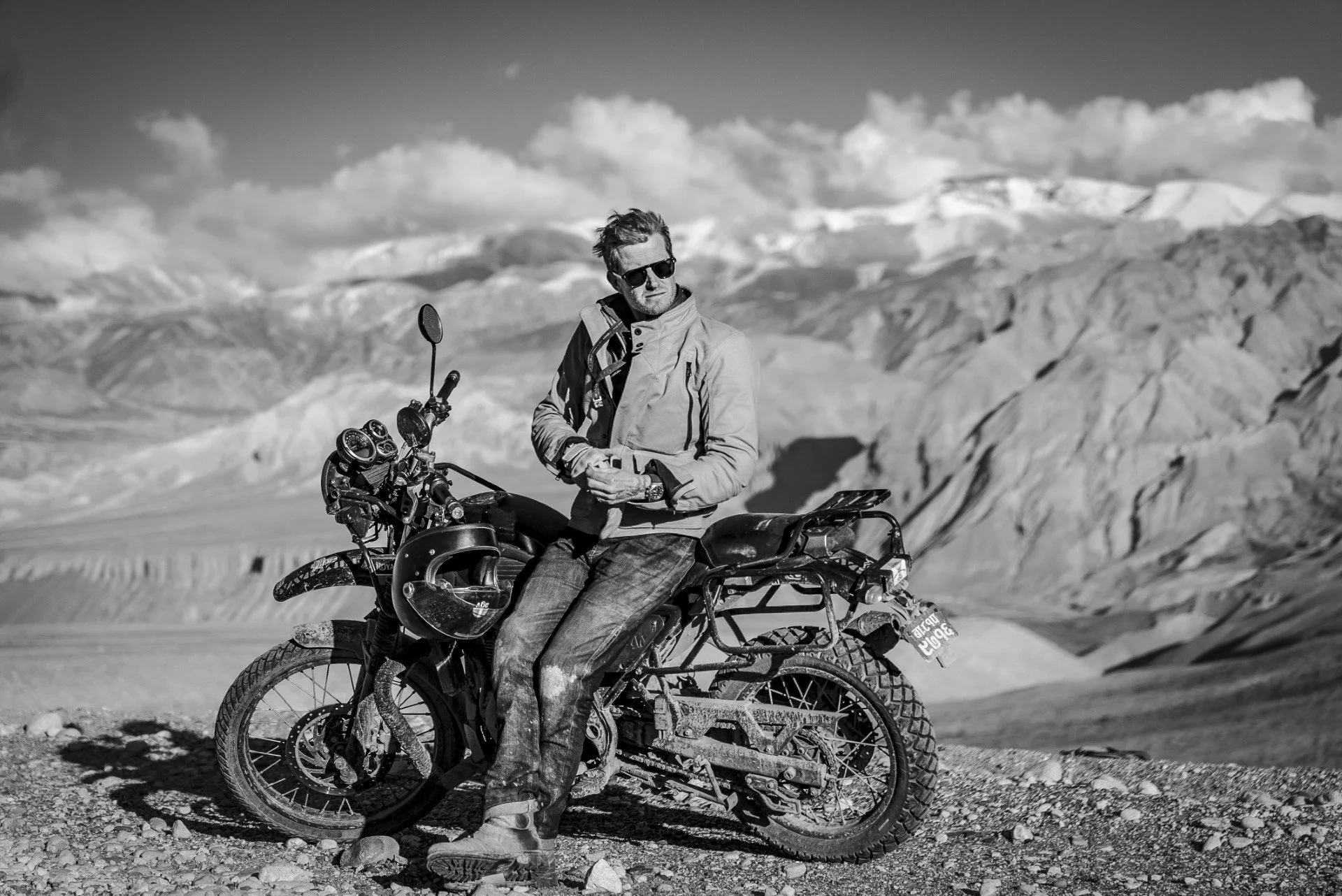
Photo © Cory Richards
Buried and Planted
High in the Karakoram, amid wind that erases tracks within minutes and snowfields that fracture without warning, Richards survived a near-fatal avalanche during the winter ascent of Gasherbrum II in Pakistan that would become one of the defining public chapters of his life. The event unfolded with the violence avalanches always carry: sound, motion, force. Survival was improbable.
For observers, the narrative resolved neatly: the climber who lived, the miracle, the resilience story. For Richards, the aftermath proved more complicated. “It’s been my story for a long time,” he says. “There’s a fatigue in it.” Recounted often enough, trauma can harden into identity, sometimes eclipsing the broader arc of his work.
In reflecting on that period, he often describes a distinction that reframes catastrophe without romanticizing it. “I did a talk recently about the difference between being buried and being planted,” he says. “And they can exist at the same time.” To be buried suggests finality. To be planted suggests possibility. The avalanche did not conclude his story; it altered its direction.
Resilience, as he now defines it, is not muscular persistence. “Resilience isn't about gripping harder,” he says. “It's about letting go smarter.” On a mountain, clinging to a summit in deteriorating weather can prove fatal. In life, clinging to narrative or identity can be equally constraining. Letting go requires judgment, humility, and recalibration.
The Myth of More
As Richards moves deeper into midlife, his focus has shifted from altitude to proportion. He has grown wary of a culture that confuses acceleration with progress and busyness with worth. “Our culture has prioritized this idea of busyness as being success,” he says, where “success is being able to have enough and go have coffee with a friend on a Tuesday afternoon and not be worried that you're missing something.”
Success, for him, is now about the freedom to choose how and with whom he spends his time. It has also allowed him to push back against the myth of constant intensity that surrounds his public image online. “One of the things that I would like people to know about me is that in my day-to-day life, I could be seen as incredibly lazy,” he says. The point is not idleness but permission. “It's okay to allow yourself a sense of ease. It's okay to not make a billion dollars.”
Yet this ease is supported by a deliberate internal architecture. To navigate the oscillations of a mind shaped by bipolar disorder and PTSD, Richards relies on a set of daily “pillars” that anchor his equilibrium. These non-negotiable practices—meditation, physical movement, reading, journaling, creative acts, purpose-driven work, and acts of service—serve as his internal rigging. They are not grand gestures but quiet disciplines, repeated day after day. When he tends to those pillars, momentum follows.
Travel, too, has evolved. The impulse that once drove him toward extremity now draws him toward immersion. There’s “a piece of me that literally wants to go lay in the dirt,” he says. “That wants to go be cold outside, that wants to stare up at something so big that I disappear into it.” He pauses, then adds, “That is cellular in me.” The landscapes he seeks are less about conquest and more about recalibration, environments that restore scale and quiet the noise of comparison.
Excavating the Heart of a Place
During an artist residency at Magdalen College, Oxford University, Richards encountered a different kind of elevation. He applied his “National Geographic reportage concept” to documenting student life, fellows, and the historic landscape. The architecture is centuries old, its courtyards and libraries shaped by accumulated scholarship and inherited ambition.
Walking along the tree-lined Addison’s Walk and across Christ Church Meadow, he found himself wondering how many people had traced those same routes before him, and what problems they had wrestled with along the way. At one point, he even tried to imagine the cumulative energy generated there, the literal electricity of centuries of thought moving through the place. “I was trying to excavate the heart of a place,” he says. His camera, long accustomed to Himalayan light and wind-scoured ridgelines, adjusted to softer illumination, searching for atmosphere rather than spectacle. Whether at altitude or amid Oxford’s historic landscape, he remains attentive to what environment does to the human mind.
The Work Beneath the Work
Richards’ books extend that exploration inward. His memoir, The Color of Everything: A Journey to Quiet the Chaos Within, and his subsequent volume, Bipolar: Photographs from an Unquiet Mind, function as companion works rather than separate chapters. They trace the oscillations of his internal life alongside the external expeditions that often masked or magnified them.
Writing, Richards insists, is endurance of another kind. He rejects the idea that a great artist must create every day; he often goes months without creating until the energy builds to a point where it must be released. Now, that energy has flowed into a children’s book he is both writing and illustrating, a visual journey of integration rather than verticality.
The story unfolds through muted watercolors he painted himself. “It's about a little boy who's missing a piece of himself right out of the middle of his torso,” Richards says. “There's just this big piece missing. And he goes on a long journey to try to find that piece. But how he finds it and who he finds it with is, I'll leave that up to the imagination.”
The project marks a shift in medium, but not in instinct. Photography remains central, yet he is candid about its costs. “I think the reason my photographs are effective is because I am open,” he says. But there is a trade-off: “I think you martyr your own presence so that other people can experience the moment.”
Seconds
In recent years, Richards has extended his philosophy into enterprise. His apparel company, Seconds, co-founded with Taylor Shupe, is structured around infinite upcycling and human reintegration. The brand “is called Seconds... because it's predicated on second chances,” he says.
Sustainability here is both environmental and social. The brand aims to be the first truly zero-waste apparel brand, using proprietary technology to consume waste and create new materials. Socially, the company provides opportunities for formerly incarcerated or justice-affected individuals. Having witnessed the retreat of glaciers and the fragility of high-altitude ecosystems, Richards regards zero waste as a mission that must include people.
The Stillness at the Center
When asked where he returns simply for himself, Richards names two places: Mustang in Nepal and Salzburg in Austria. Mustang holds a particular resonance for him. “There's a resonance there that feels ancient and known and familiar to me in a way that no other place on the planet does.”
Salzburg holds a different kind of pull. It is where his photography career began, and the city still carries a sensory charge for him. “There's a smell to it. There's a texture, the bells, like everything that inspires me creatively.” He plans to return again while working on his children’s book, drawn back by the atmosphere that continues to inspire him.
Even Everest remains in the background, reframed. “I just want to go play,” he says, his voice carrying the lightness of someone who no longer needs the mountain to prove his existence. “I just want to go dance with a great dancing partner.” For Richards, solitude is no longer a vacuum to be filled with adrenaline, but a generative space—a sanctuary where the noise of comparison finally falls away.
Cory Richards has stood in the death zone without oxygen, and he has walked through the historic paths outside Oxford’s colleges in search of the same thing: a moment where the self disappears into the environment. He has survived the violence of the avalanche and the volatility of acclaim, only to find that the most difficult ascent was the one leading back to his own skin.
What remains is not the tally of summits or the prestige of the lens, but a sharpened attention to the present. He is a man no longer in a “big damn hurry,” finding success in a Tuesday afternoon coffee or the ancient echo of the Mustang desert. For Richards, “enough” is not a point of exhaustion or a retreat from the world. It is the ultimate orientation—a state of being where the internal terrain finally matches the horizon, and for the first time, the view is plenty.
Photo © Cory Richards
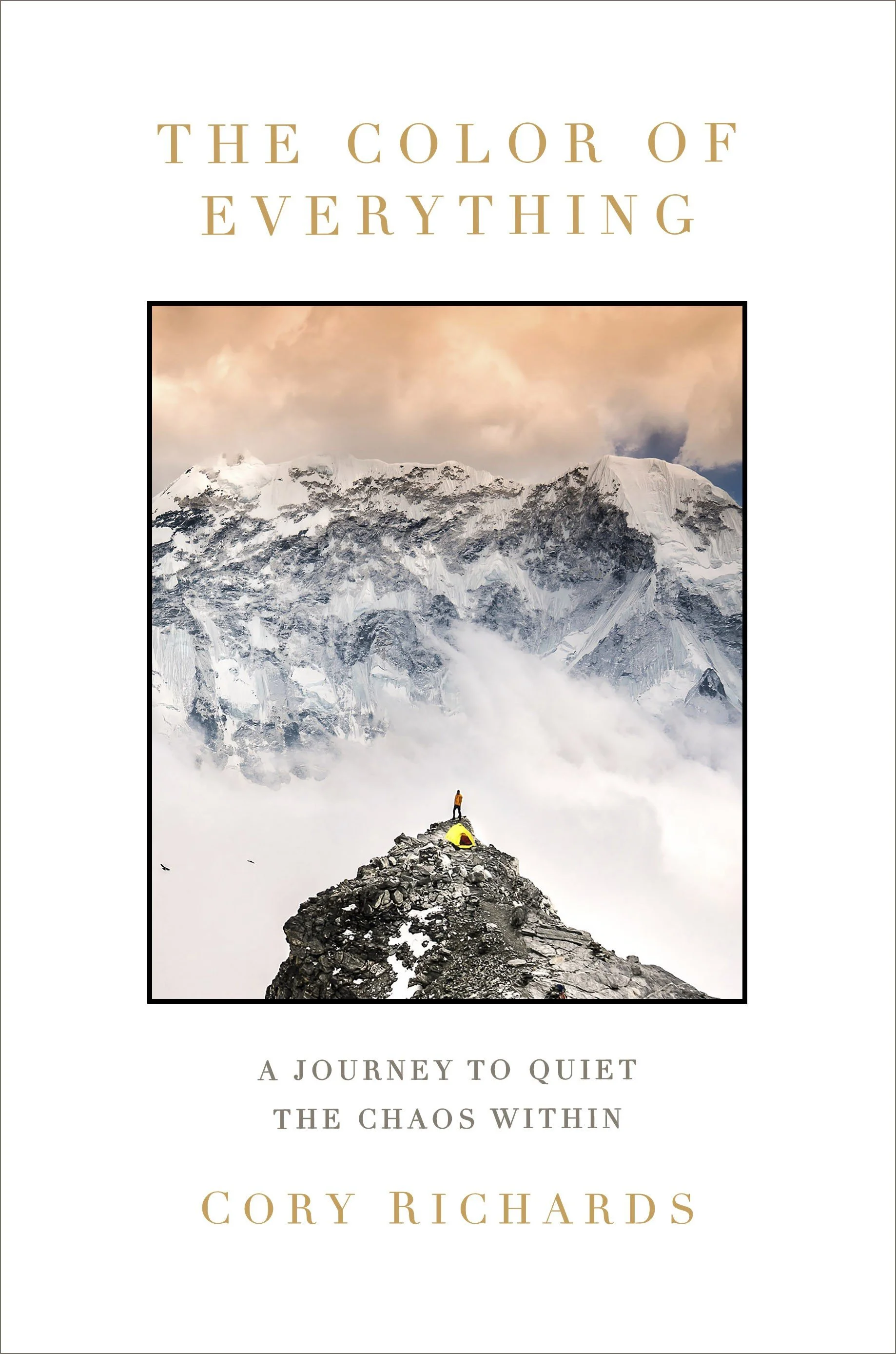
Click Book Cover to Order
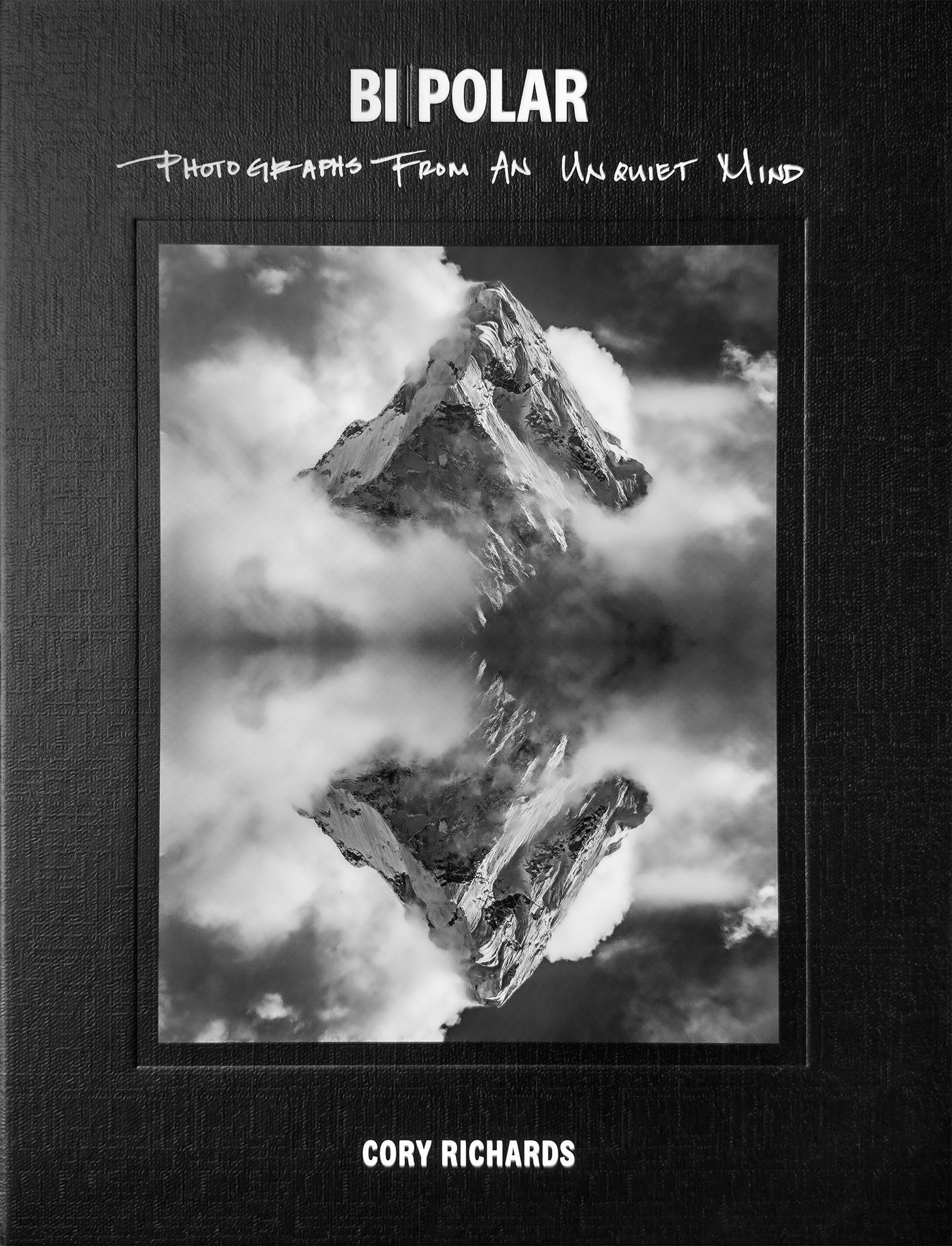
Click Book Cover to Order
Video © Cory Richards
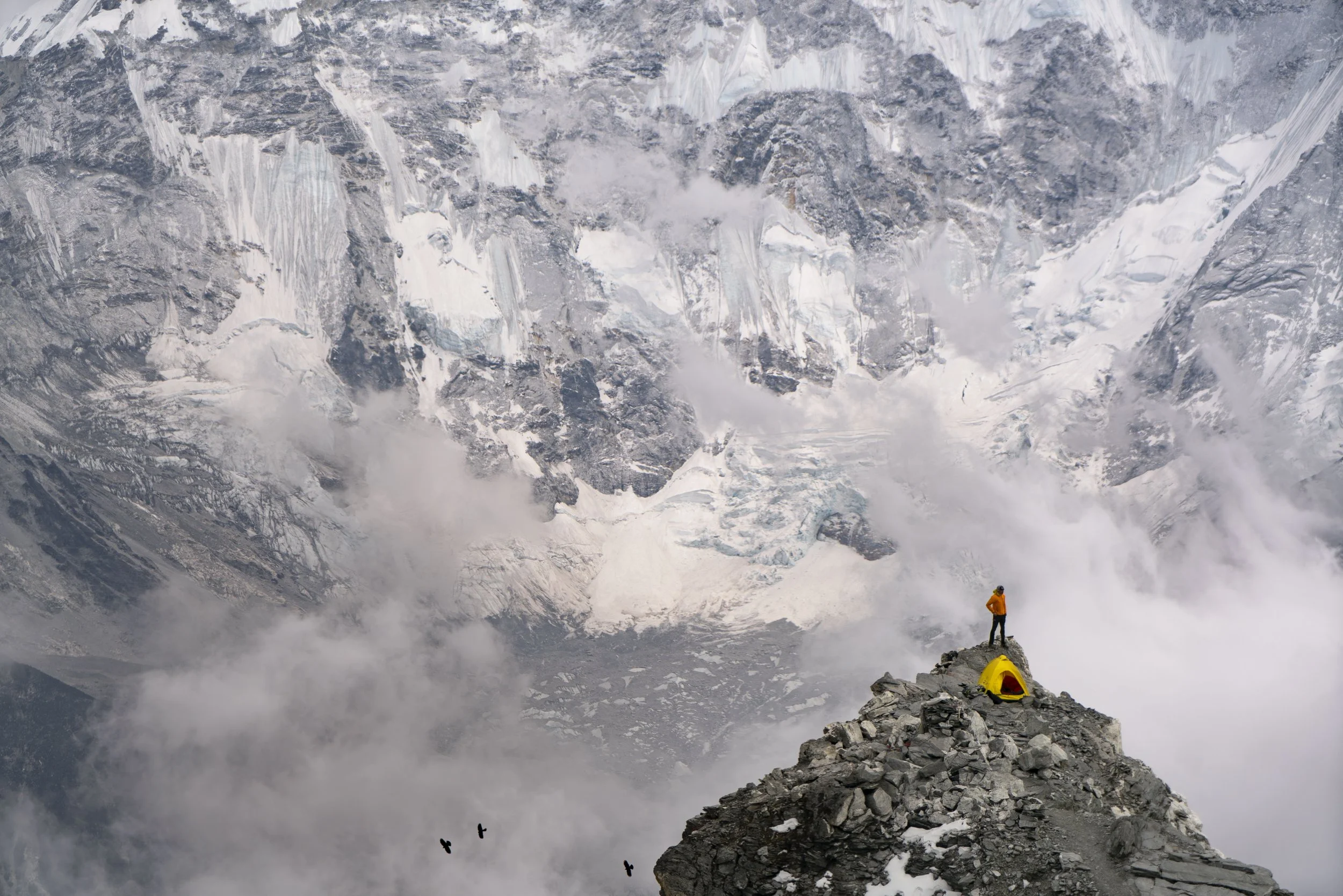
Photo © Cory Richards
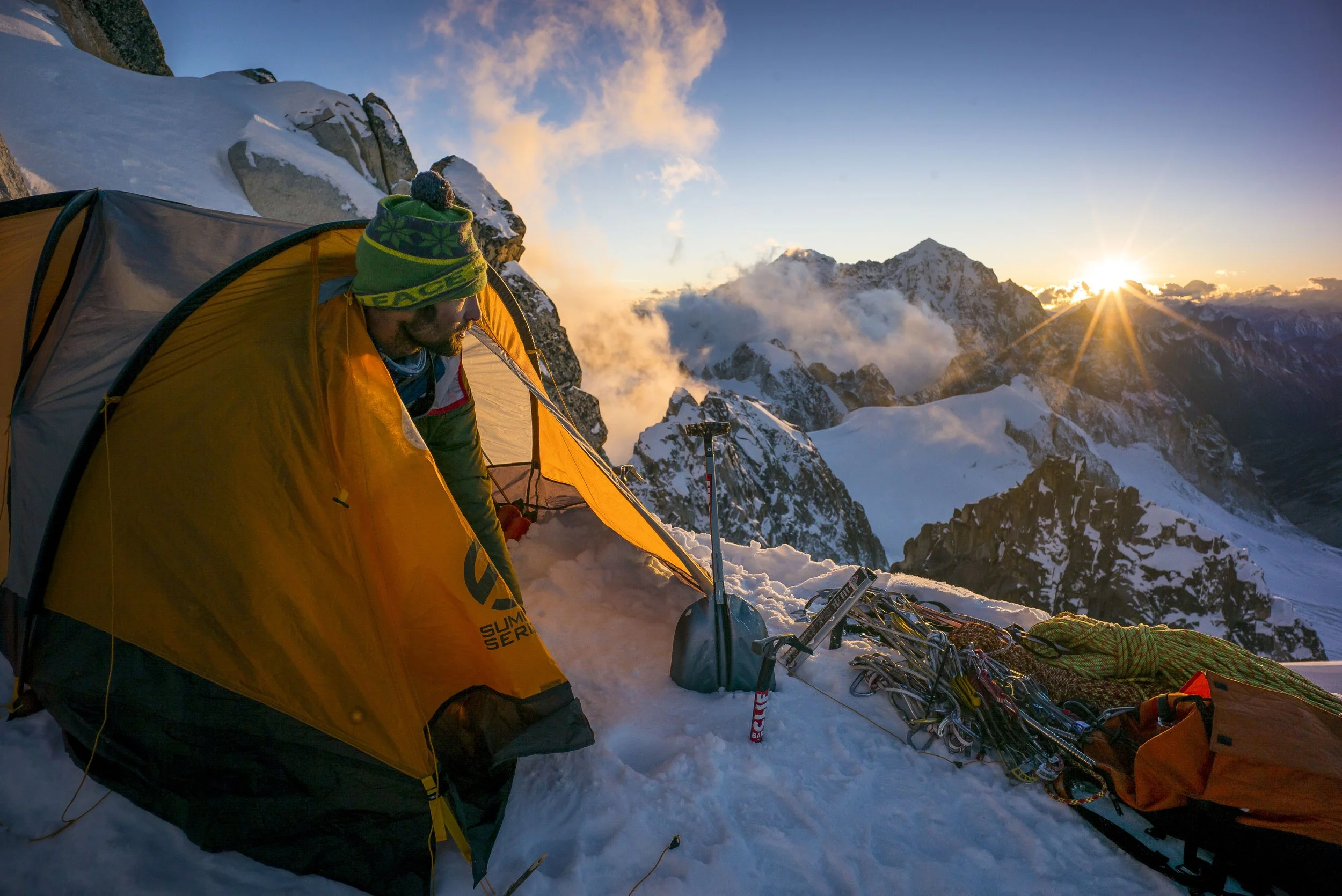
Photo © Cory Richards
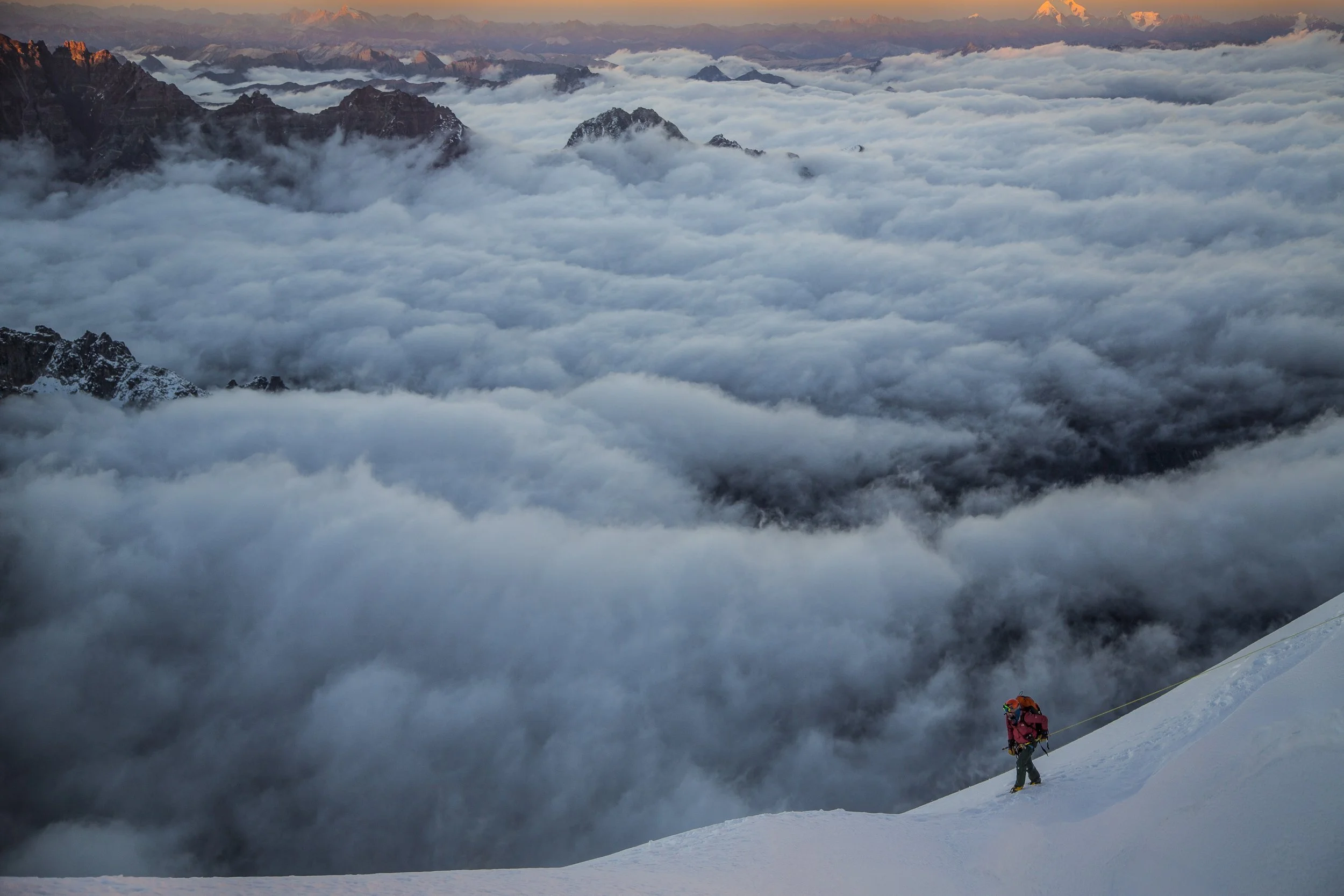
Photo © Cory Richards
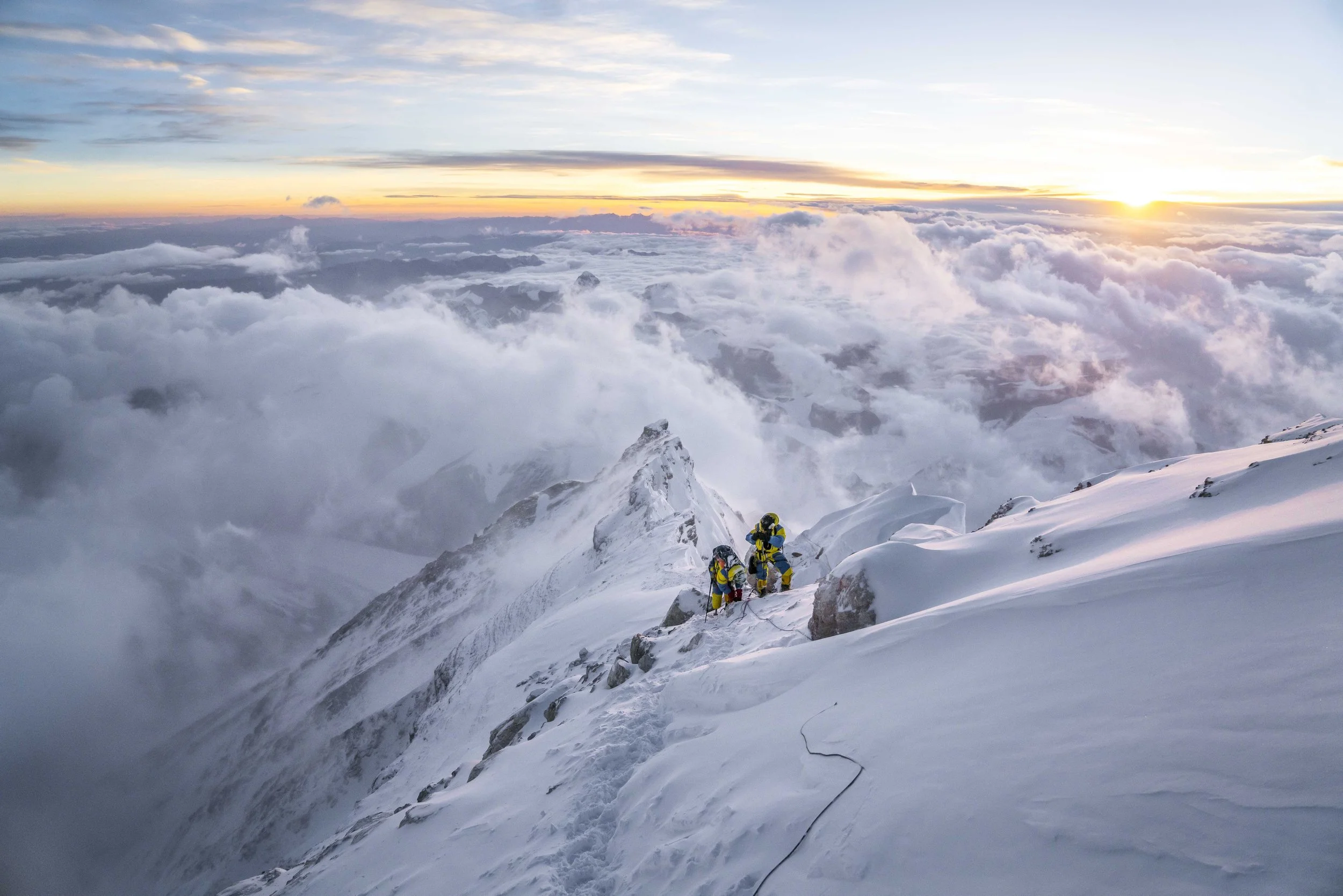
Photo © Cory Richards
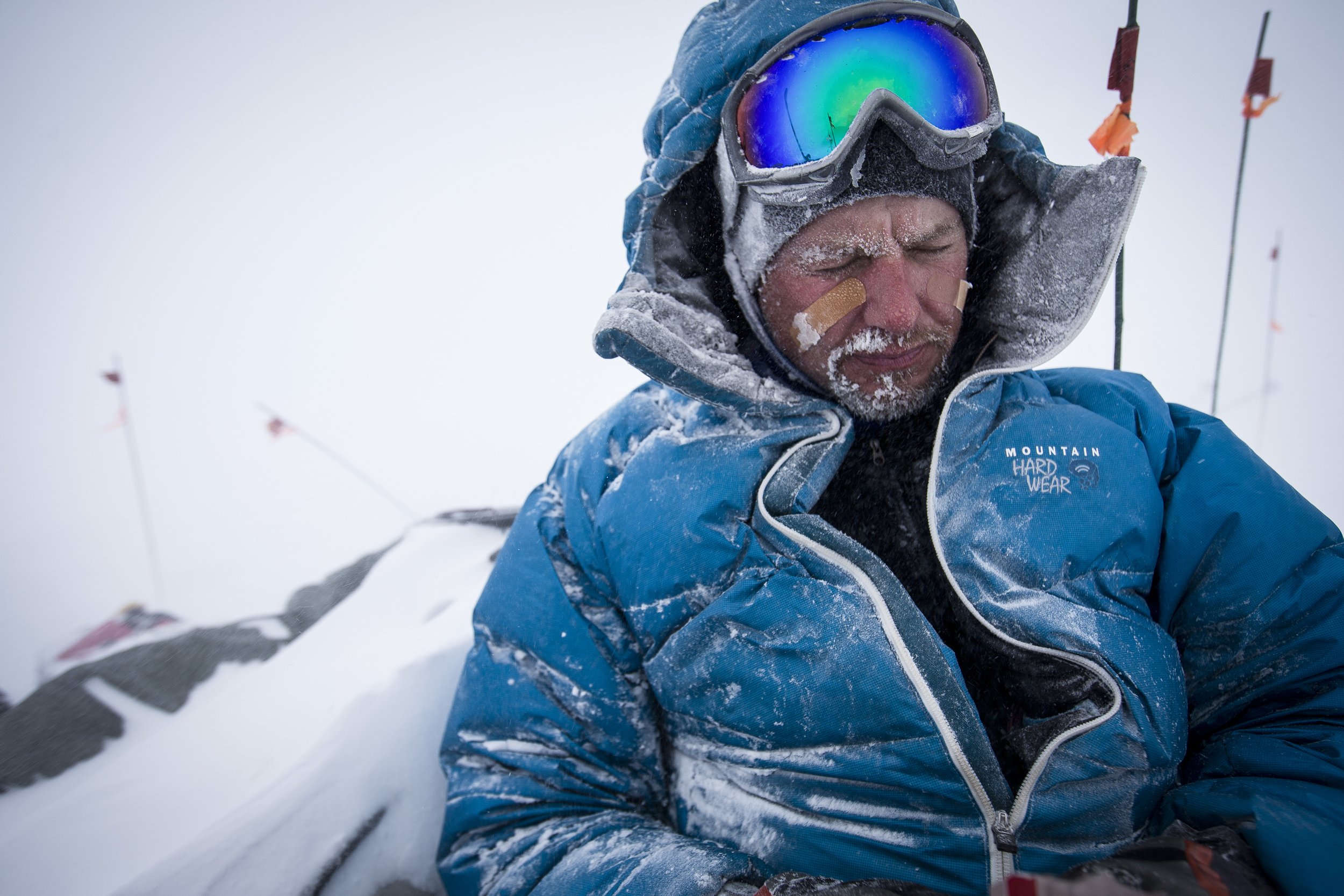
Photo © Cory Richards
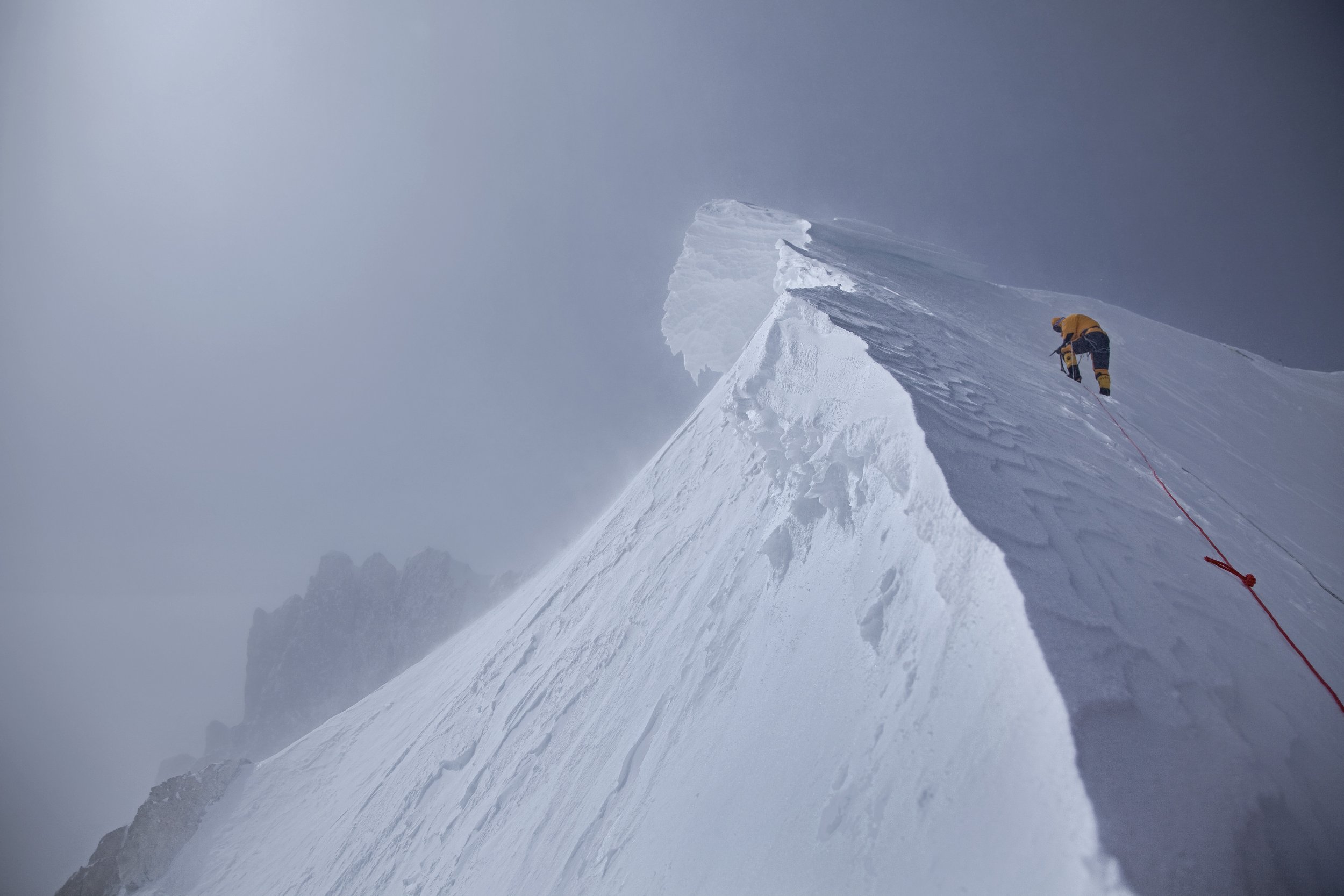
Photo © Cory Richards
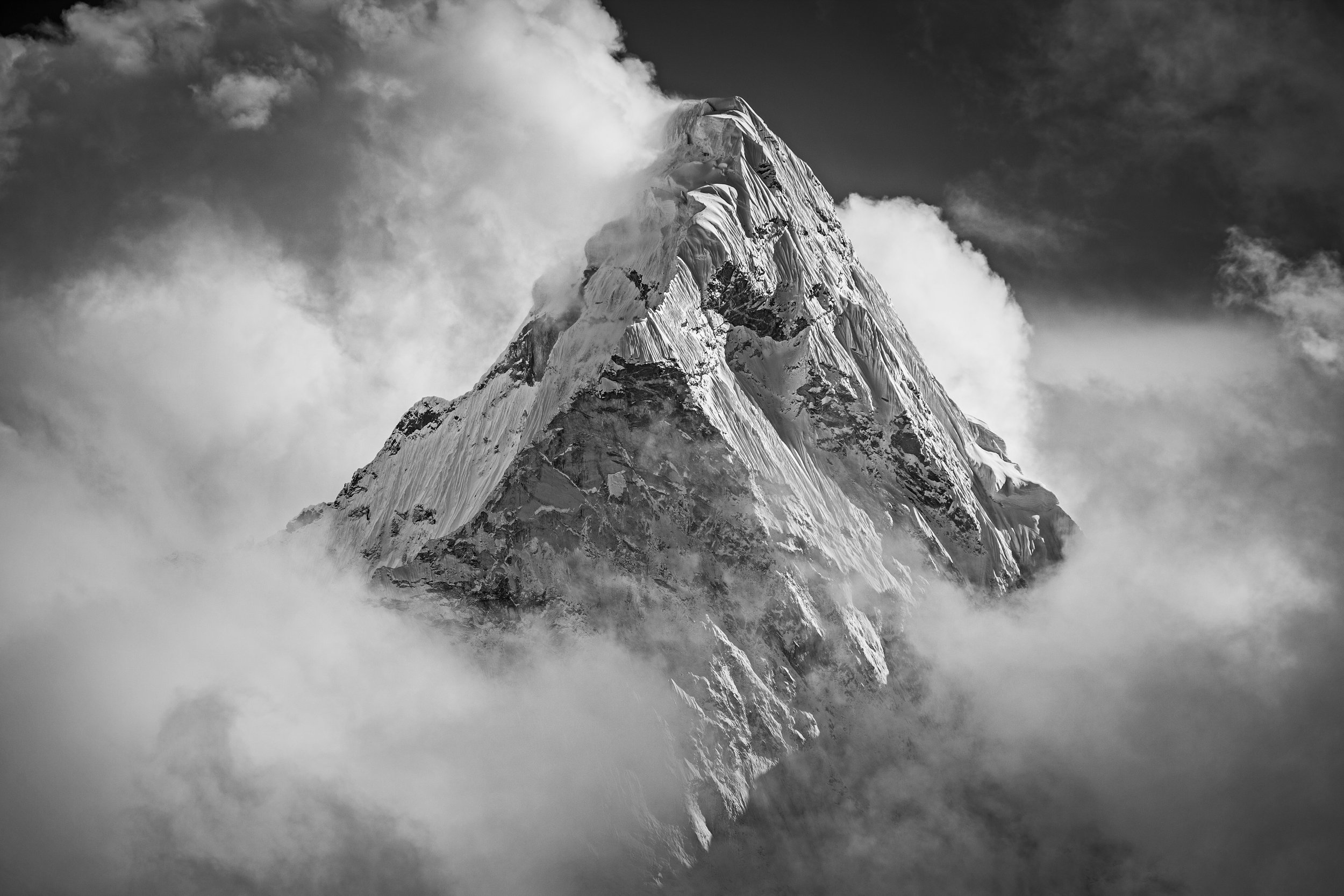
Photo © Cory Richards
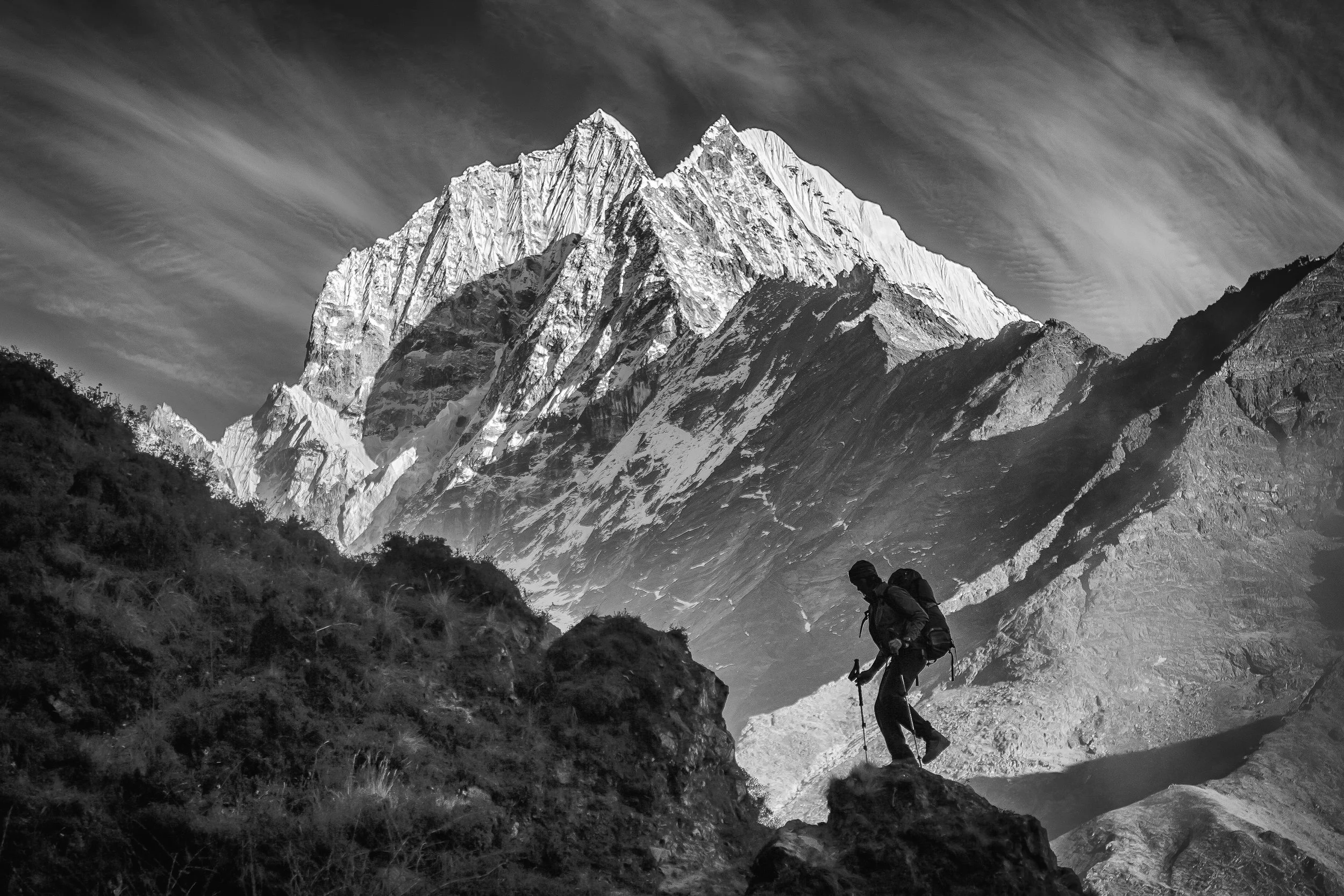
Photo © Cory Richards
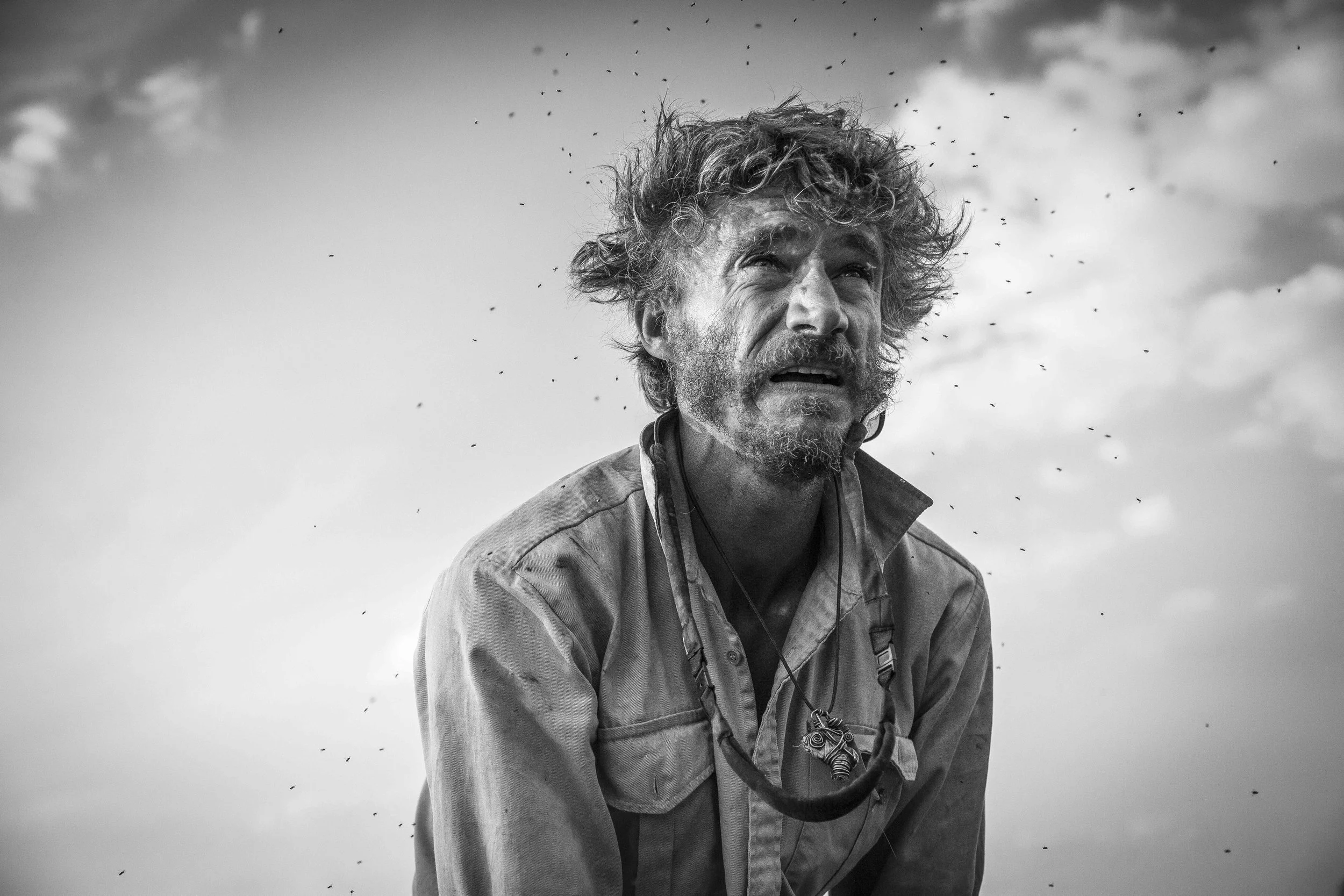
Photo © Cory Richards
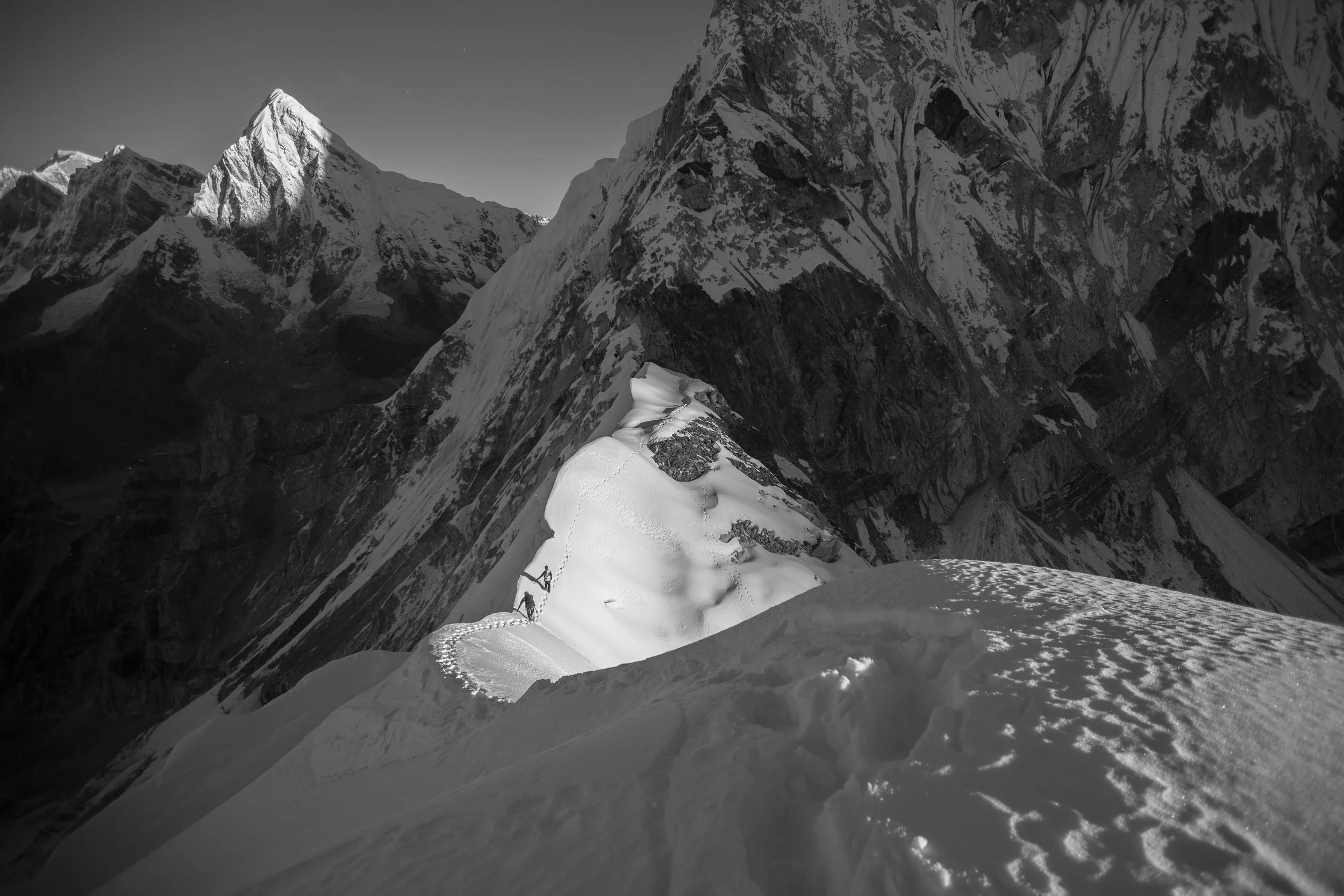
Photo © Cory Richards
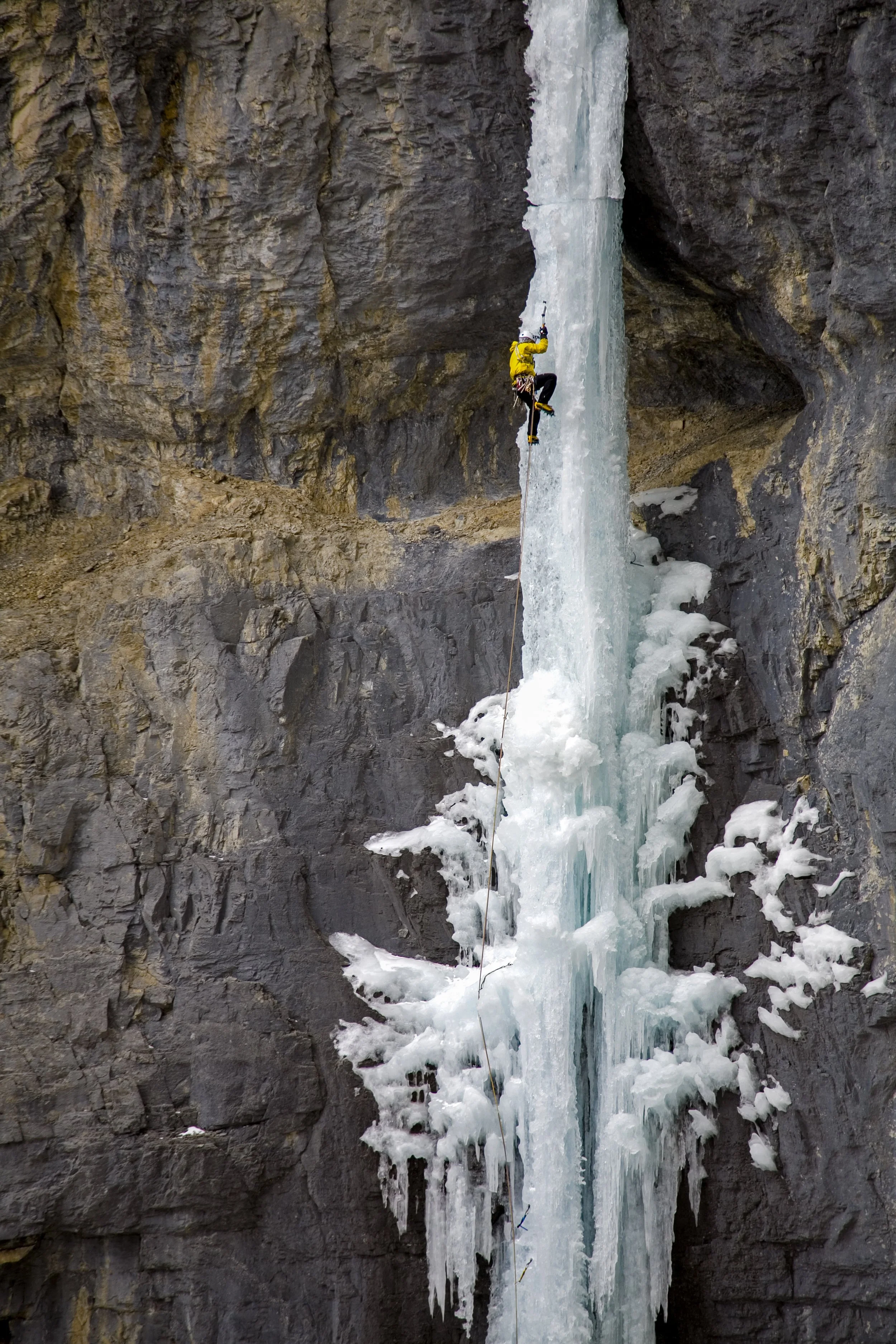
Photo © Cory Richards
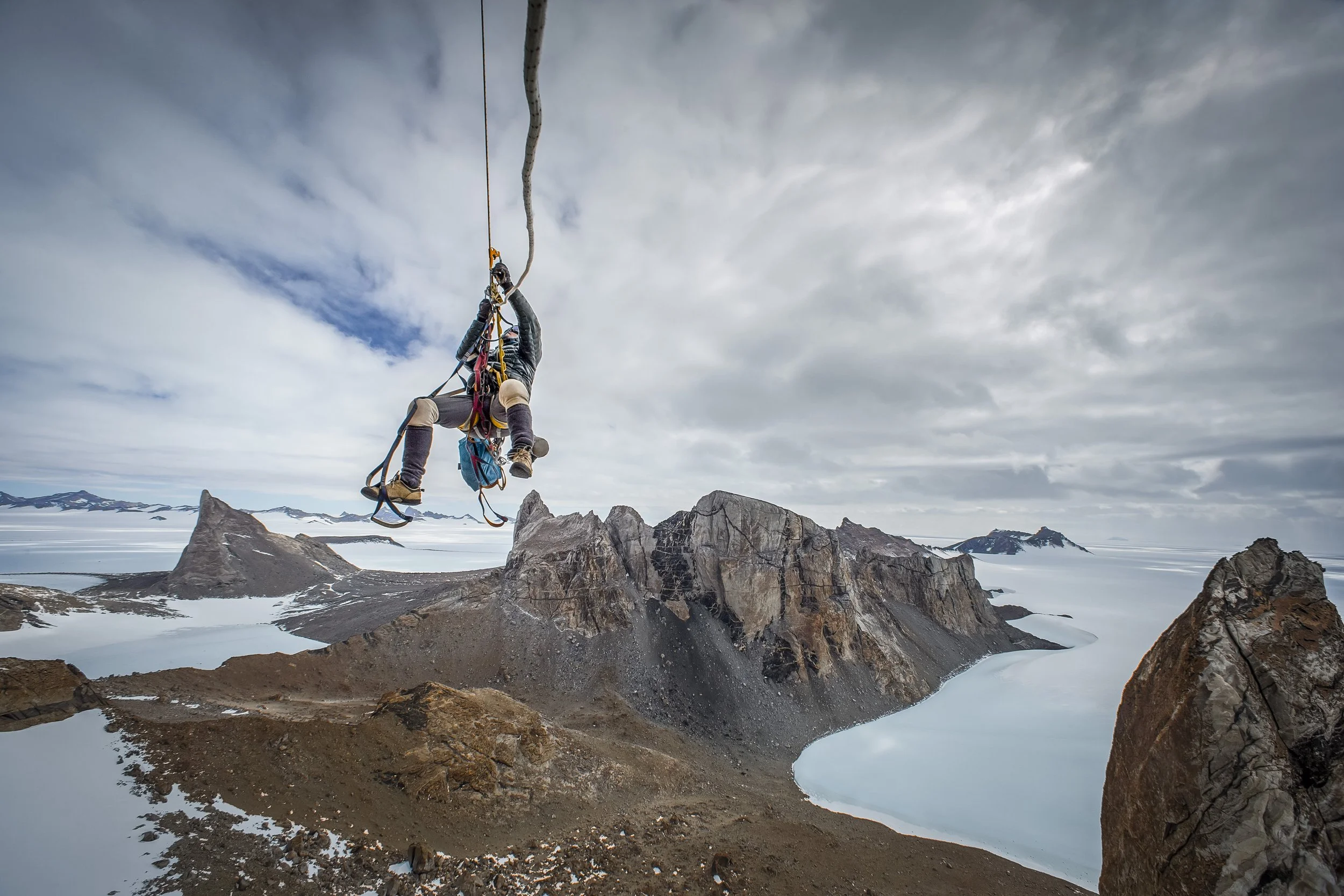
Photo © Cory Richards
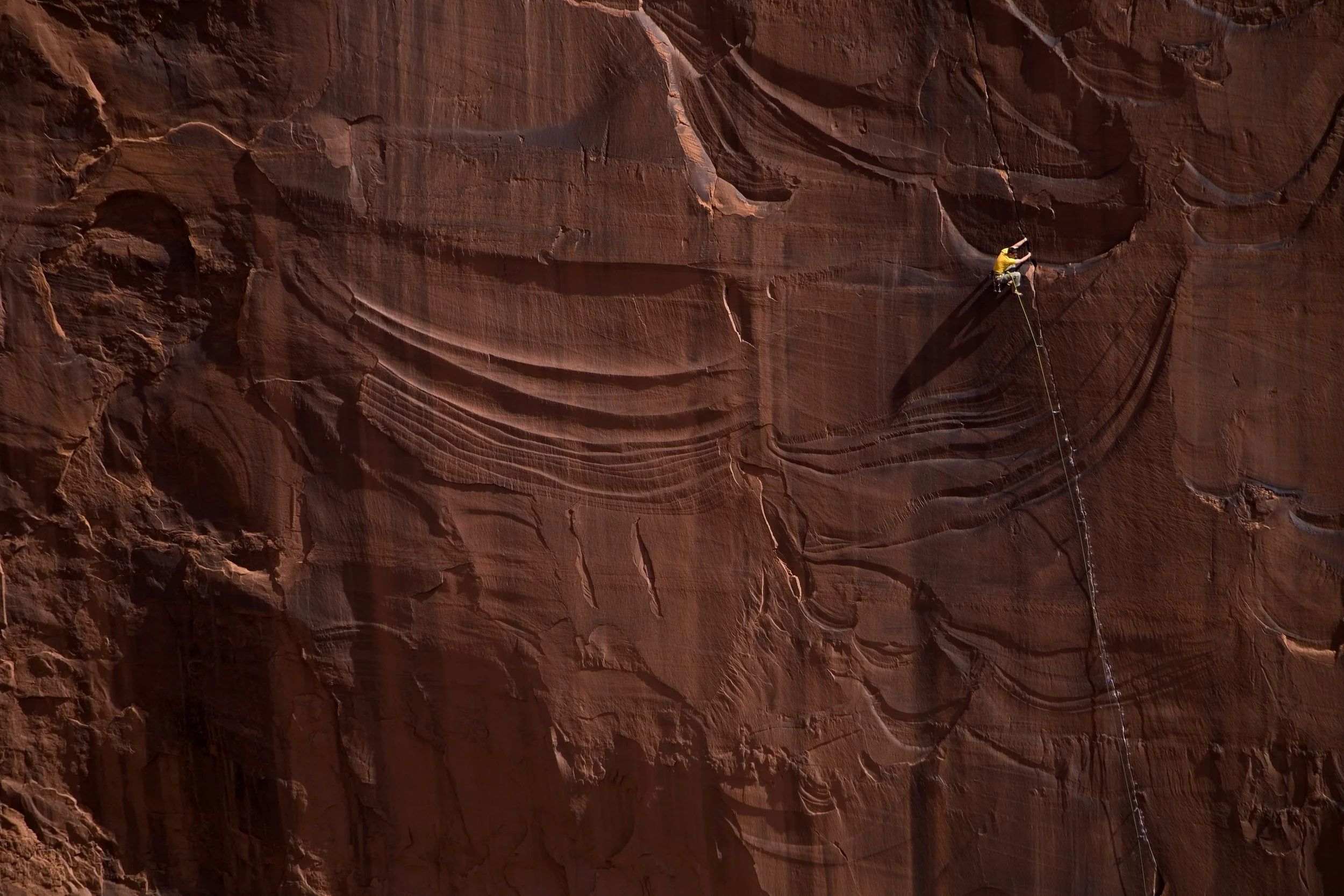
Photo © Cory Richards
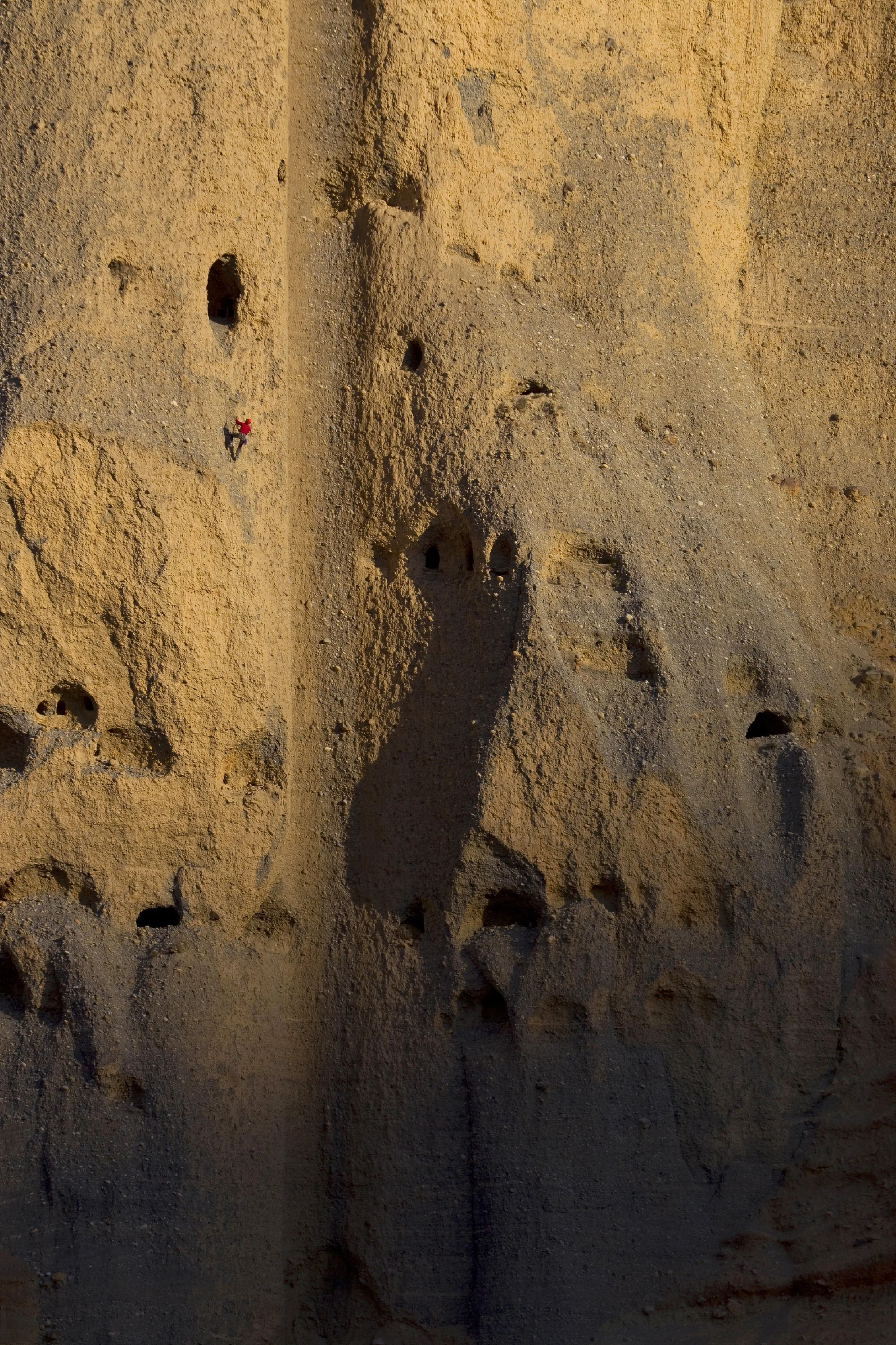
Photo © Cory Richards
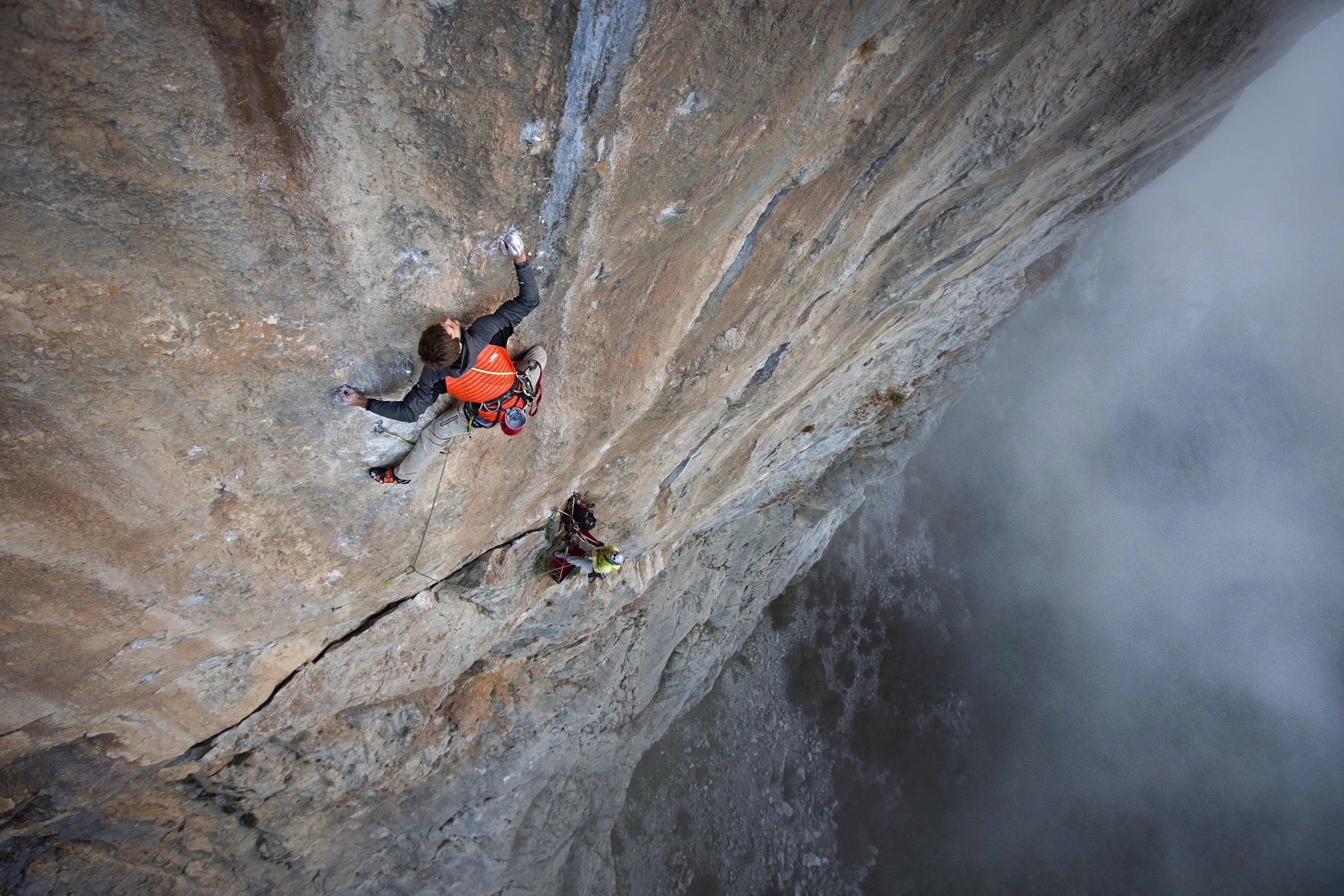
Photo © Cory Richards
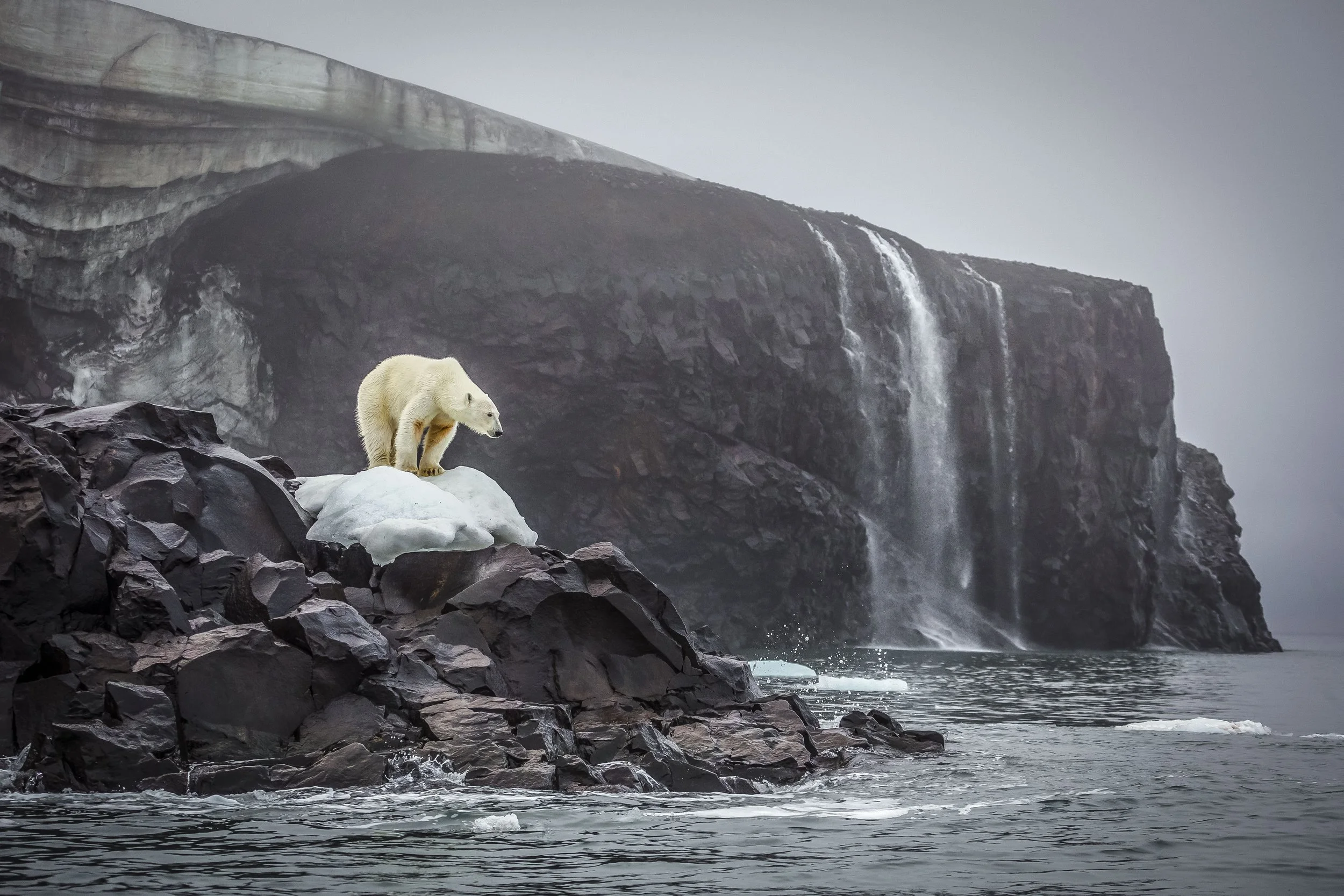
Photo © Cory Richards
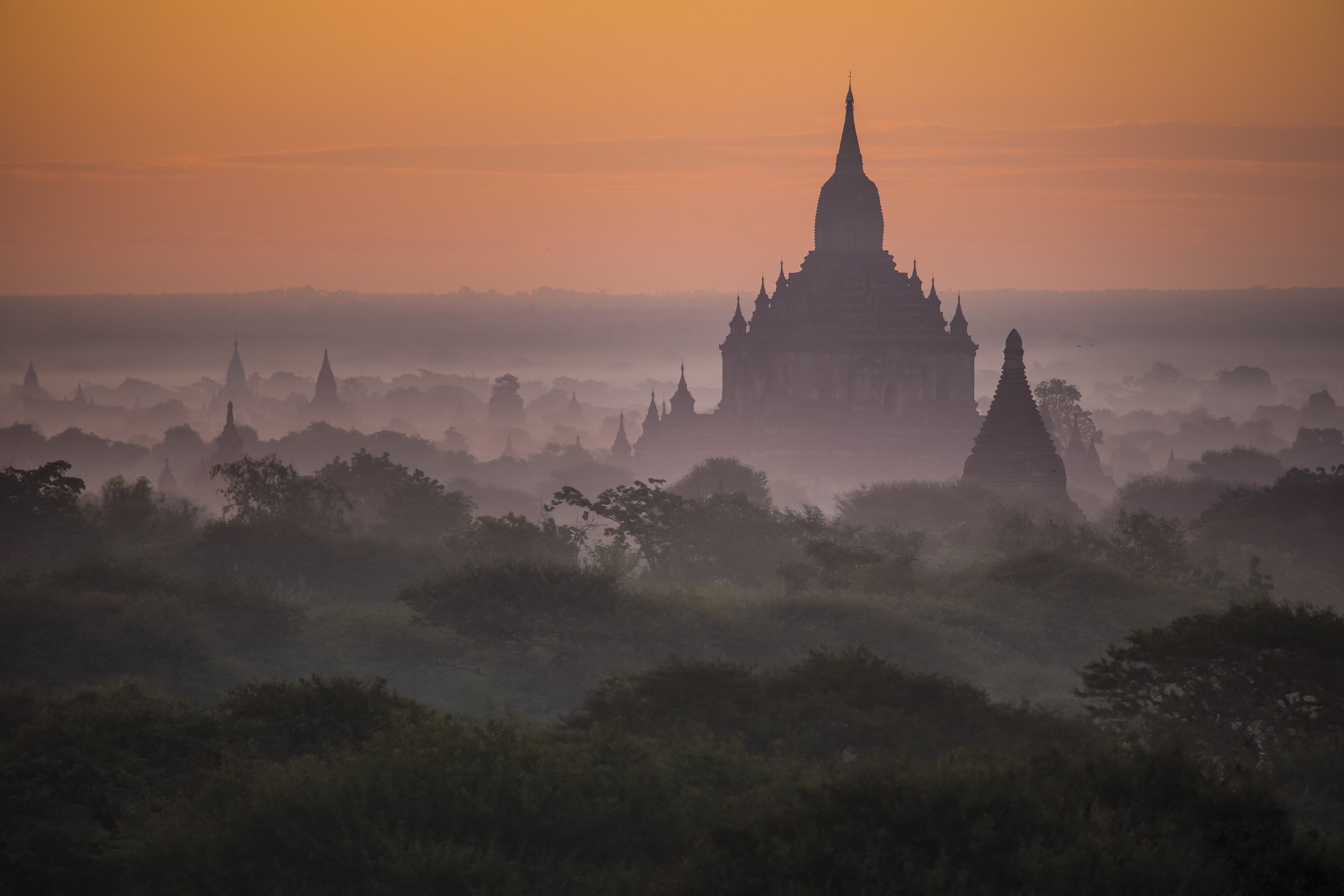
Photo © Cory Richards
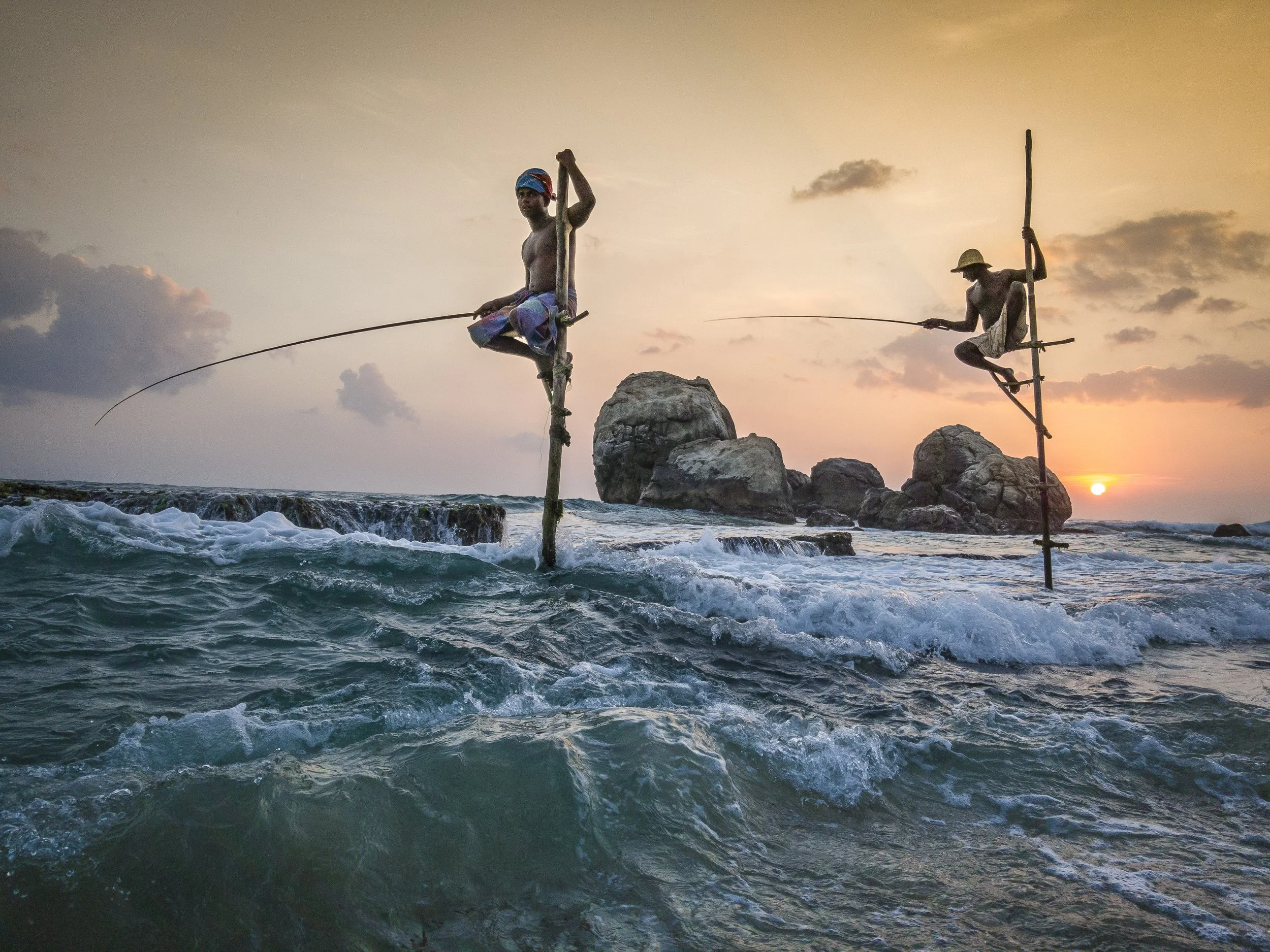
Photo © Cory Richards
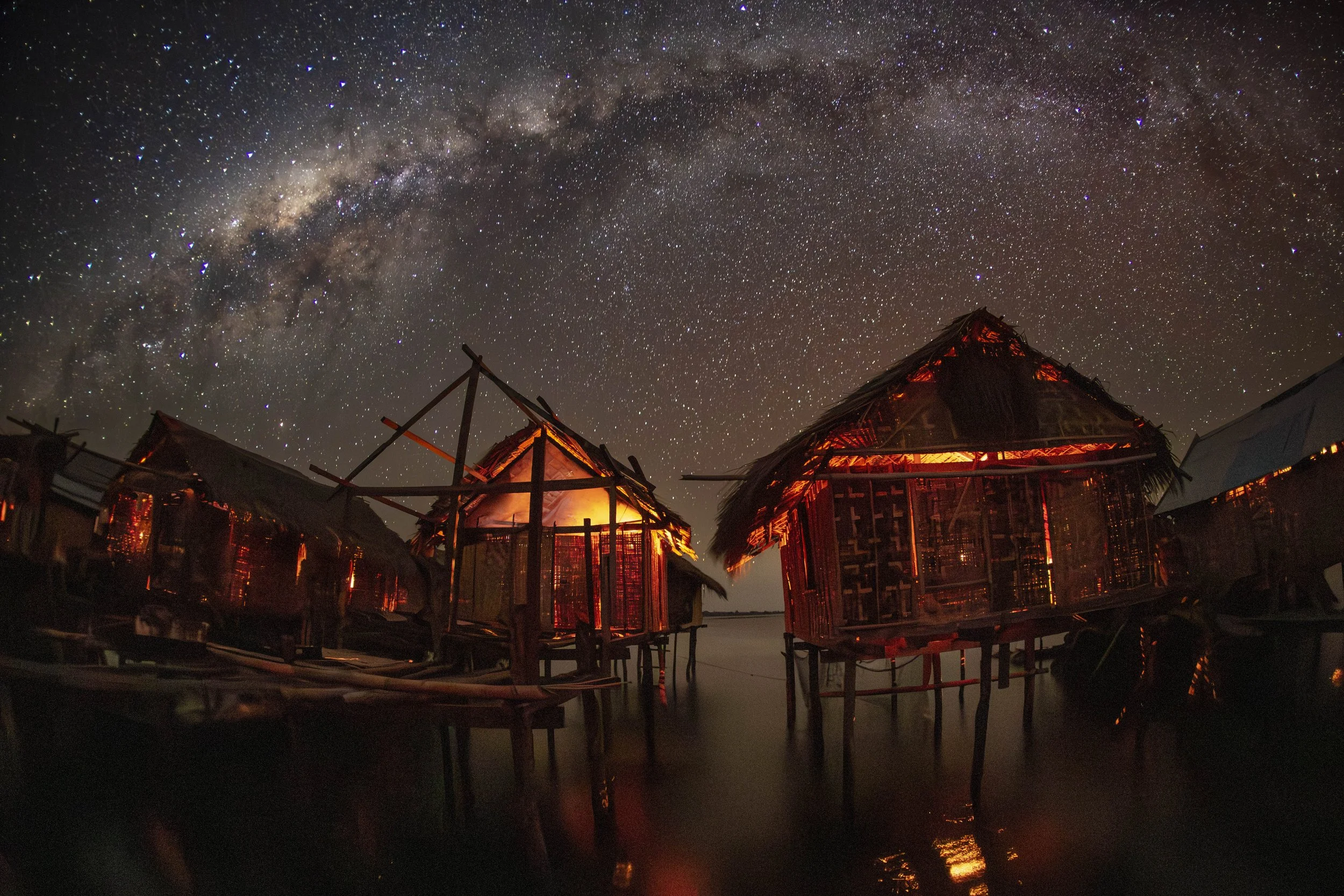
Photo © Cory Richards
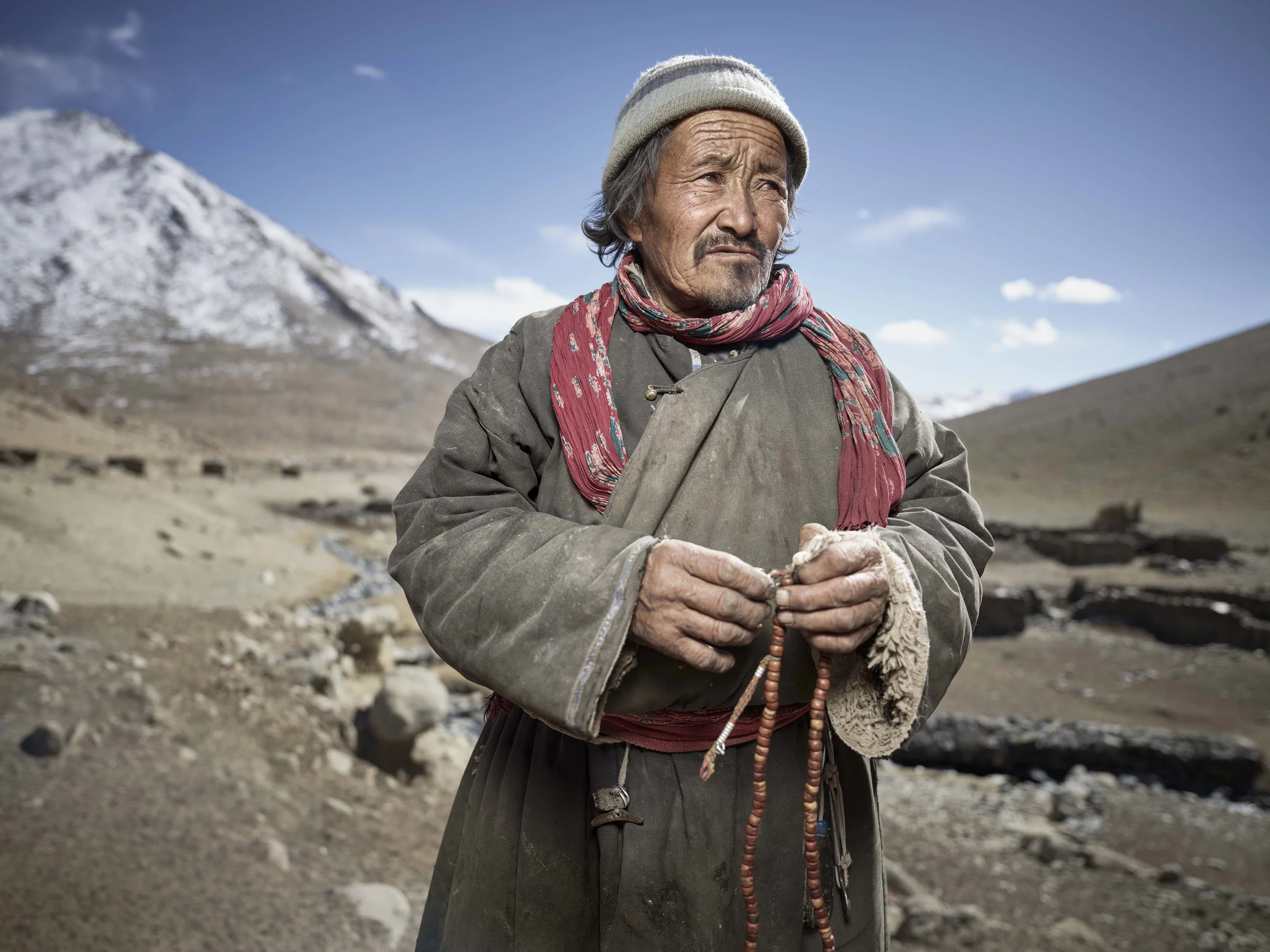
Photo © Cory Richards
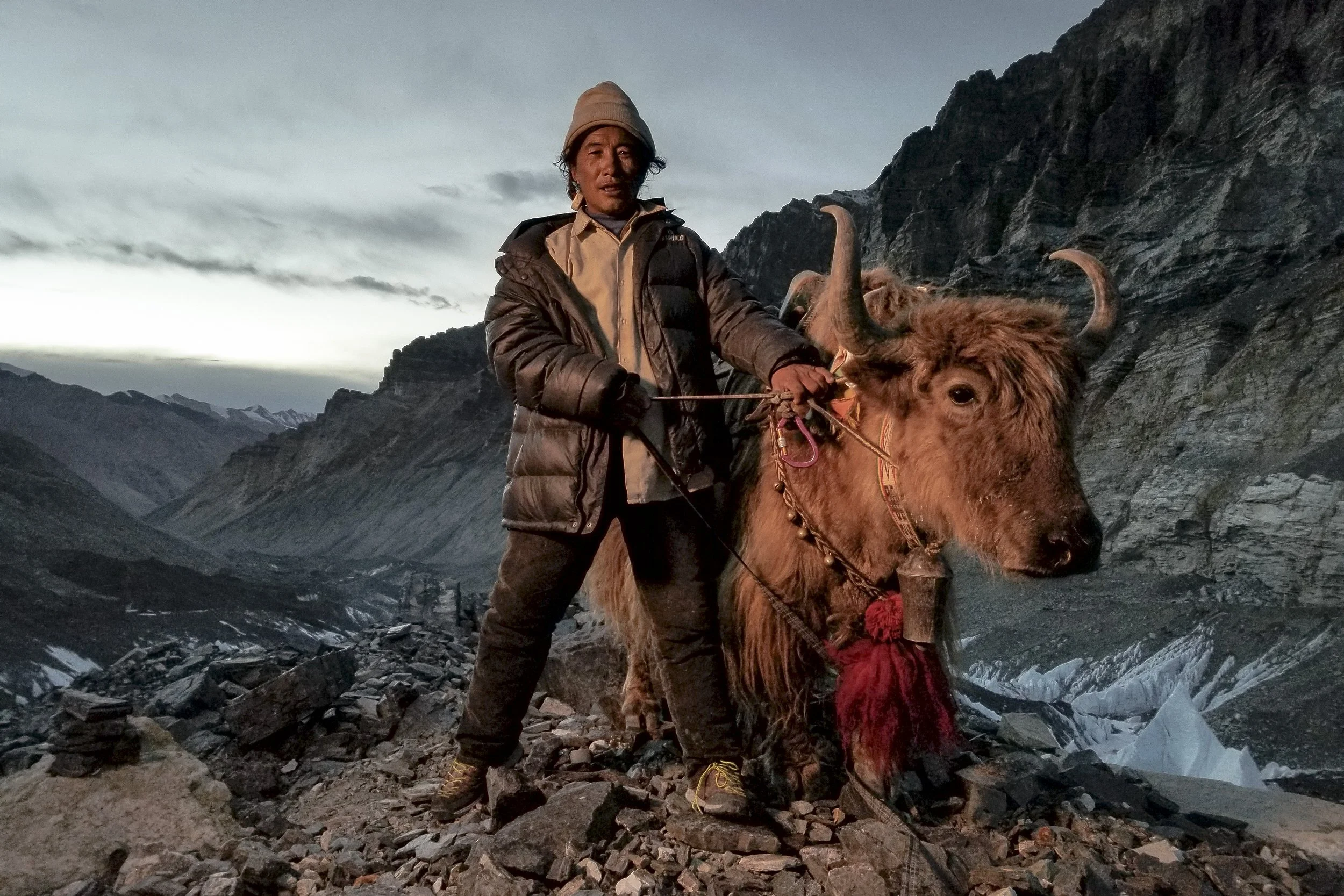
Photo © Cory Richards
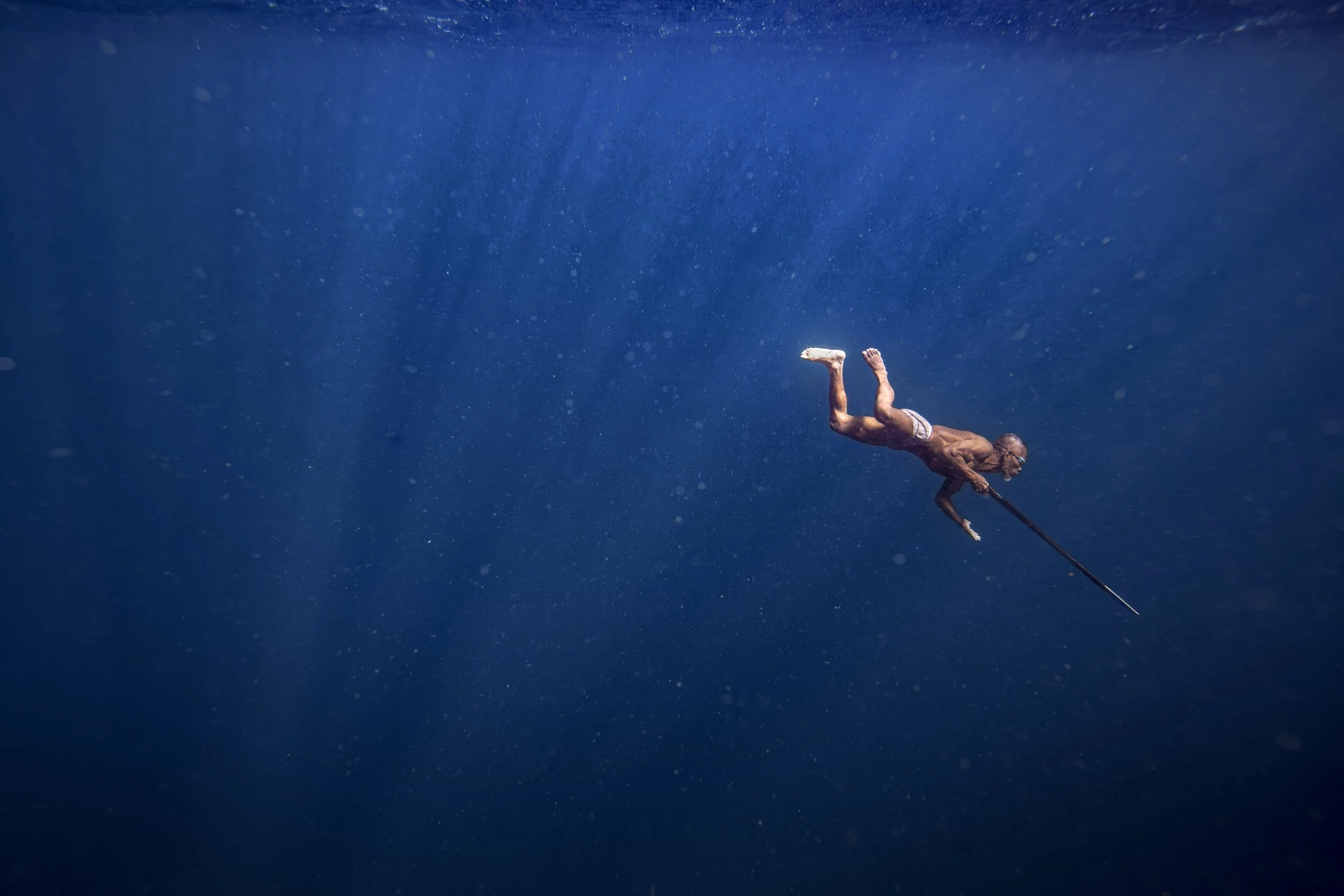
Photo © Cory Richards
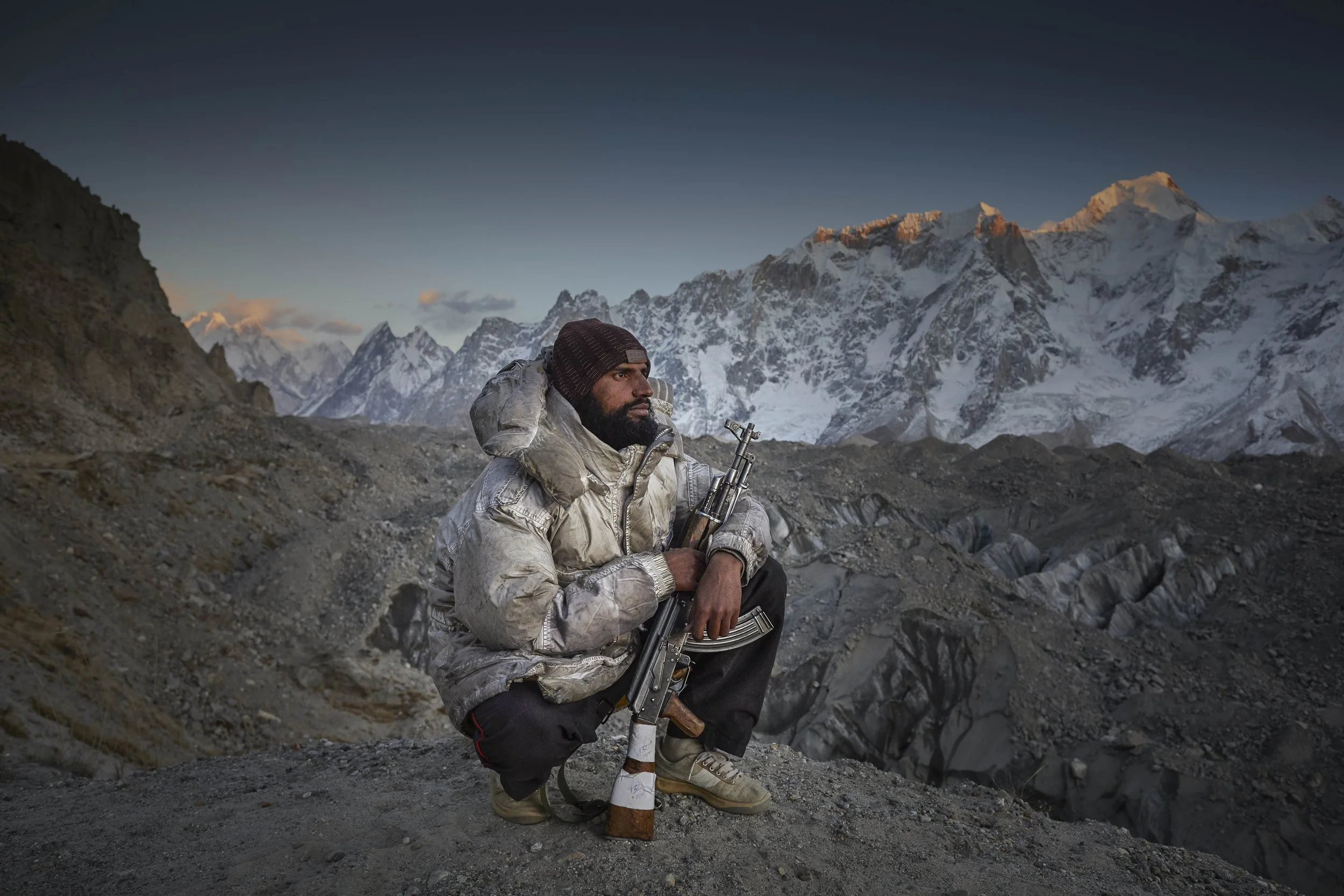
Photo © Cory Richards