
W O R L D T R A V E L E R M A G A Z I N E
Inaugural Issue | July 2026
The House of Rivets
From Dubai to Paris, Julien Trossat creates trunks that transcend travel,
transforming heritage craft into bespoke objects where ritual, permanence, and personal meaning converge.
By Kevin Bechard
The object arrives before the explanation. A trunk, yes, but not as memory recalls it. Its proportions are subtly recalibrated, its surface uninterrupted by overt branding, possessing a quiet, architectural authority that resists immediate interpretation. The leather absorbs light rather than reflecting it, while the edges resolve with a precision that feels closer to engineered structure than ornament. It does not announce itself, nor does it ask to be understood. It reveals itself slowly through the discipline of a line, the balance of a shadow, and the exactitude of its construction, until recognition gives way to something else entirely: not nostalgia, but recalibration. What appears at first as an artifact of another era proves, on closer inspection, to belong fully to this one, an object that does not declare its place in time, but quietly redefines it.
The Dubai Gamble: A Test of Conviction
The origins of T.T.TRUNKS were as bold and unorthodox as the architectural clarity of the products themselves. In October 2008, without a formal company or “official papers,” Julien Trossat took his personal savings to a craftsman with a singular vision. He did not seek validation through the traditional pathways of Parisian luxury, nor did he wait for institutional approval. Instead, he went to Dubai, deliberately placing distance between himself and failure, treating geography itself as a test of both product and conviction. “I saw that if it is good, it is good,” Trossat recalls. “If it is not good and people do not accept my product, it is so far away from my home that nobody will care about this.”
The reception in the Gulf was immediate and electric, not because the object was familiar, but because it was not. It confirmed that there was space, perhaps even a need, in the luxury landscape for a new interpretation of the trunk, one that acknowledges the lineage of iconic houses like Louis Vuitton or Goyard, yet refuses to be constrained by their historical frameworks. By early 2009, the company was established, and by 2010, the manufacturer in Elche followed, grounding vision in infrastructure.
The Creative Friction: The “Yes” and the “No”
Every T.T.TRUNKS piece is born not from harmony, but from tension. It is an intentional and sustained dialogue between opposing forces, a negotiation between vision and execution. Trossat describes the process as a constant exchange between himself and his brother, who oversees the technical realities of the workshop. Trossat is the “Yes,” pushing toward forms and functions that do not yet exist, while his brother is the “No,” grounding those ideas in structure, material behavior, and time. “I am the guy who says yes, and my brother is the guy who says no,” Trossat explains.
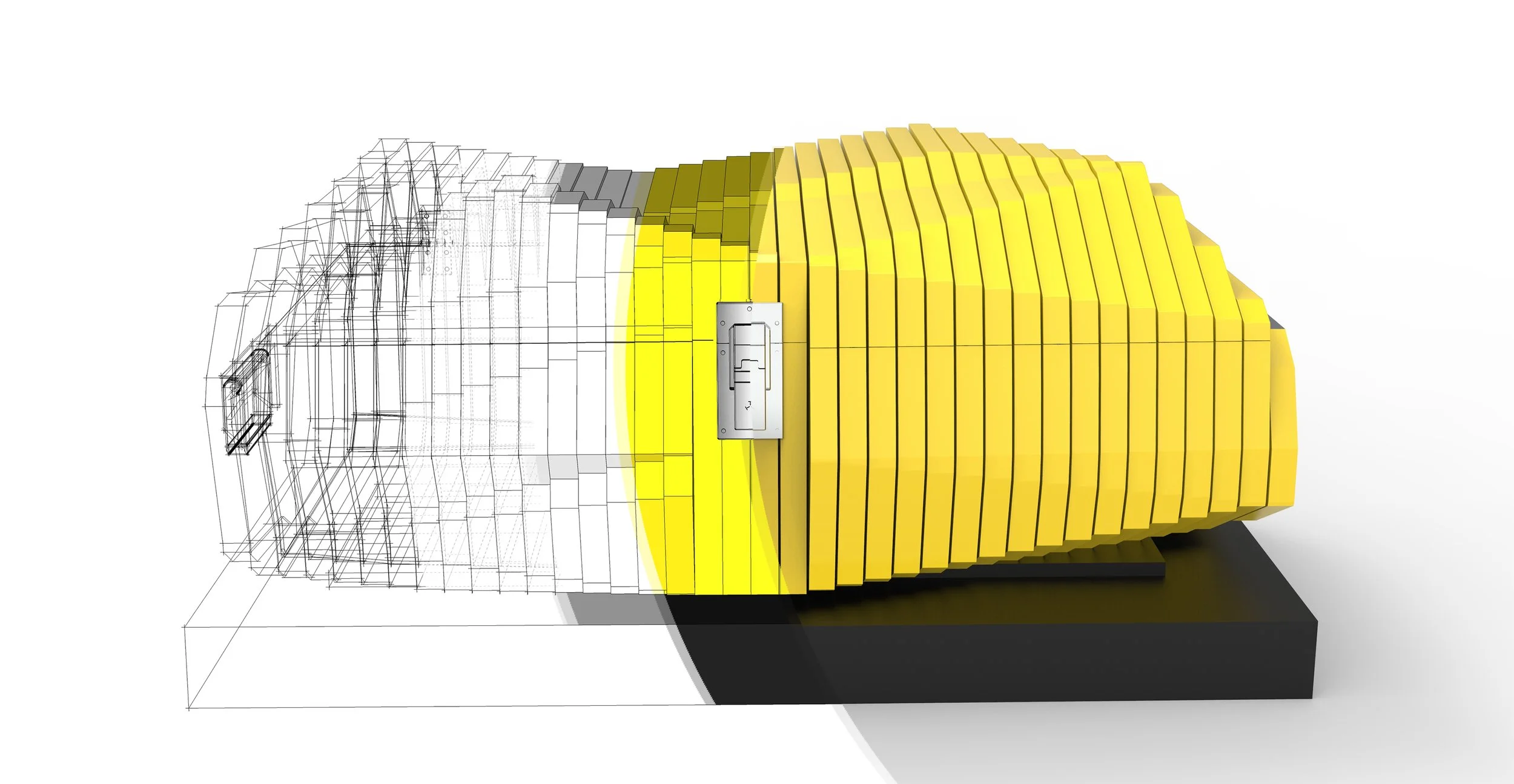
This friction is not a constraint but a refining force. It ensures that what emerges is neither purely conceptual nor purely functional, but something resolved, an object capable of withstanding both scrutiny and use. Between the “yes” and the “no,” the trunk is distilled until it reaches what Trossat describes as an “identity of absence,” a presence defined not by what is added, but by what is withheld. That restraint aligns with a deeper philosophy: good design is not an accumulation, but a reduction. The object must be useful, understandable, and honest. It must justify its existence not through decoration, but through purpose, removing what is unnecessary until only the essential remains.
“Our identity is not made about our logo,” he says. “When you are just closing your eyes just enough to see something, you can find the identity of T.T.TRUNKS. Just a shape, ratios of the volumes, colors, and some small details that say, ‘Oh, it is a T.T.TRUNKS.’ That is my job.” The result is recognition without reliance, a form of authorship that resists obvious signatures in favor of enduring coherence.
The Liturgy of the Rivet
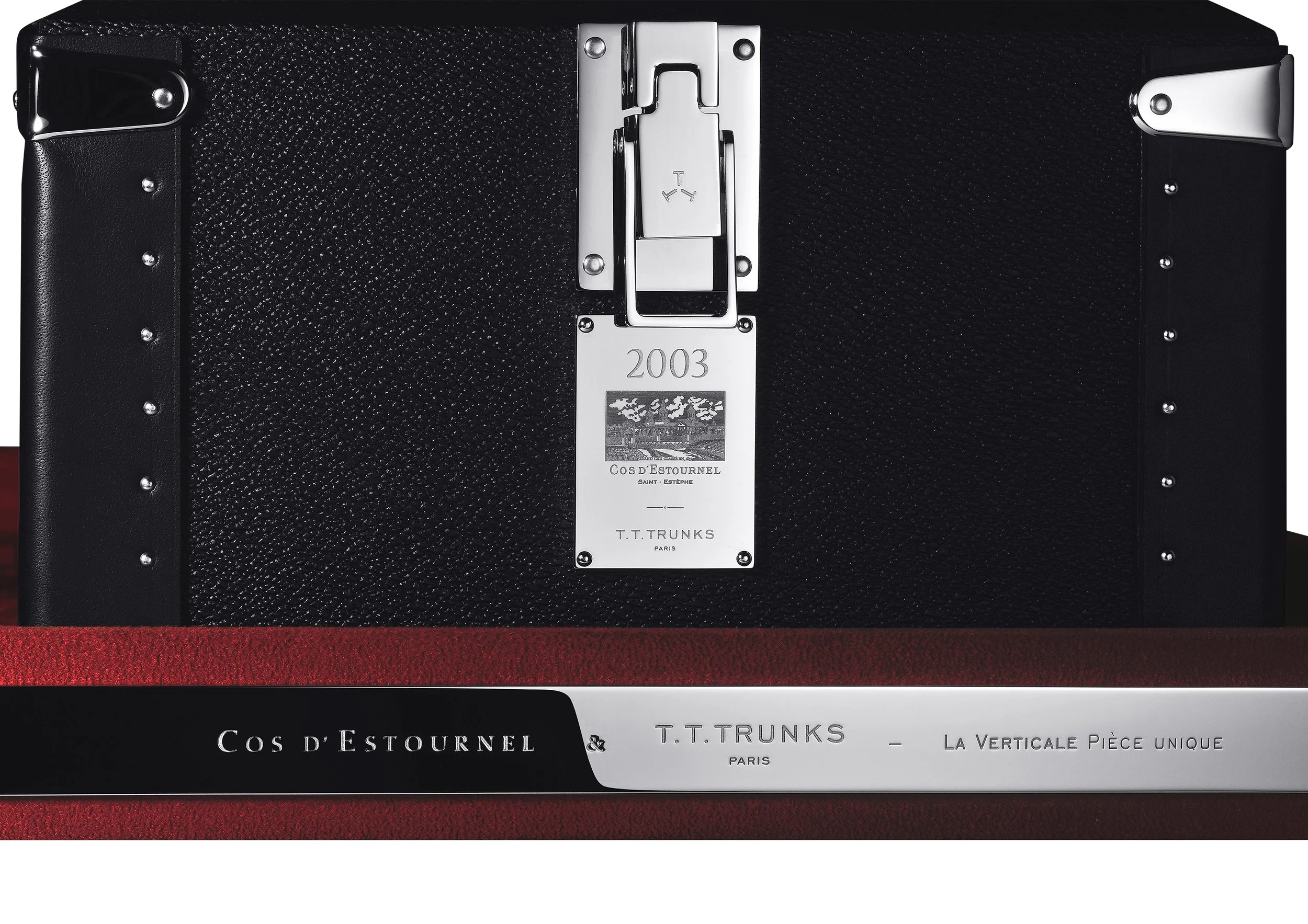
Inside the manufacture in Elche, the historic center of Spanish leatherwork near Alicante, the pursuit of precision becomes almost ritualistic. The brand’s identity is anchored in a signature 12-millimeter spacing for its studs, a measurement established not through calculation alone, but through visual equilibrium. It is a proportion that feels correct before it is understood. A single large trunk can feature more than 1,000 rivets, each placed by hand with a level of consistency that borders on the obsessive.
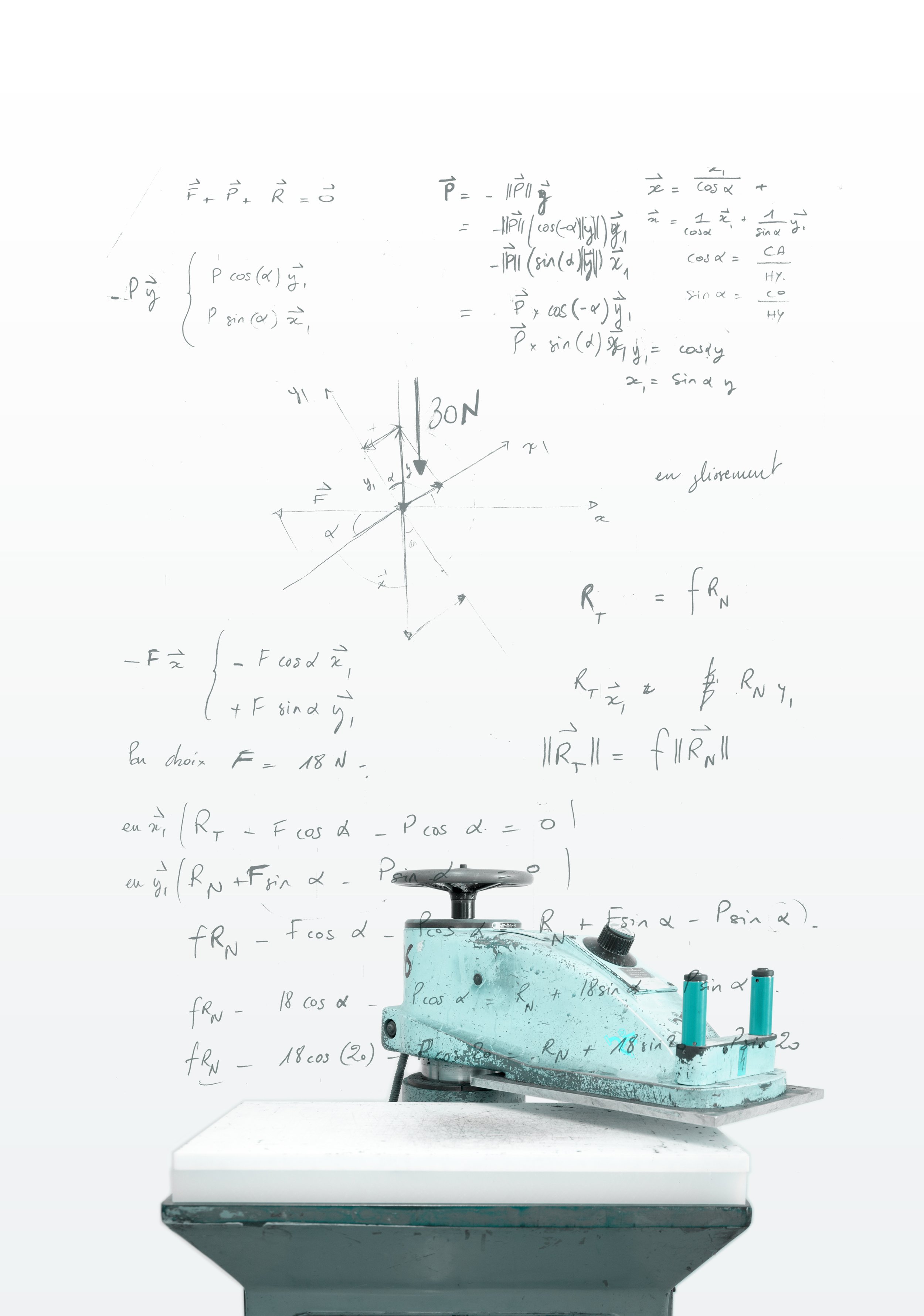
Despite his engineering background, Trossat discovered that automation lacks the sensitivity required for this level of execution. “If you have a machine, the machine is not able to feel if the wood is a little bit more soft or more hard,” he explains. “Even the force that you put into your nail have an impact of the structure.” The artisan, by contrast, adjusts instinctively, calibrating pressure in real time, responding to material resistance, ensuring that each rivet sits not just correctly, but precisely within the logic of the whole.
This is not incidental labor. It is the foundation of the object’s value. Nearly eighty-five percent of the cost of a trunk is human, not material, with time, attention, and repetition defining the work far more than leather or hardware. That attention extends beyond the object to the people who make it. Trossat avoids hiring specialists shaped by other legacy houses, choosing instead to cultivate talent internally. “We are creating specialists that like their jobs,” he says. The workshop operates less as a factory and more as a shared environment of lived experience, where personal milestones are collective and time together is part of the culture. Friday evenings at the beach, shared rituals, and continuity of presence subtly inform the work itself, embedding human rhythm into the object.
The Paris Gauntlet: A Masterclass in Resilience
Trossat’s trajectory was not defined by uninterrupted ascent, but by a sequence of disruptions that tested both the business and the individual behind it. He opened his first shop in Paris in November 2015, just one week before the terrorist attacks that emptied the city. “Paris was empty for around one year,” Trossat recalls, describing a landscape suddenly stripped of its international rhythm.
As the city began to recover, the “Yellow Jacket” protests followed, placing his boutique near the Élysée directly within the zone of unrest. For eighteen months, Saturdays became a ritual of preparation and protection. “Every Saturday evening, I need to put all the stuff from the floor to the first floor and to hide all the big objects,” he says, describing the physical reality of moving 150-kilogram trunks week after week. What followed was a three-month national strike, ending only weeks before the global COVID-19 pandemic. The accumulation of these events might suggest instability, yet Trossat frames them differently. “I act with wars. I act with strikes. I act with everything. That is life.”
Rather than diminishing the brand, these conditions clarified it. They prompted a shift toward bespoke work, toward objects embedded more deeply in the private rituals of collectors rather than the volatility of public retail, reinforcing the idea that the trunk’s true value lies not in exposure, but in experience.
Architecture for the Soul: The Blue Minute
Trossat approaches his work not as product design, but as “architecture for collecting,” drawing references from the structural clarity of Chicago, the restraint of Mies van der Rohe, the spatial philosophy of Frank Lloyd Wright, and the contemplative rigor of Tadao Ando. He speaks of I.M. Pei’s glass pyramid at the Louvre not as controversy, but as precedent, a reminder that ideas ahead of their time must endure resistance before they are understood.
This thinking is distilled into what he calls the “Blue Minute,” that fleeting moment at sunrise when the world becomes still and perception sharpens. “One of the luxuries in a city like New York, for me, is silence,” he says. “If you keep the silence for one minute, something will happen.” It is not the absence of activity that defines the moment, but the presence of awareness.
His trunks are designed to create that same pause. In a culture defined by acceleration and anticipation, they insist on stillness. “Digital world is the future, it is not present,” he says. “When you look at Instagram, you are not in the present. You are in what you are expecting. You are already in the next step. My trunk is the right now.” The object does not compete with distraction; it interrupts it, creating a space where attention can settle. At the same time, this commitment to the present is inseparable from a resistance to technological obsolescence, ensuring that the trunk remains relevant not for years, but for generations.
The Ritual of the Reveal: Extraordinary Purpose
To understand what a trunk represents today, one must first understand what it once was. A century ago, the trunk was not the luxury. Travel was. Today, that relationship has inverted. The trunk has become the symbol, carrying with it the memory of a time when movement itself was rare. For Trossat, it is no longer luggage, but “a contemporary heritage of that time,” an object meant not for transit, but for presence within the home.
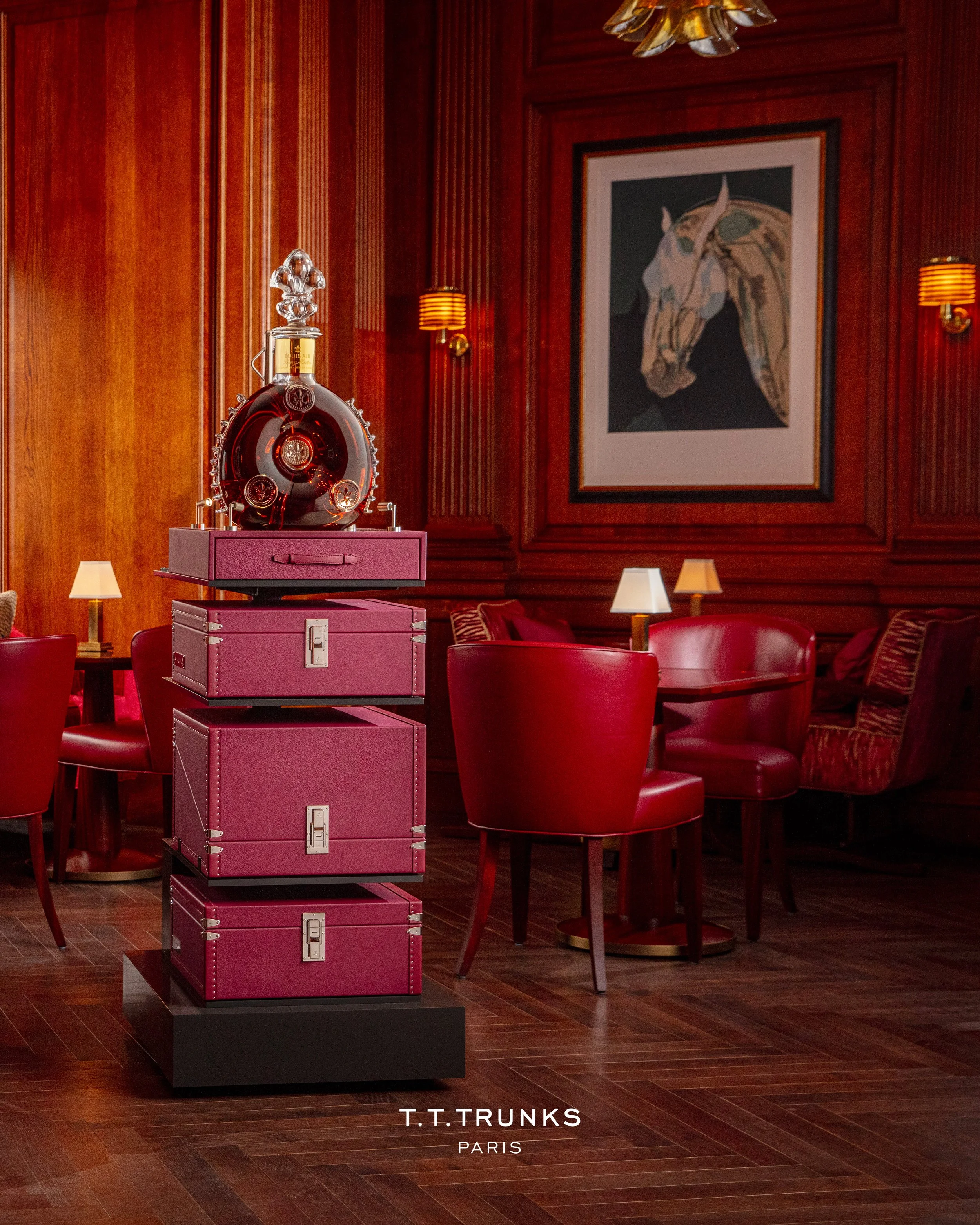
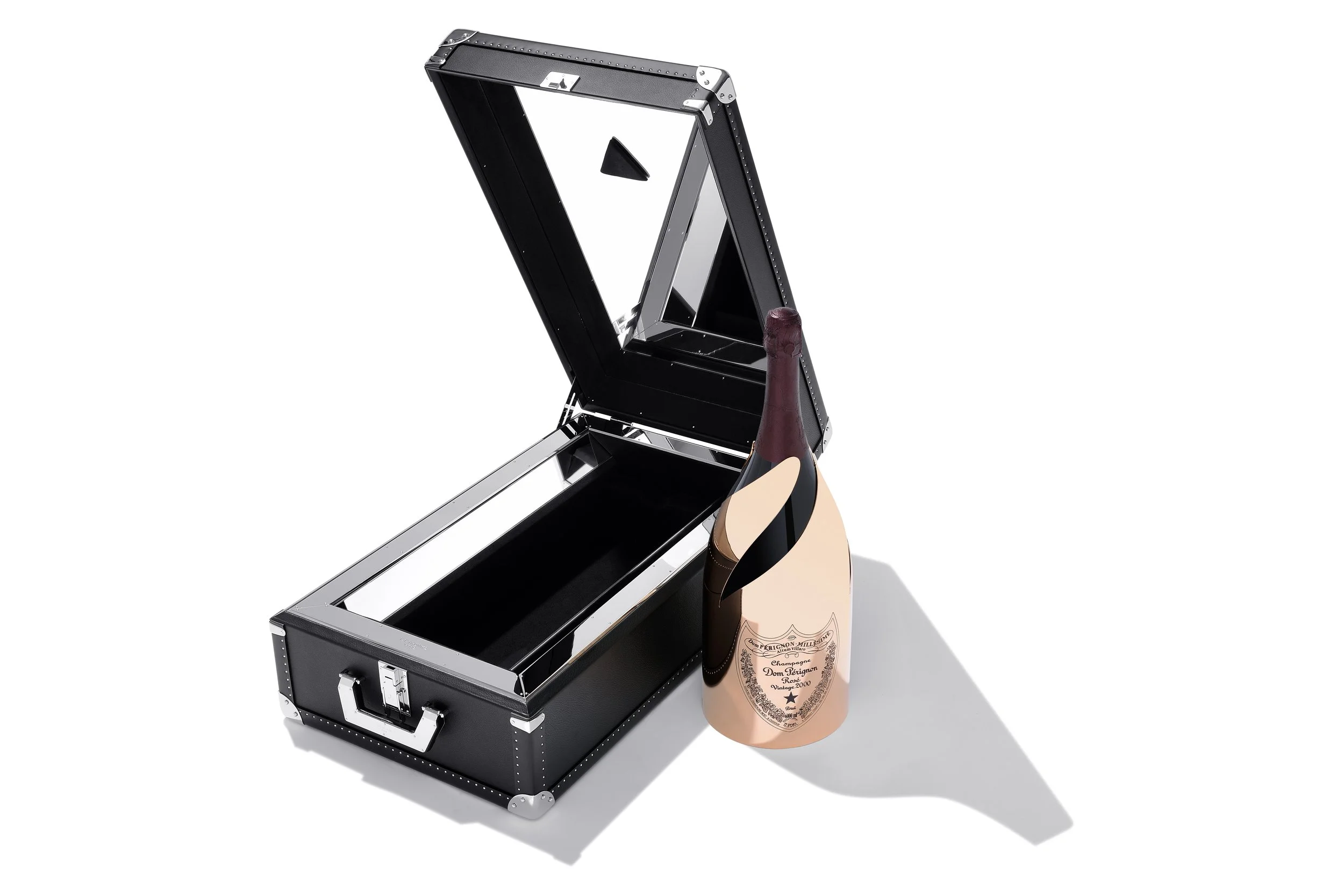
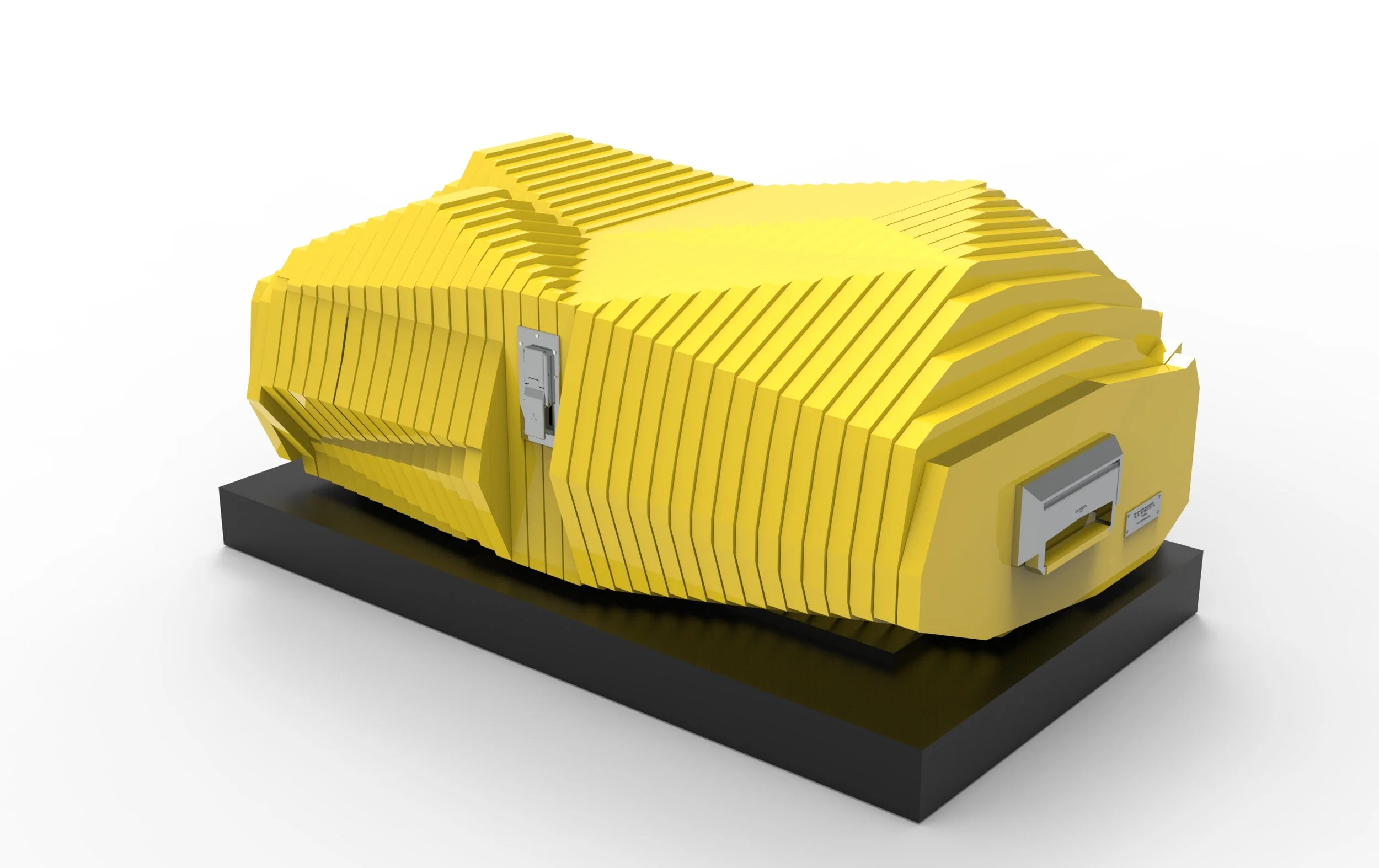
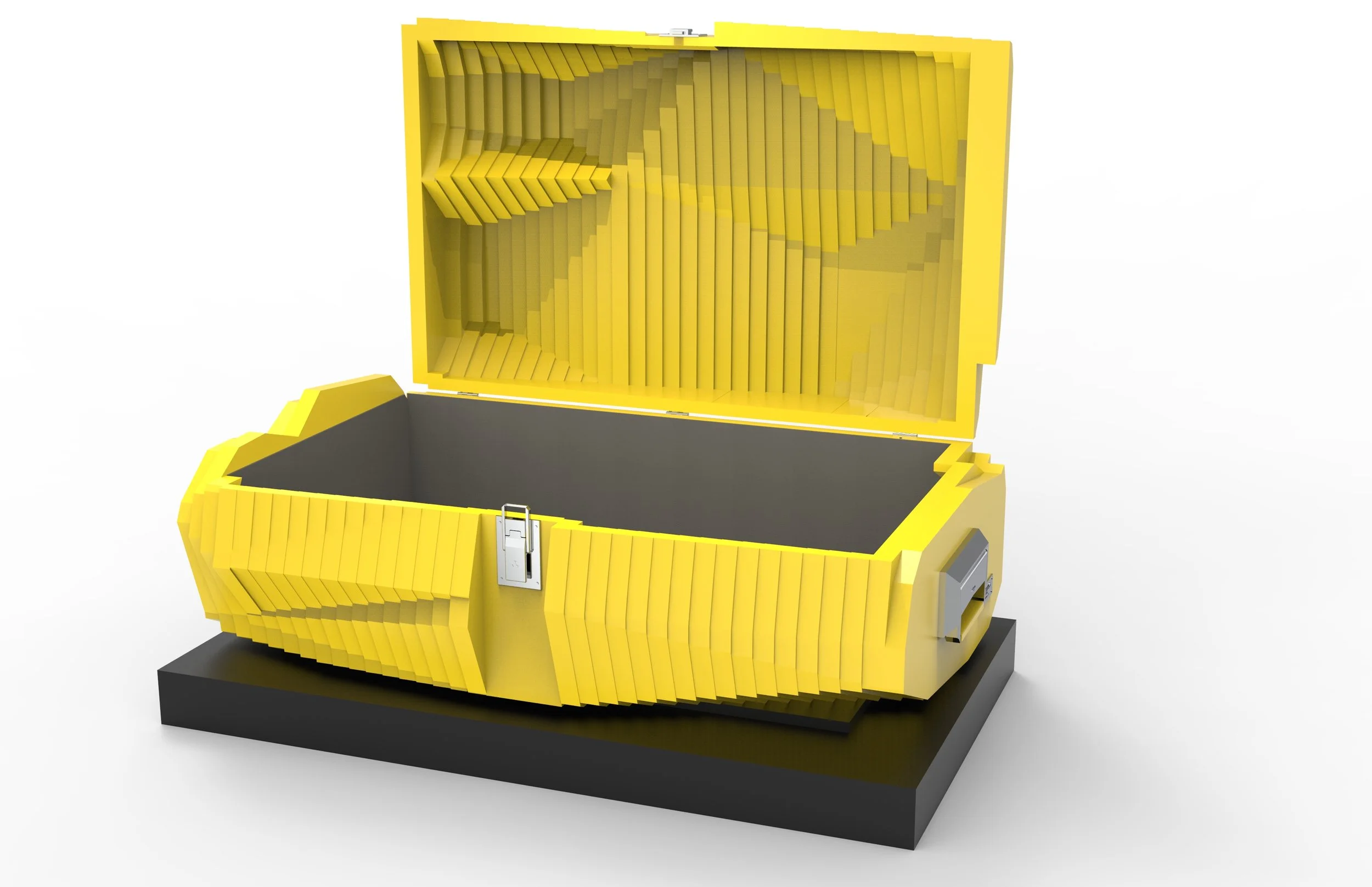
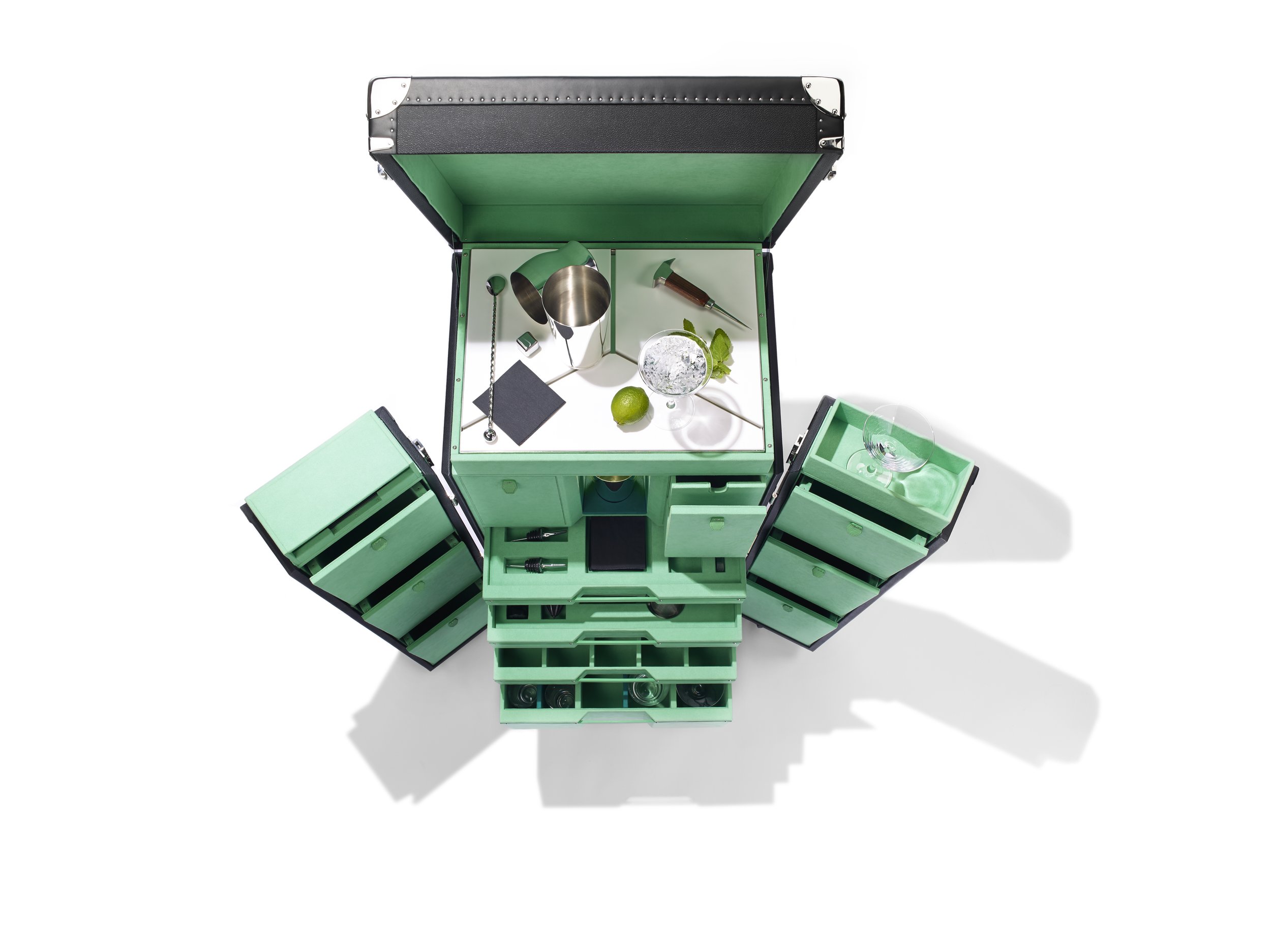
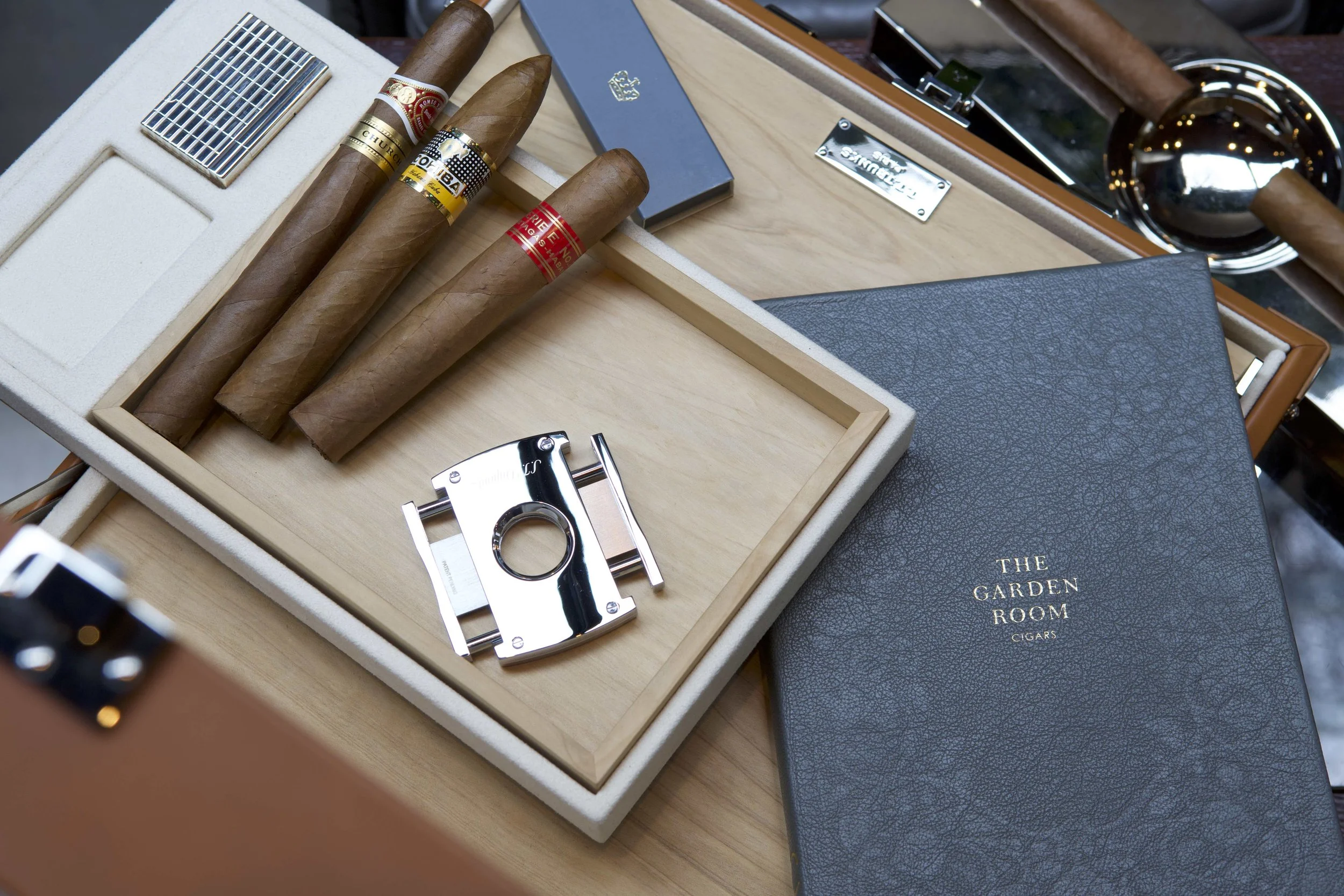
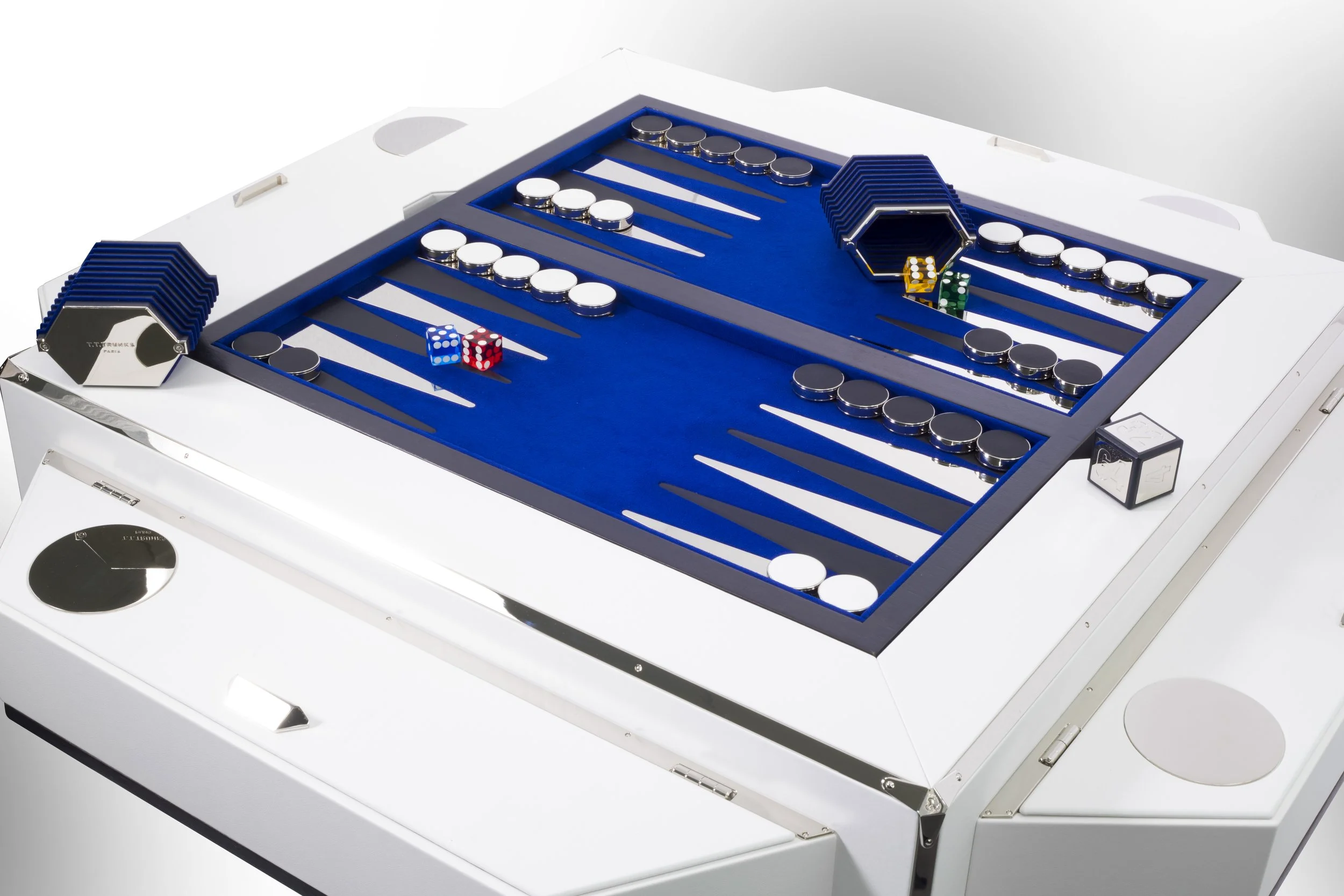
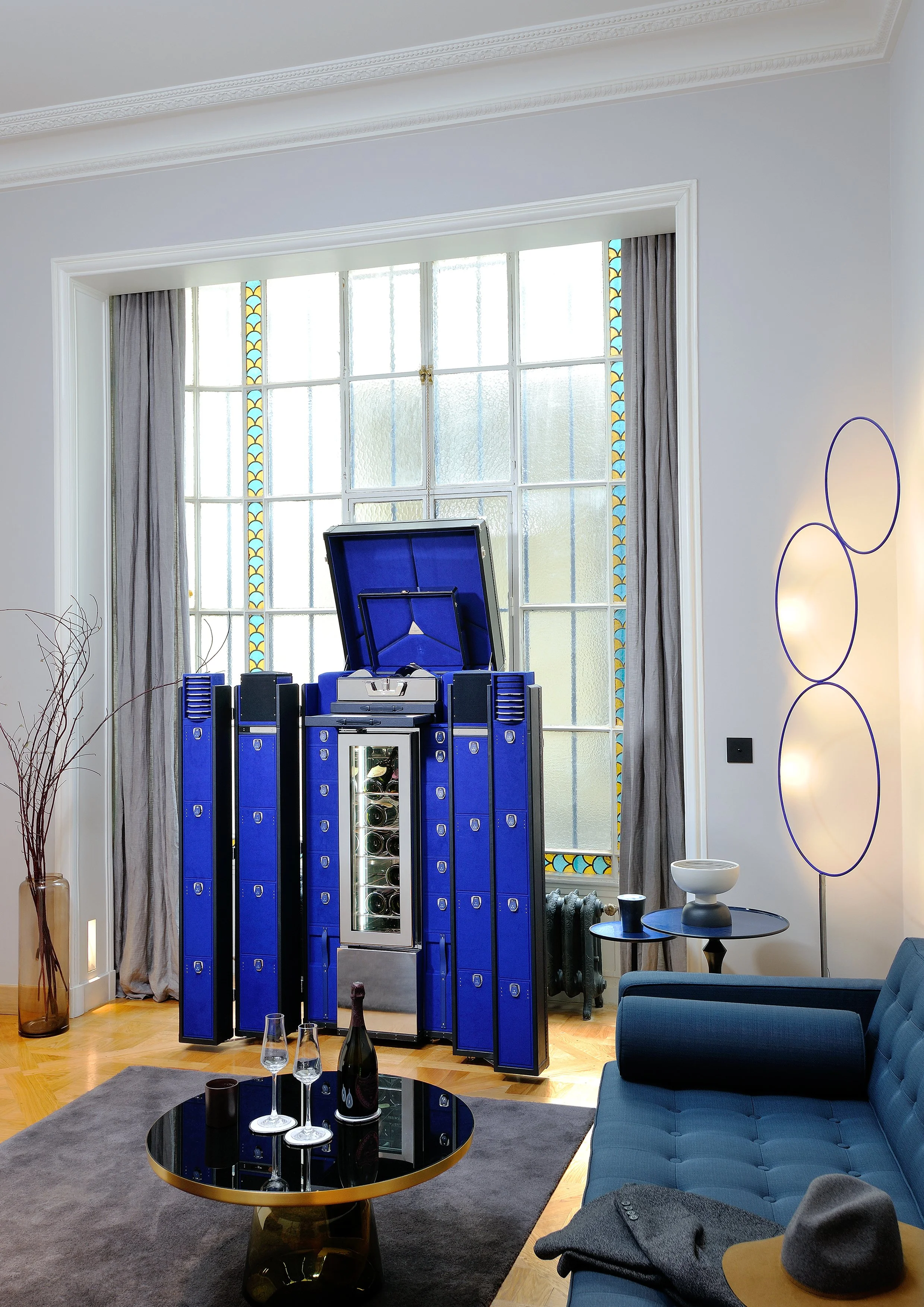
This shift defines how the objects are used. They are designed not to carry, but to frame moments, a Saturday evening, a shared drink, a quiet morning ritual, each trunk responding to a specific choreography of use. The Louis XIII cognac tasting trunk embodies this philosophy at its most expressive. When closed, it is composed and restrained. When opened, it expands dramatically, revealing a calibrated interior that unfolds with deliberate precision. “When you open it, something happened into the eyes of the people... they stop breathing for a few seconds because it is a surprise. It is exactly what I want to do,” Trossat says. The reaction is not incidental. It is designed.
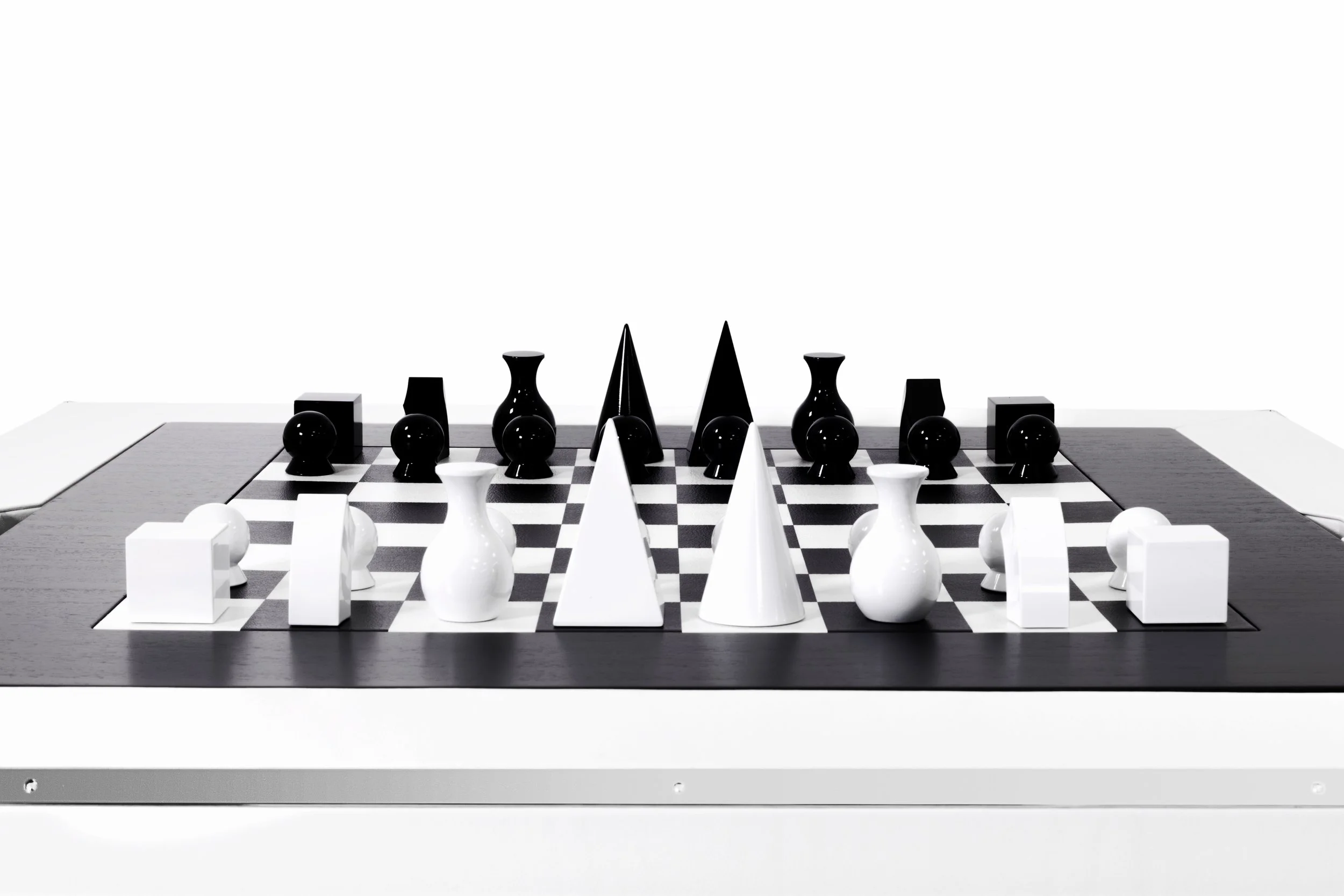
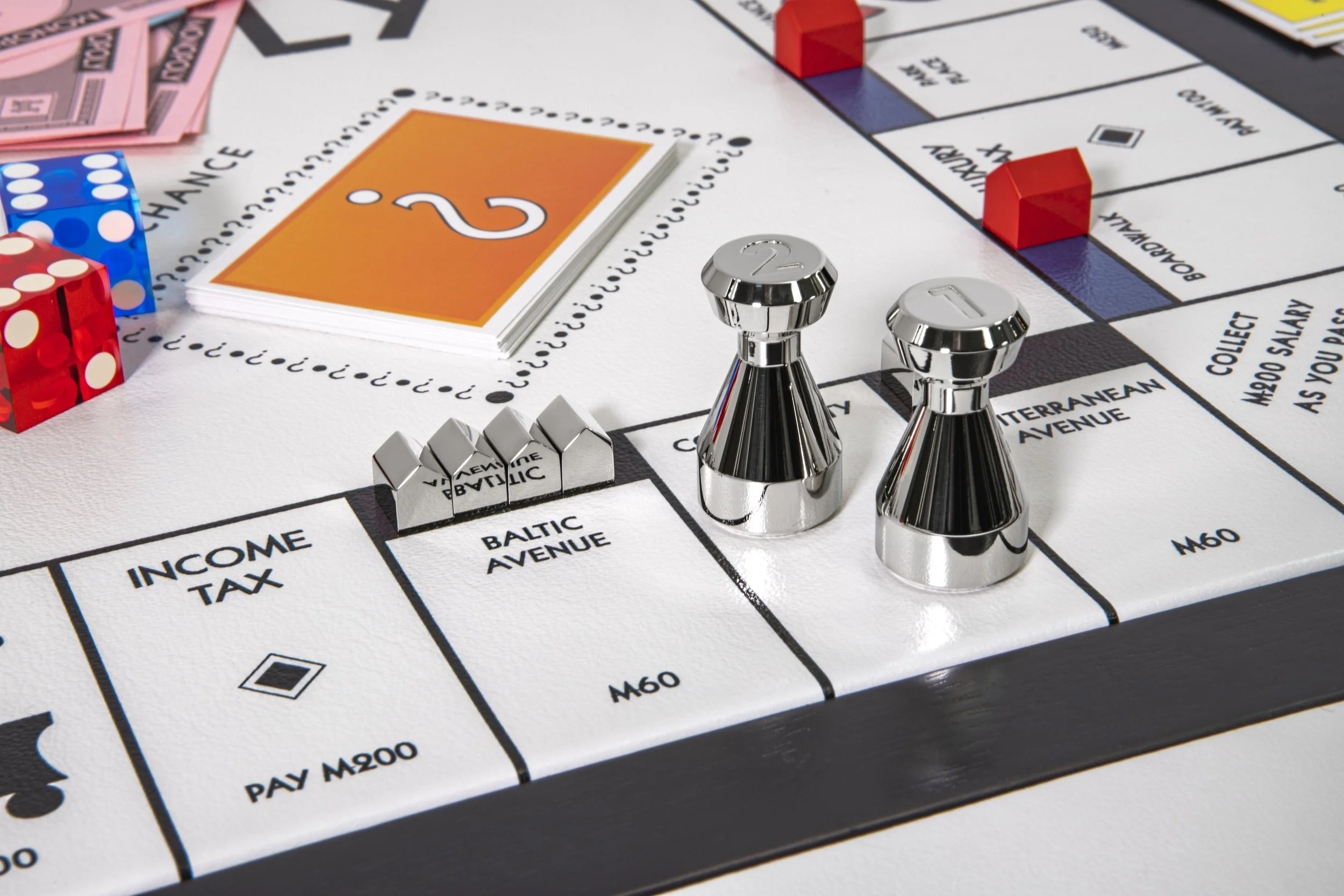
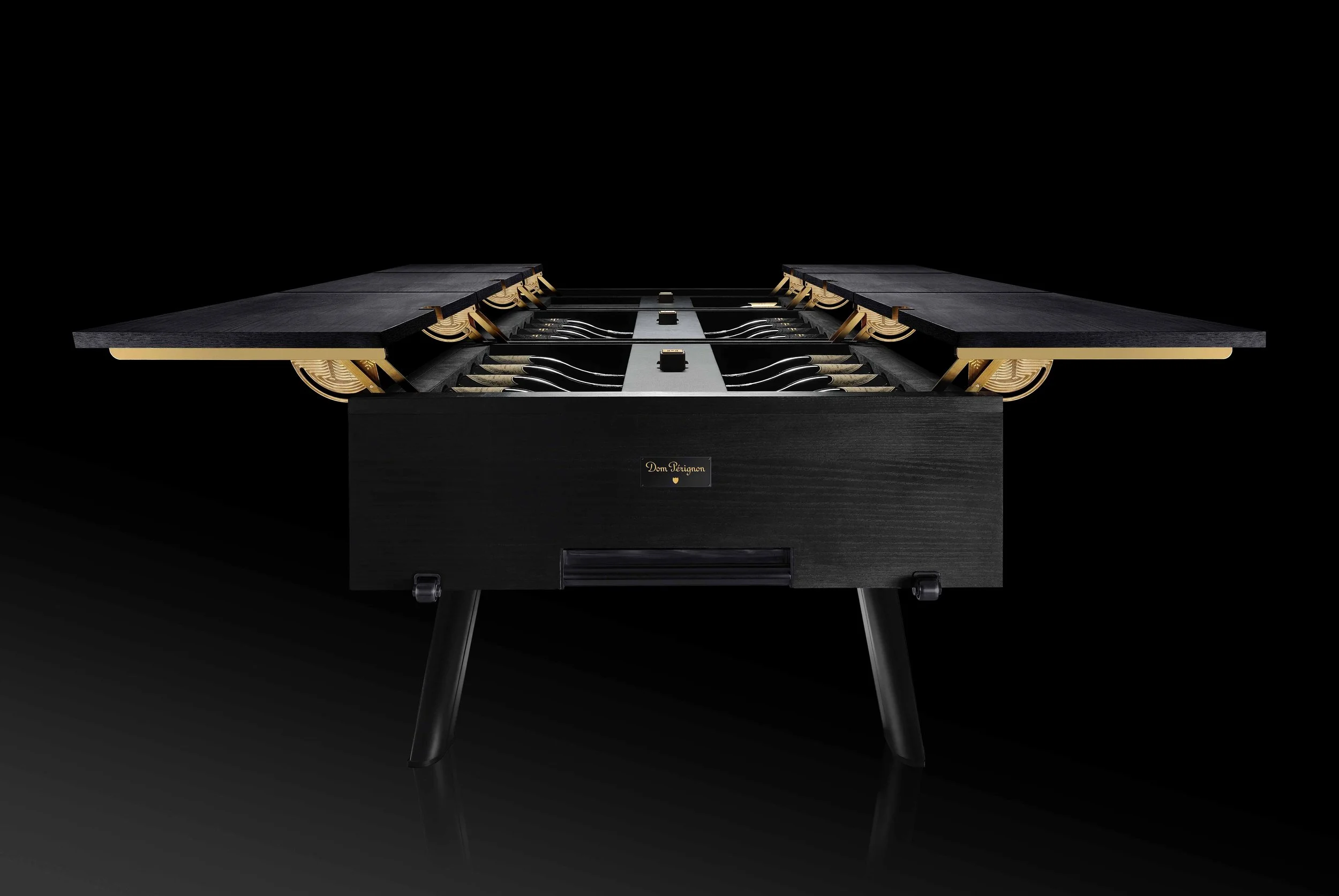
This approach extends into what he describes as “unfindable” objects, pieces that exist only in response to a specific life. “Every single piece is bespoke,” Trossat says, a principle that extends beyond form into the very construction of the object itself. In each instance, the trunk does not dominate the experience. It frames it.
The Gift of Transmission
Ultimately, Trossat’s work is not about possession, but continuity. He describes it as “transmission,” the movement of objects and the lives embedded within them from one generation to the next. His own “Souvenir Trunk,” filled with his children’s drawings and fragments of lived experience, reflects this philosophy with particular clarity. “If I get something from my dad, reflecting exactly the man he was... I will be for sure interested in getting this piece into my home and use it like he was using it,” he says.
Through materials engineered to endure, T.T.TRUNKS ensures that these objects remain intact not only physically, but emotionally. For Julien Trossat, the House of Rivets is not defined by visibility, but by permanence; not by display, but by experience. In a world increasingly oriented toward what comes next, his work insists on what is now, on the pause, on the silence, on the weight of something made to last. In that stillness, as in the Blue Minute, something happens, not as spectacle, but as recognition. Not of the object itself, but of time, held briefly in place.