
The Call of the Wild
Federico Veronesi’s Lived Symphony of Light, Shadow, and Africa’s Soul
BY KEVIN BECHARD
A lifetime of light, shadow and Africa’s extraordinary living world.
The lion's roar tore through the blackness of Federico Veronesi’s first night truly alone in the wild, a primal tremor across the Mara plains that vibrated not just the air, but the very ground beneath his hastily pitched tent. Hours earlier, he had finally arrived, fulfilling years of visceral longing for absolute immersion in nature. Now, in the deep dark, with only a sandwich for company and a silence vast enough to swallow sound, he felt both disoriented and intensely alive. This quiet, undeniable affirmation solidified his path, revealing the life he was born to live. Veronesi remembers thinking, "What am I doing here?" He recounts, his voice a blend of humility and conviction, "but then the lions kept roaring all night… it was the very first night when I was totally free in the wild.” That profound conversation, a lifelong connection between man and wilderness, has never ceased.
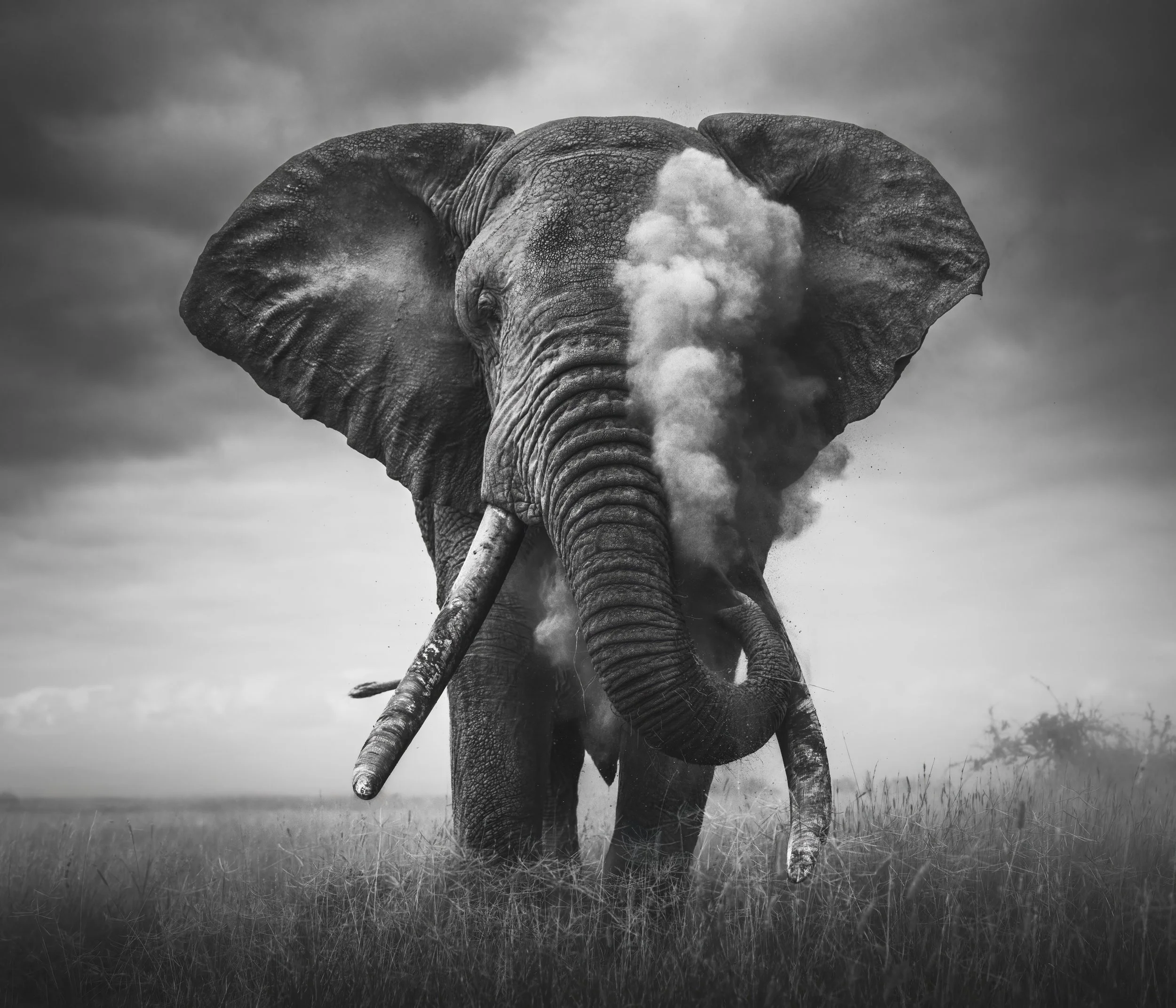
Decades later, Veronesi's photography stands as a powerful visual love letter to Africa: its creatures, its vast silences, its raw, untamed drama. His collected works, consistently praised for their deep emotional resonance and masterful composition, function as a global conduit, drawing viewers into vanishing natural environments. Through his lens, the African savannah does not merely exist; it transforms into a cathedral, a lion’s unflinching gaze becomes scripture, and the silhouette of an elephant etches itself into the very fabric of memory. For Veronesi, the act of experiencing the wild is inextricably linked to capturing it.
Mal d’Africa: The Ache That Never Left
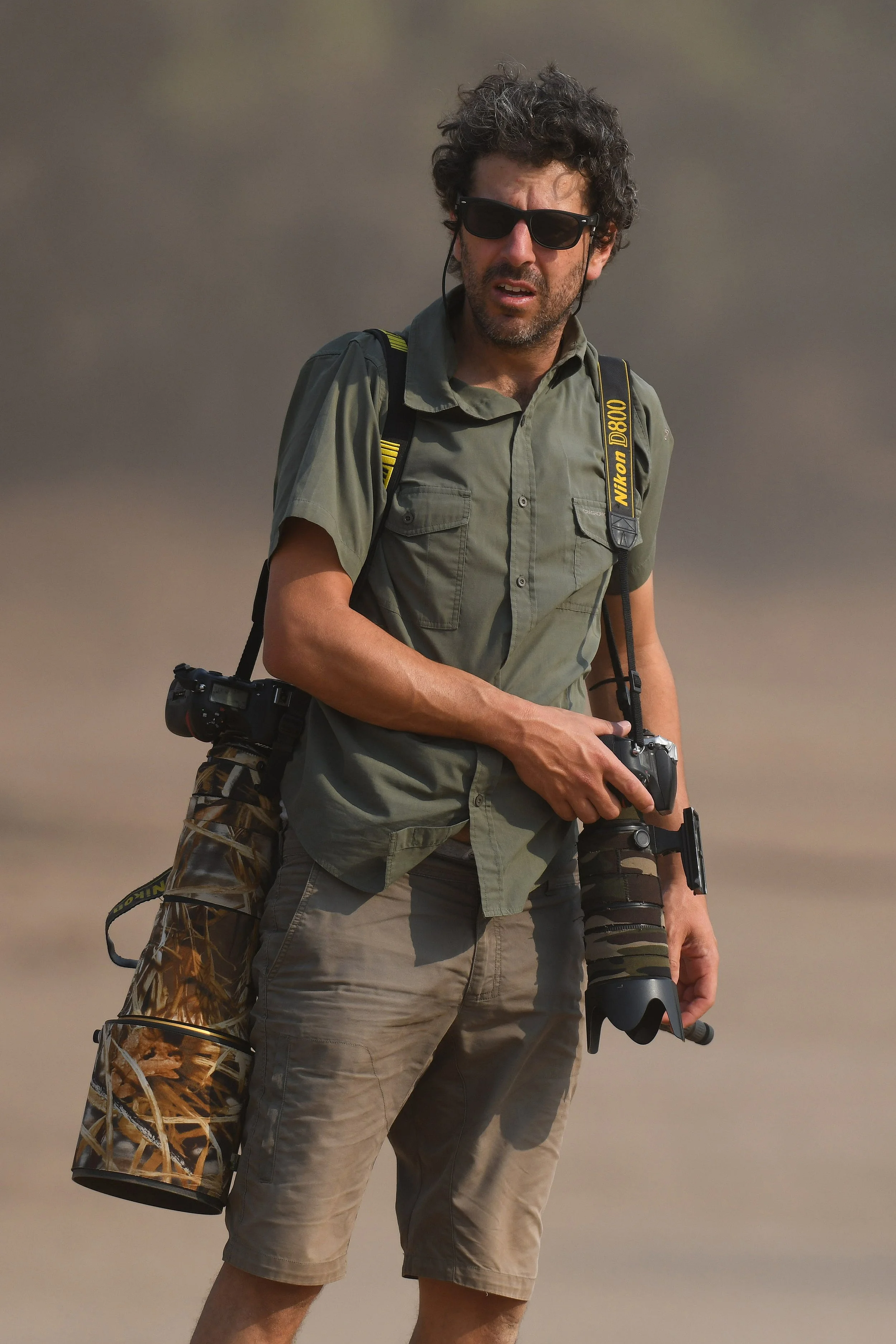
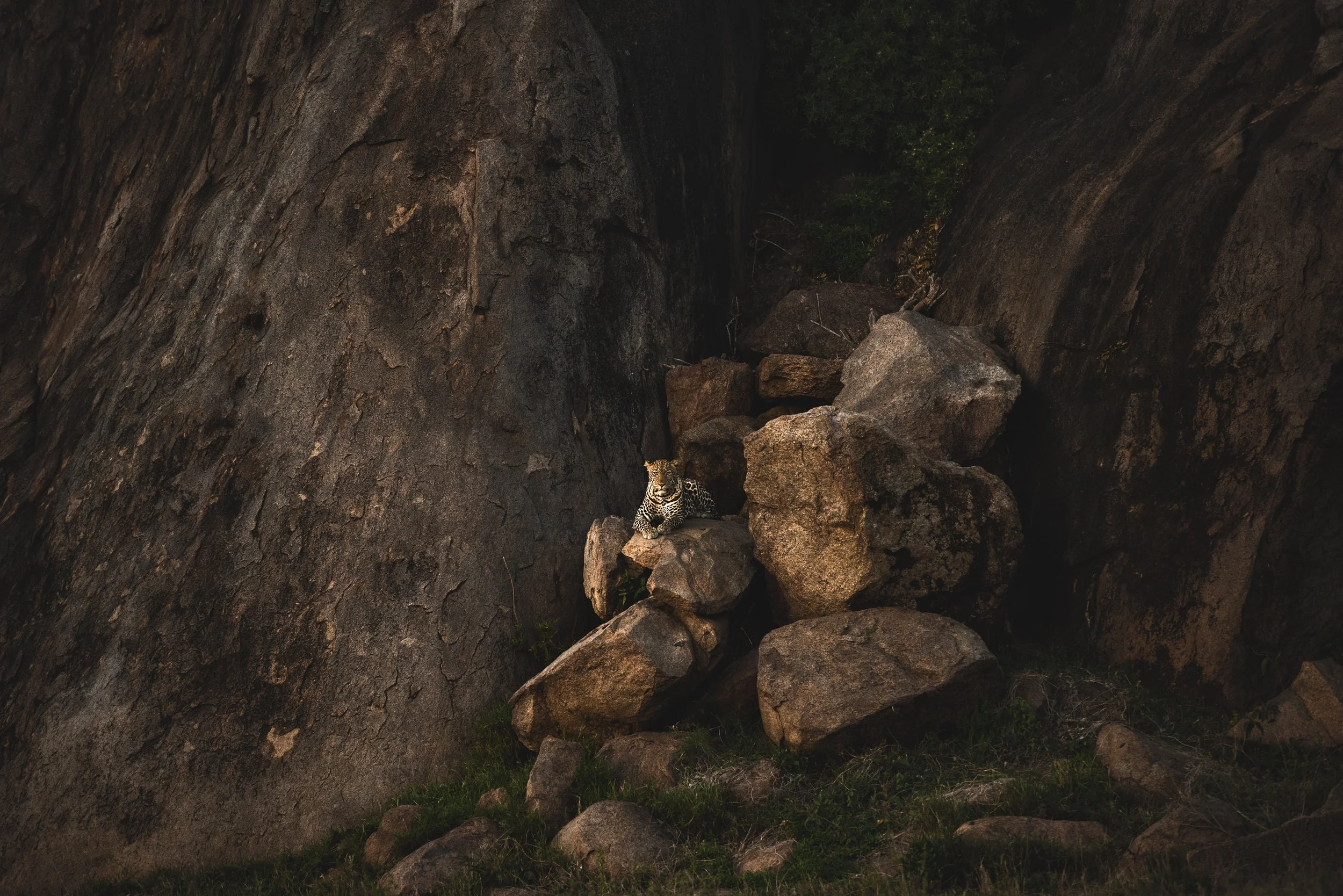
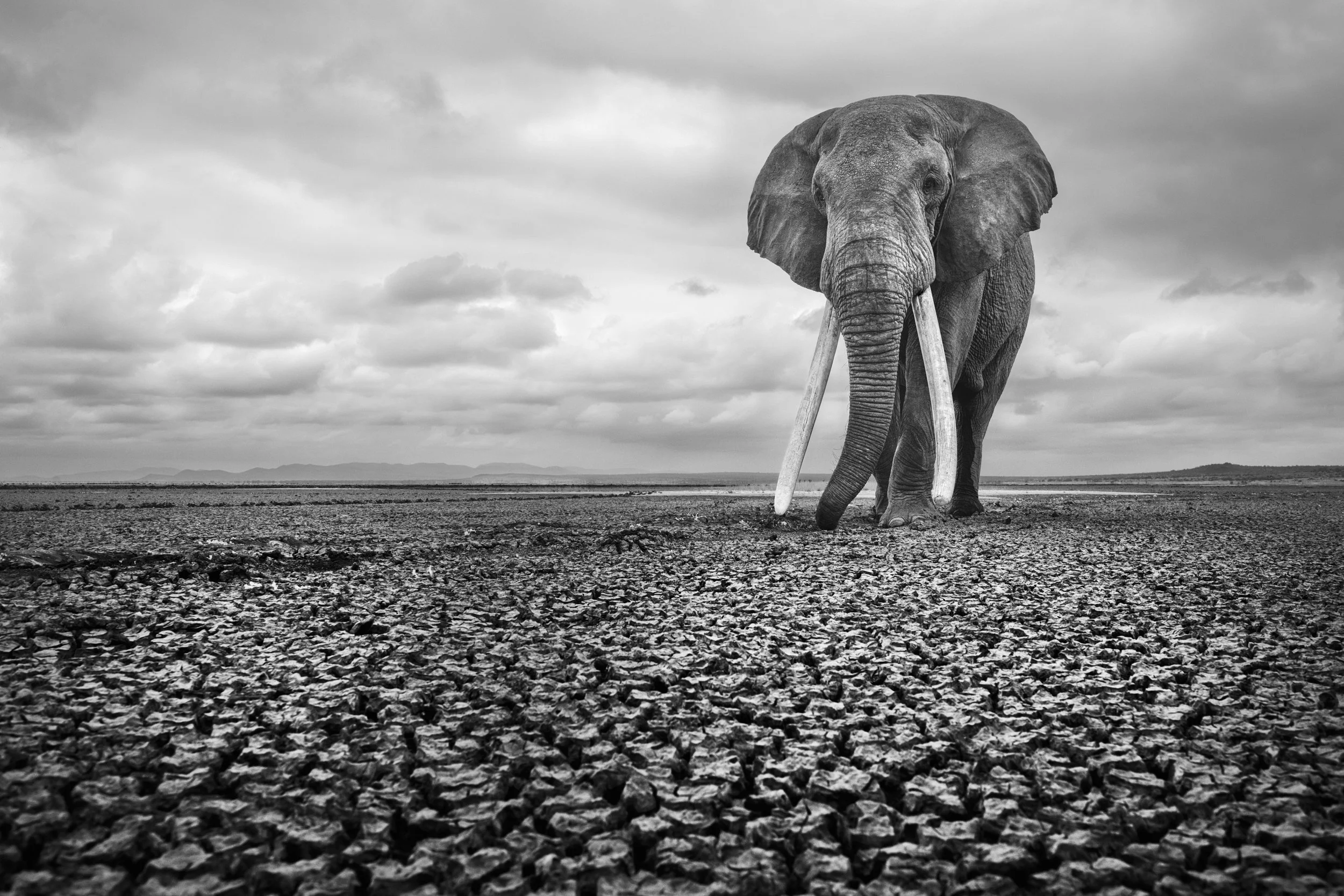
When Veronesi was just six or seven, departing Kenya after his foundational first safari with his parents and a Polaroid camera, he wept on the plane, an unconscious grief for a place that had already become part of him. That deep sense of loss, or Mal d’Africa in Italian, persisted relentlessly into adulthood until he eventually moved back. Veronesi explains that while it is difficult to put the feeling into words, he attempts to capture it in his photographs, particularly in images where the animals are small within the frame and the vast African landscape and skies dominate the scene.
He believes the immensity of the landscape makes one feel "absolutely meaningless" but also "at peace," as he feels "totally surrounded by nature and surrounded by endless spaces." He is fascinated by the idea that the natural world continues "regardless of everything that happens all around," a world that existed before humans and will continue to exist after. It is a "very fascinating" experience to watch it happen in front of you. This emotion has informed, shaped, and influenced every photograph he has taken since, revealing not merely wildlife, but the very soul of a man still responding to that same childhood ache—the deep ache of belonging. With every carefully crafted image, he strives to transmit this emotion to viewers, "taking people back to Africa with you through the photograph."
Taking people back to Africa with you through the photograph.
More Than One Call from the Wild
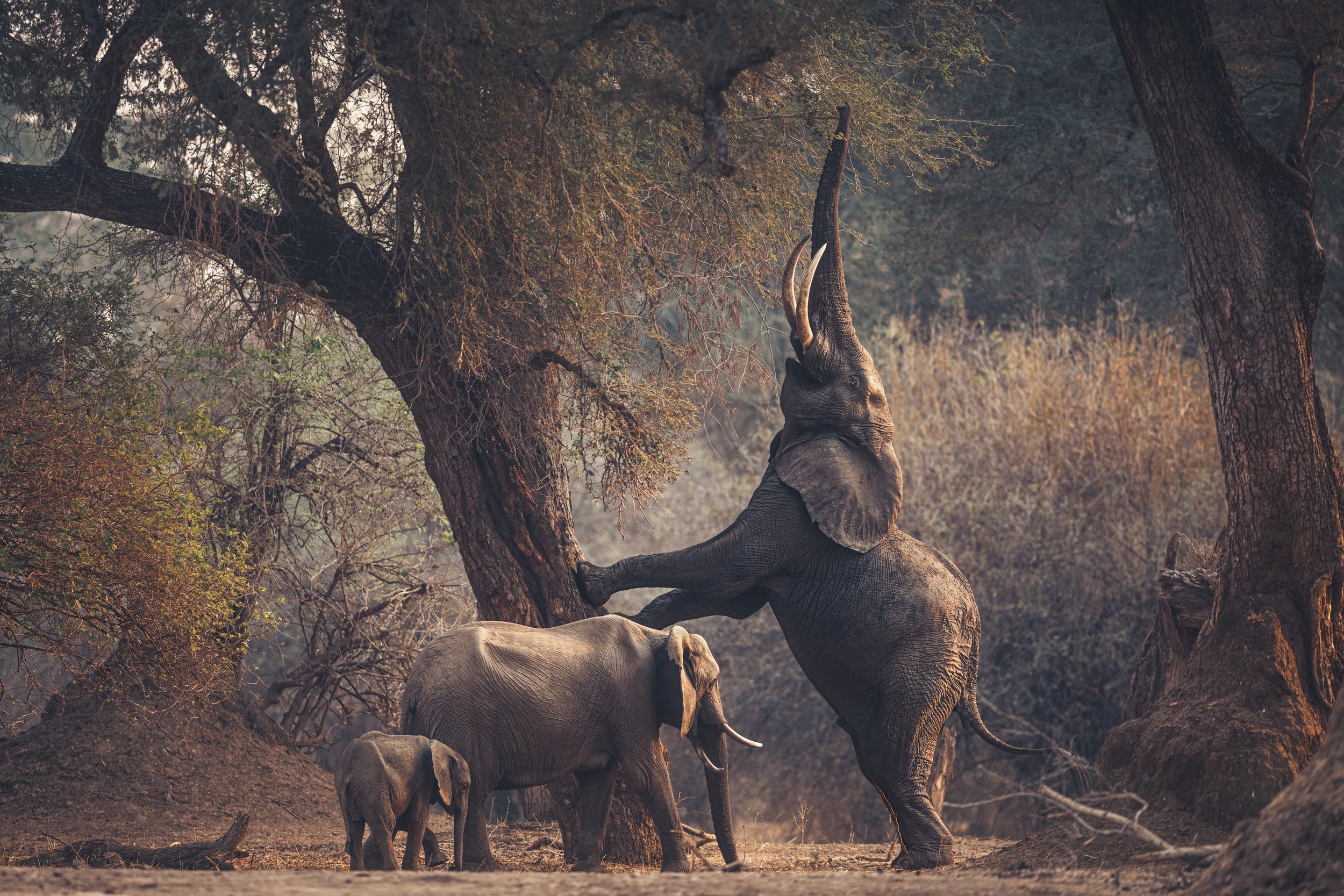
Veronesi's journey wasn't defined by a single, dramatic decision, but by a series of powerful, personal revelations. While his affinity for lions is clear in his work, he admits, "elephants were my biggest passion." The first undeniable call to the wild came during a three-month university internship at the Italian embassy in Nairobi. As an economics student, he used his weekends to explore, and it was on one of these safaris that his path became clear.
He vividly recounts a particular evening in the Maasai Mara: "sitting at the edge of a marshy area with lions sleeping on a termite mound and elephants in the marsh, giraffes, zebra, everything... from one place. I could see this kind of Garden of Eden scene." The sight was so powerful that it struck him: "this is so unbelievable. I have to be here... this is my place."
A second, more personal encounter followed with a leopard. While the animal was too far to photograph, Veronesi watched it through his binoculars. The leopard turned and looked directly at him. He describes the moment as a powerful call: "That first time, that leopard looking at me into the binocular was like, wow, this is a call. It's like a call from the wild that is holding me there."
The Severing of the Necktie
Before the complete surrender to his artistic calling, Veronesi charted a course through the world of economics, a trajectory seemingly destined for a life of high-stakes executive meetings and labyrinthine international contracts. An enticing offer from an Italian oil company, glittering with promises of global travel and financial reward, appeared to align perfectly with this planned future. Yet, a single, arresting glance at his reflection, adorned in a suit and tie, triggered a seismic internal shift. The overwhelming yearning to be in Africa, to exist among its magnificent animals, simply eclipsed the practical allure of a corporate career. This ignited a brief, yet intense, period of internal conflict, a wrestling match between the perceived duties of a conventional life and the undeniable pull of his true desire, between the security of the known and the deep authenticity of his calling. Despite a cascade of offers from Italy, Veronesi’s heart remained anchored in Nairobi. He accepted a position with an NGO, a compromise that brought him closer to the wild. While his four to five years of NGO work in Kenya were fulfilling, he felt a growing need to spend more time with the animals. This realization was the final catalyst. Consequently, he shed the NGO, the steady salary, and every vestige of his safety net, choosing instead the raw, uncertain embrace of the wild, and the promise of a life lived on his own terms. The roads he subsequently travelled were unpaved, the days frequently arduous, yet they were, unmistakably, his path.
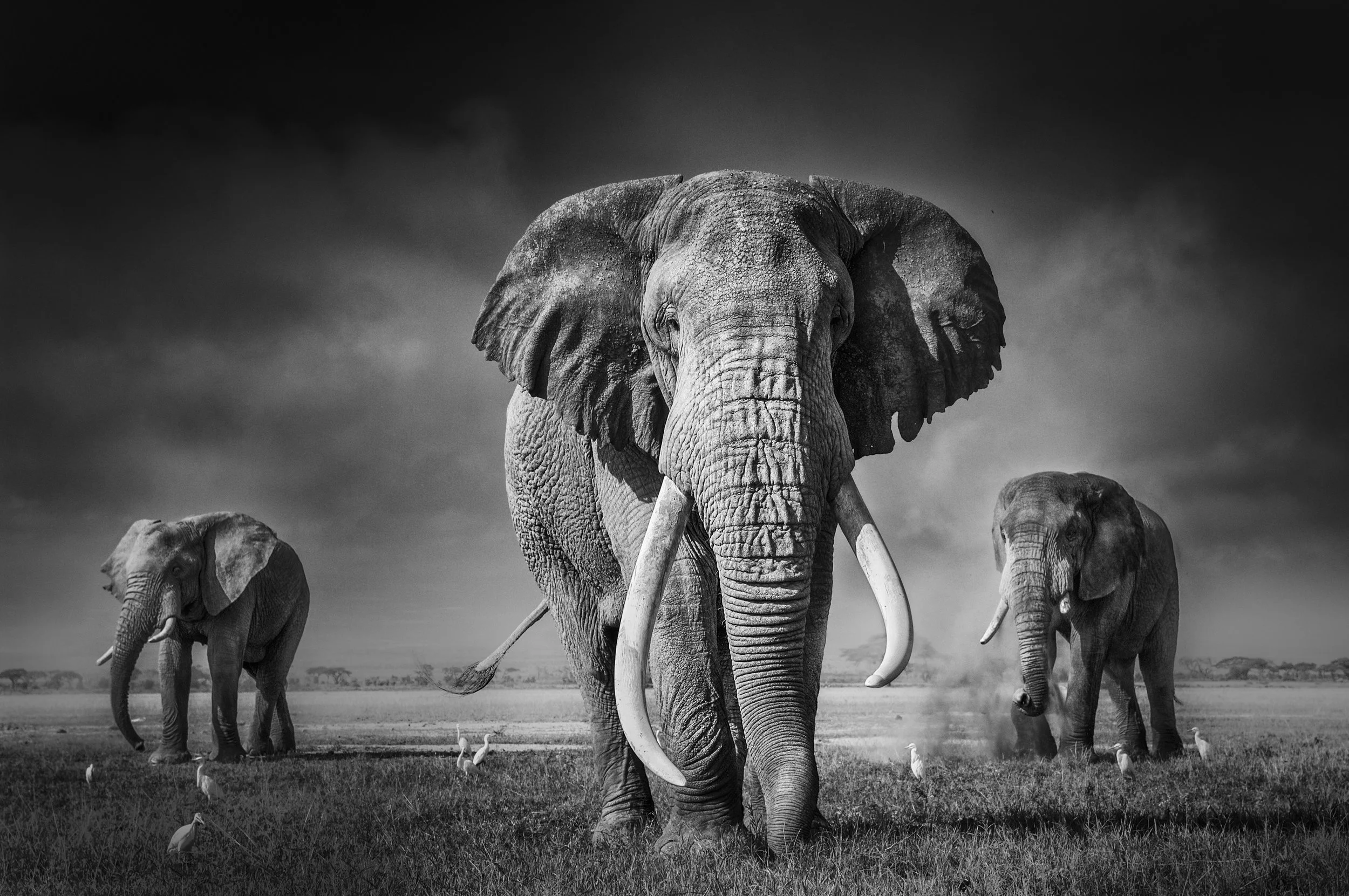
A Photographer’s Eye, a Guardian’s Heart
Presently, Veronesi dedicates roughly 120 days each year to guiding safaris, a self-imposed limit that underscores his unwavering commitment to quality over mere quantity, and a fervent passion that defies the looming specter of burnout. His safaris are immersive, rigorously structured expeditions born of a deep respect for the animals they seek. His commitment to his craft extends to the relationships with his team; he spends up to 13-14 hours a day sharing and working with the same drivers and guides, cultivating relationships he considers some of his most meaningful. This close collaboration is all with the goal of offering the guest the best possible experience. To accomplish this, he shepherds two distinct cohorts of travelers: the seasoned photographers, relentless in their pursuit of optimal positioning, and the enthusiastic beginners, eager to absorb every subtlety of his expertise. Both groups are bound by an unspoken pact of reverence, with zero tolerance for gimmicks or intrusions into the animals' natural existence. His philosophy is that a photograph must capture a shared moment. As he explains, "The animal has to be happy and relaxed and doing its thing... then we can take some pictures."
For Veronesi, capturing a scene with his camera is an extension of being fully present in the moment. He explains that even while he's "watching the scene and trying to get in position to get the best possible image, there's a lot that you leave there in that moment. You're fully inside it." It's an act of honoring the sacred space he shares with the wild.
Every safari commences with a thorough Zoom consultation designed to calibrate expectations and fine-tune equipment. He offers comprehensive explanations of lens behavior, field conditions, and the intricate limitations of light. More crucially, he prepares his guests to attune themselves to the elusive, ancient rhythms of the wild, championing quiet observation, disciplined waiting, and attentive listening as the true, indispensable skills of the field. He speaks with an unvarnished honesty about the immense responsibilities inherent in photographing Africa’s wildlife as a foreigner, emphasizing the critical understanding that this is not merely scenery, but a living, breathing home. Visitors, he underscores, are guests, and every click of the shutter must resonate with that deeply held respect.
Light, Shadow, and the Edge of Mystery
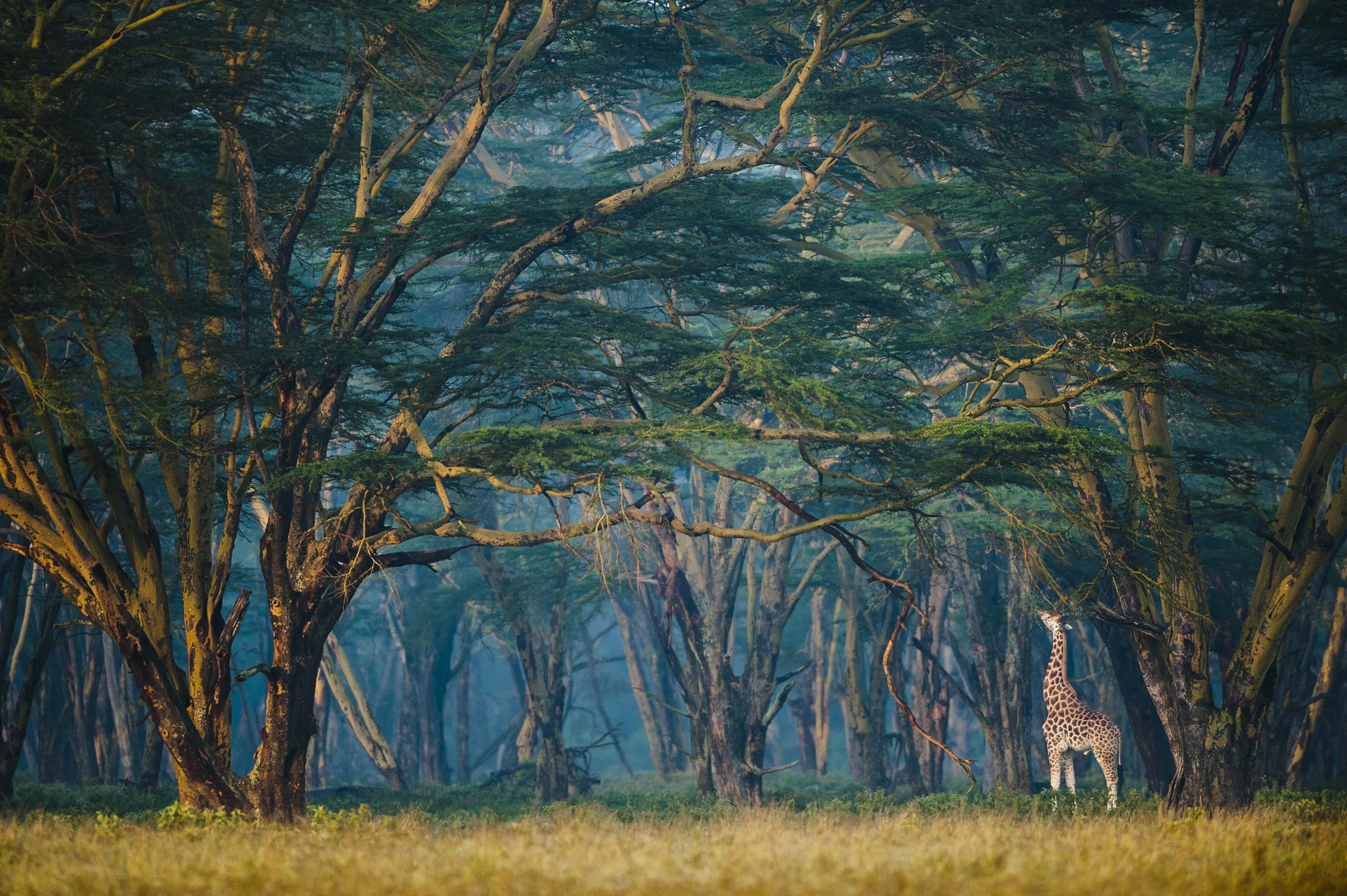
To truly comprehend Veronesi’s work is to grasp the intense, almost tactile, intimacy of his relationship with light. His images throb with a palpable tension, exploring the interplay between brilliance and obscurity, between what is revealed and what remains tantalizingly hidden. He frequently favors the dramatic embrace of backlighting and side-lighting, illuminating only a fragment of the animal, just enough to ignite a deep emotional response. His use of light and darkness, particularly the way he uses shadow to define form and evoke drama, is reminiscent of the master painters of the Baroque period, especially Caravaggio and Artemisia Gentileschi, both original masters of chiaroscuro. He states that photography is about light, but light means nothing without darkness. Black and white becomes his preferred canvas when the intrusion of color might dilute the raw emotional impact. By stripping away the obvious, the superficial, he unveils something eternal, explaining that black and white removes an image from space and time and can elevate a moment to an eternal dimension. Veronesi often shoots with crystalline intent, knowing, even as he frames a majestic lion through a veil of golden dust, whether the final image will reside in monochrome or vibrant color. His work leans toward the cinematic, the deeply contemplative, utterly devoid of distraction, focusing with unwavering intensity solely on the purity of the instant. For Veronesi, the truth of the experience reigns supreme, and that truth extends far beyond mere capture; it is about honoring, with every fiber of his being, what is witnessed.
Photography is about light, but light means nothing without darkness.
Veronesi’s transition from the analog world of film to the precision of digital photography was a strategic evolution, not a sacrifice. He reflects that it is not solely about the tool, but the patience behind the lens. While he cherishes the foundational lessons gleaned from his early experiences with film, he wholeheartedly embraces digital’s precision, which affords a greater dynamic range while remaining unyieldingly faithful to the intricacies of natural light.
The poetry of the wild
Technique, Ethics, and the Art of Anticipation
Despite his numerous accolades and widespread acclaim, Veronesi humbly states that he does not consider himself a purely technical photographer. "I'm not a technical photographer at all," he explains. "So a lot of it is behavior, understanding behavior, spending time with the animals and the vision, visualizing where a good picture can be." This instinct, sharper than any lens, has been rigorously refined through decades of unwavering patience and countless hours in the field.
In 2014, Veronesi made a conscious shift away from being known as a documentary photographer to focusing on high-impact, emotional images. He believes that post-production is an important part of this process, but he maintains an uncompromising philosophy of "minimal digital manipulation." He explains that he never removes or adds elements to a scene, ensuring the image "remains faithful to what was actually there." He views the practice of manipulating photos as introducing "an element of deceit," when a viewer is led to believe a scene happened as photographed, but it did not. He states this is especially important because when people see manipulated images, they may try to replicate them, which can put unnecessary stress on the animals.
His post-processing is focused on enhancing the existing image, not altering it. He precisely adjusts tone, warmth, and shadow, employing techniques like dodging and burning with the precision and artistry of a traditional darkroom master. By playing with tonalities and colors, he seeks to "enhance the feeling and the emotional elements," all without altering what was actually there.
Of Patience, Purpose, and the Elephants of Time
Years of relentless dedication, of quiet, unyielding effort, converged into a single, iconic photograph: the spectral image of one of Africa’s last great tuskers, a mythical behemoth shrouded in the encroaching shadows of dusk. Veronesi had tracked this specific elephant for what felt like an eternity, enduring the austere solitude of remote camps, studying ancient water patterns, watching, and waiting. He eventually unearthed its secret watering hole, a sacred sanctuary where he would wait for days on end, sometimes to no avail, yet always precisely where he needed to be. His deep admiration for elephants is not an abstract concept; it is a living, breathing reality experienced minute by minute. They are his totems, his unceasing inspiration, and, with heartbreaking frequency, the source of his deepest sorrow.
In 2013, during a huge wave of disastrous poaching in Africa, Veronesi was invited by an NGO in Hong Kong to present his photography in China. The demand for ivory, driven by China and other East Asian countries, was fueling the crisis. A campaign was underway to change the perception of ivory as a gift of prestige, replacing it with the understanding that every statue holds the blood of a sentient, intelligent animal that has been killed.
With this in mind, he took his message to universities and banks in cities like Qingdao. He would show audiences images of elephants' social life—of babies playing and mothers caring for one another—and then, at the end, reveal that those very elephants, full of joy and life, had been killed for their tusks. This juxtaposition was a big shock for many who had not fully understood the connection between ivory and poaching. Since that time, the attitude toward ivory in China has changed dramatically, with demand dropping and the government closing the domestic trade. He humbly views his contribution to this larger educational effort as "a very small crumb...in the ocean."
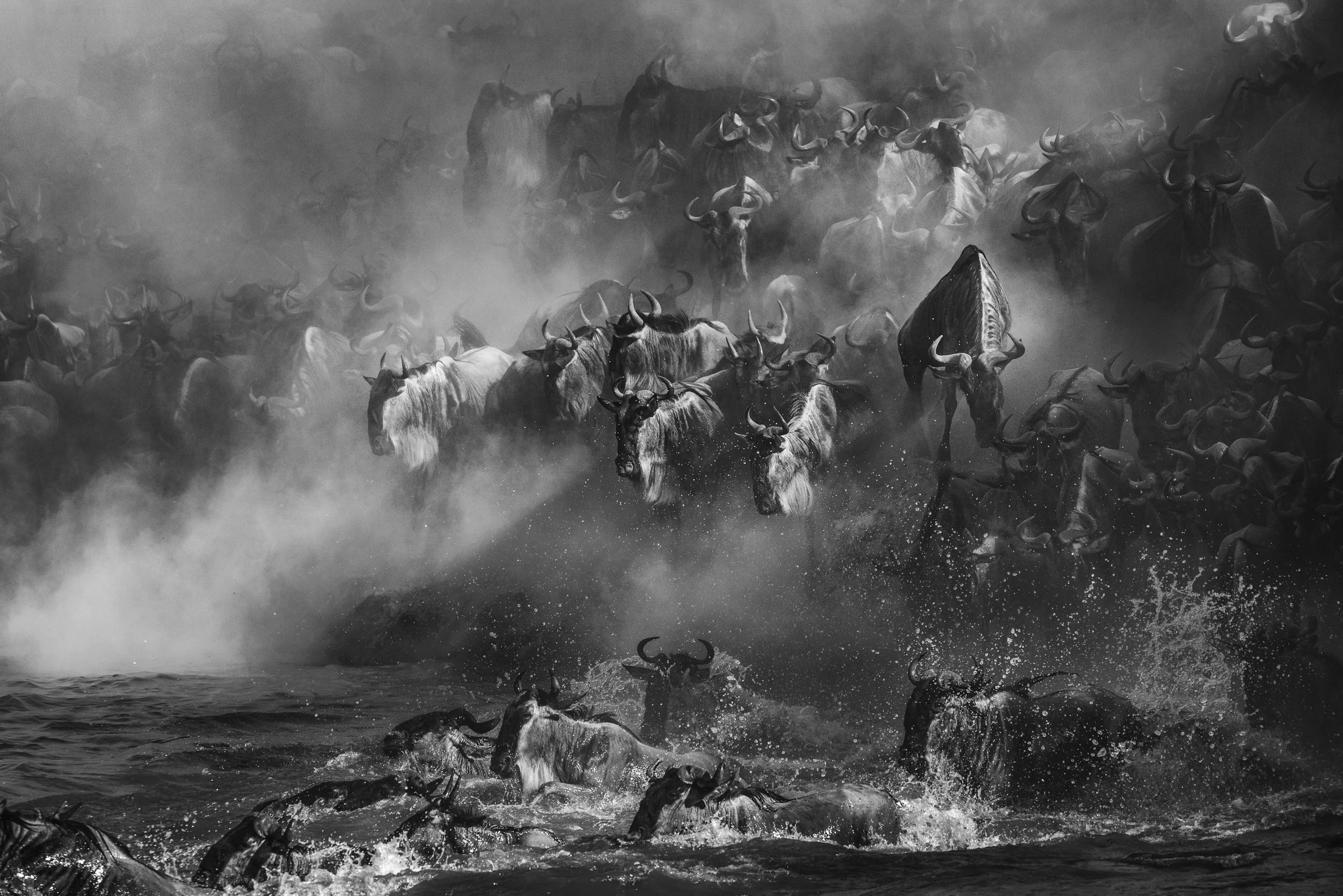
Stillness as Resistance: An Indirect Advocacy
Veronesi unequivocally believes that the relentless march of mass tourism represents one of the most insidious threats to Africa’s wild heart. The sheer volume of vehicles swarming around a single cheetah not only irrevocably disrupts the animal’s natural behavior but also irrevocably diminishes the sacredness of the encounter. He asserts with conviction that we need to reject the idea that a good safari means checking off the Big Five in a crowded park. True wilderness, he emphasizes, demands space—unfettered space for animals to behave as they are meant to, and equally vital space for humans to feel truly small, humbled by the vastness. He champions travel to the road less traveled, to lesser-known, untouched regions such as Laikipia and Zimbabwe’s Mana Pools, places where space, absolute silence, and genuine sustainability not only converge but thrive. He firmly believes that if guests actively demand stillness, more precious wild places will be fiercely protected to provide it.
Veronesi clarifies his personal role in conservation, stating he is not a photojournalist in the traditional sense, but rather an artist who seeks to inspire. "I'm more on showing what we stand to lose. Who are we killing? This is the animal that we are going to kill... this is my role," he explains. His hope is that his photography "influences people at an individual level and then that translates into decisions that have that conservation impact." He collaborates with field scientists and resolute conservation researchers, sharing critical sightings and offering invaluable logistical insights gleaned from his extensive time in the bush, yet views his direct contribution to policy or large-scale preservation as a "very small crumb…in the ocean."
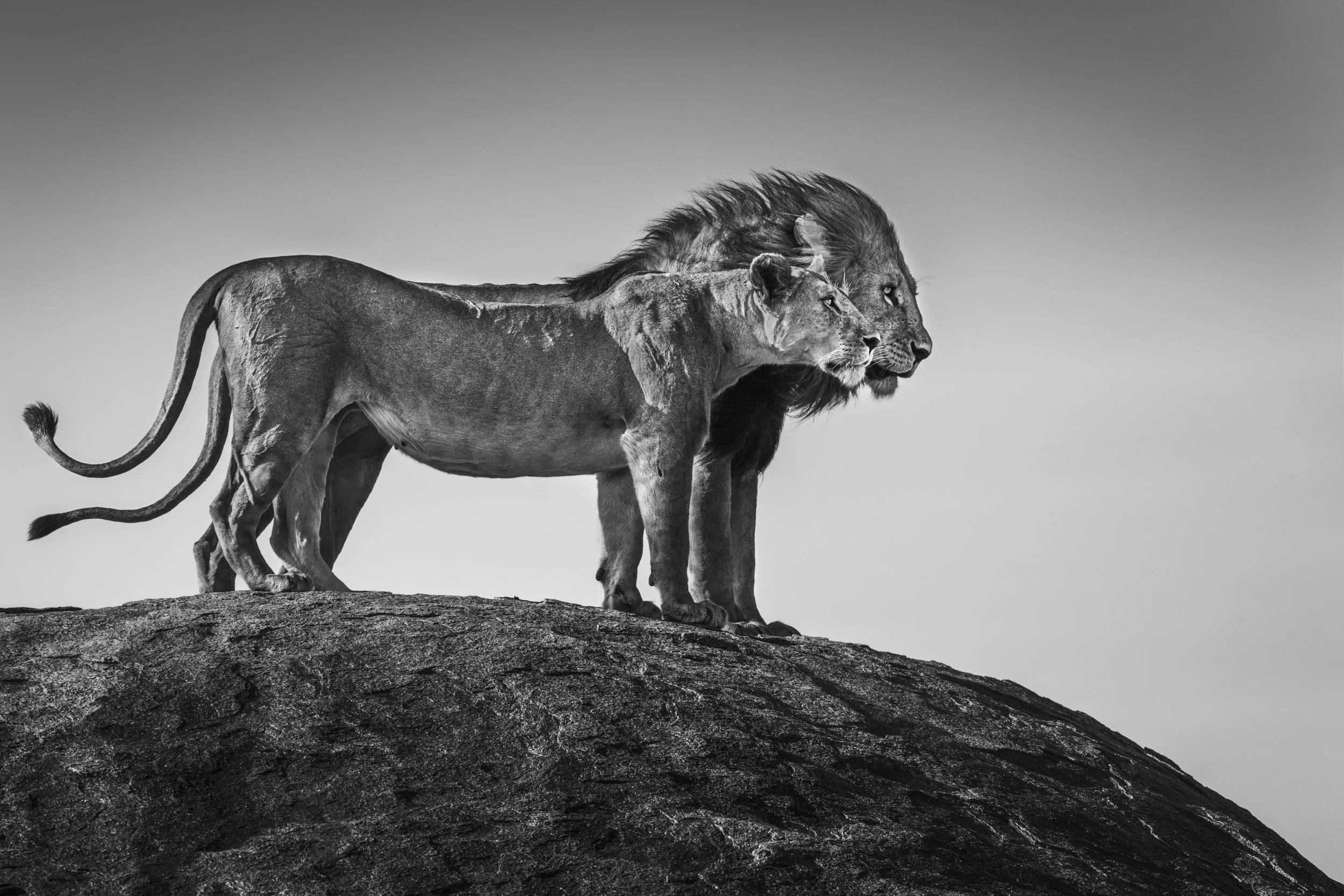
The sprawling, remote expanses of the Serengeti, particularly its ancient rocky outcrops, hold a special resonance for him, offering an “other world experience” where human presence dissolves into insignificance. He notes how lions often claim these elevated formations, gazing out over the endless savannah, creating some of his most deeply fulfilling photographic and personal experiences.
The Sound of Lions at Dusk
On a recent evening, as the African sun bled into the horizon and storm clouds gathered dramatically overhead, Veronesi and his guests bore witness to two male lions perched majestically on a rocky outcrop in the Serengeti. As the powerful roars echoed across the vast plains, an absolute silence descended upon the group, each person simply listening, utterly absorbed. He characterizes it as a spiritual communion, noting how the photographs, though eventually taken, only came after the experience had been fully lived and felt. These are the times that leave the deepest, most indelible mark on him—the liminal hours suspended between day and night, between the visible and the imagined, between memory and myth. During these hallowed times, he feels an unutterable peace, completely enveloped by nature and boundless space, making him feel small yet utterly, irrevocably connected to something larger than himself.
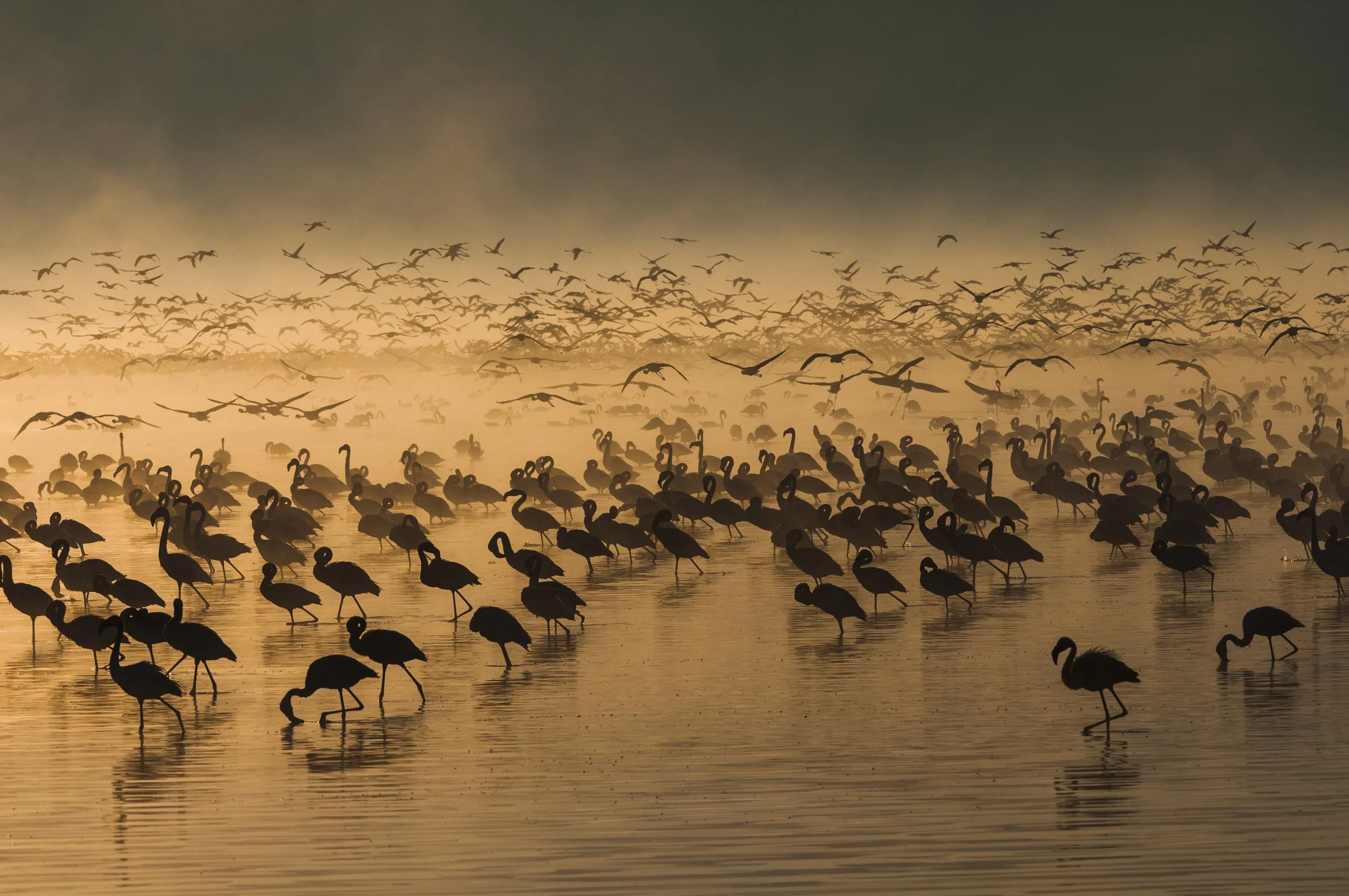
Legacy in the Frame
When asked about the ultimate message of his photography, Veronesi pauses, a contemplative silence settling between his words. With quiet conviction, he explains that his core idea is to bring humans and animals together — a belief so central it became the title of his latest book, Walk the Earth. “We walk the earth together with the elephants,” he says, describing it as the strongest message he can share through his work.
We walk the earth together with the elephants.
His seminal books — Light and Dust, One Life, and Walk the Earth — are far more than collections of striking images; they are visual manifestos urging us to feel before what is precious is lost. One Life, in particular, was conceived as a deeply personal narrative, using wildlife imagery to tell the story of his own human journey and dissolve the boundary between subject and self.
Veronesi harbors no interest in an ego-driven legacy. Instead, he hopes his work leaves behind something quieter yet more enduring: empathy — a reminder that the fate of the wild is not separate from our own.
Final Frame
Through Federico Veronesi’s lens, the African wilderness is not a distant, exotic tableau; it is intimate, familiar, and vibrantly, irrevocably alive. With every haunting silhouette and every piercing gaze, Veronesi gently guides us home—not to a specific geographical place, but to a deep, universal recognition of shared life, fragile and beautiful, on this Earth.
Through his lens
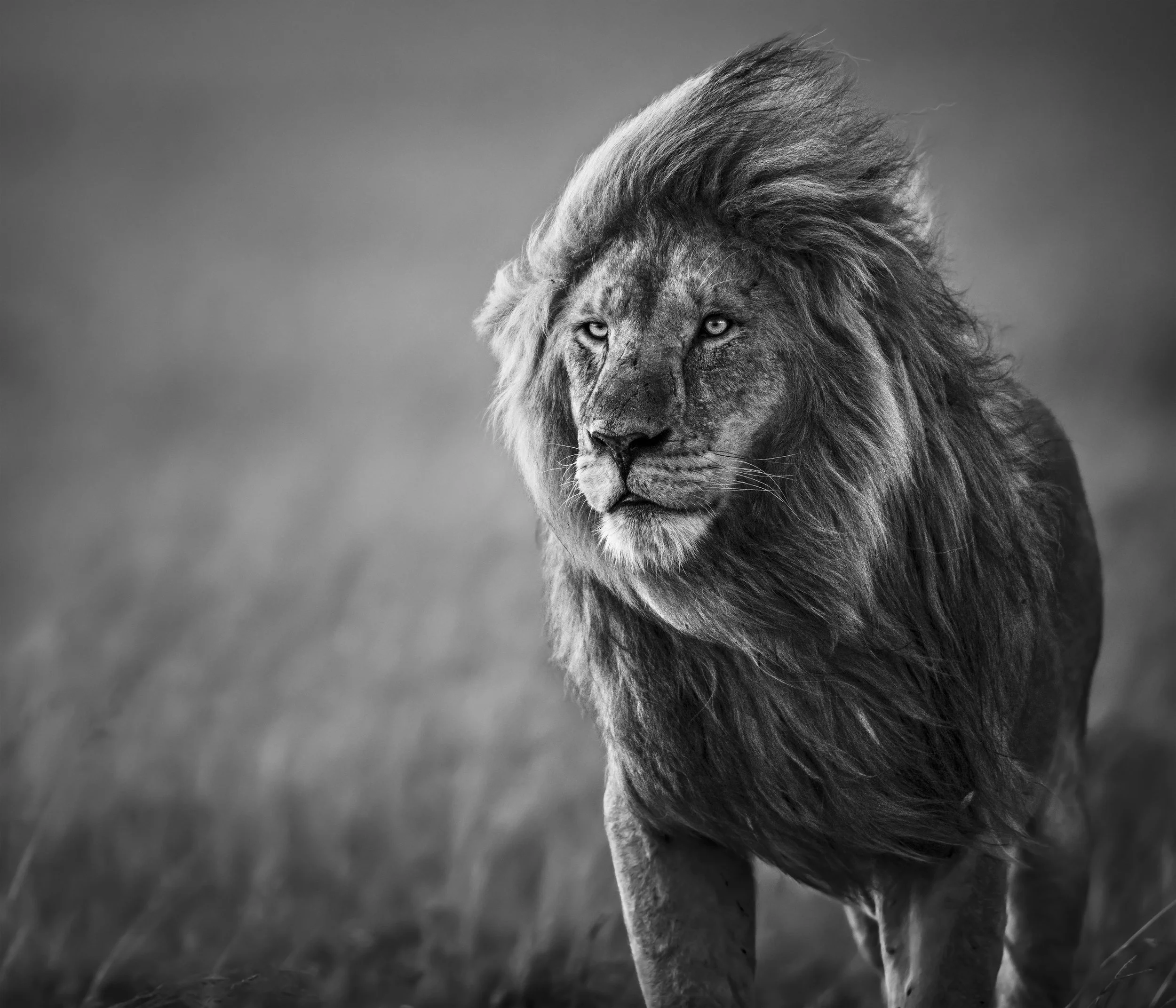
01 / The lion’s gaze · © Federico Veronesi
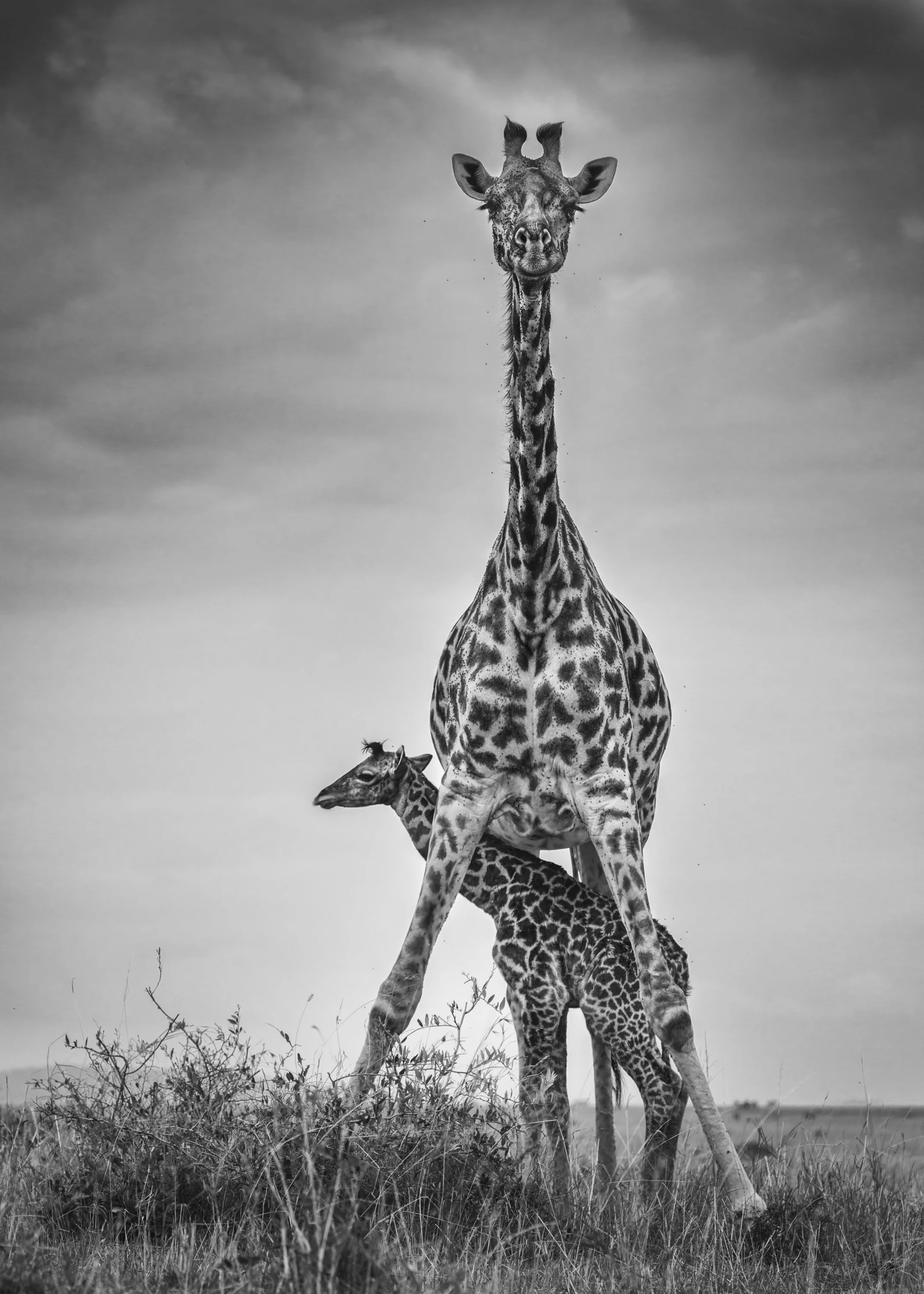
02 / The plains · © Federico Veronesi
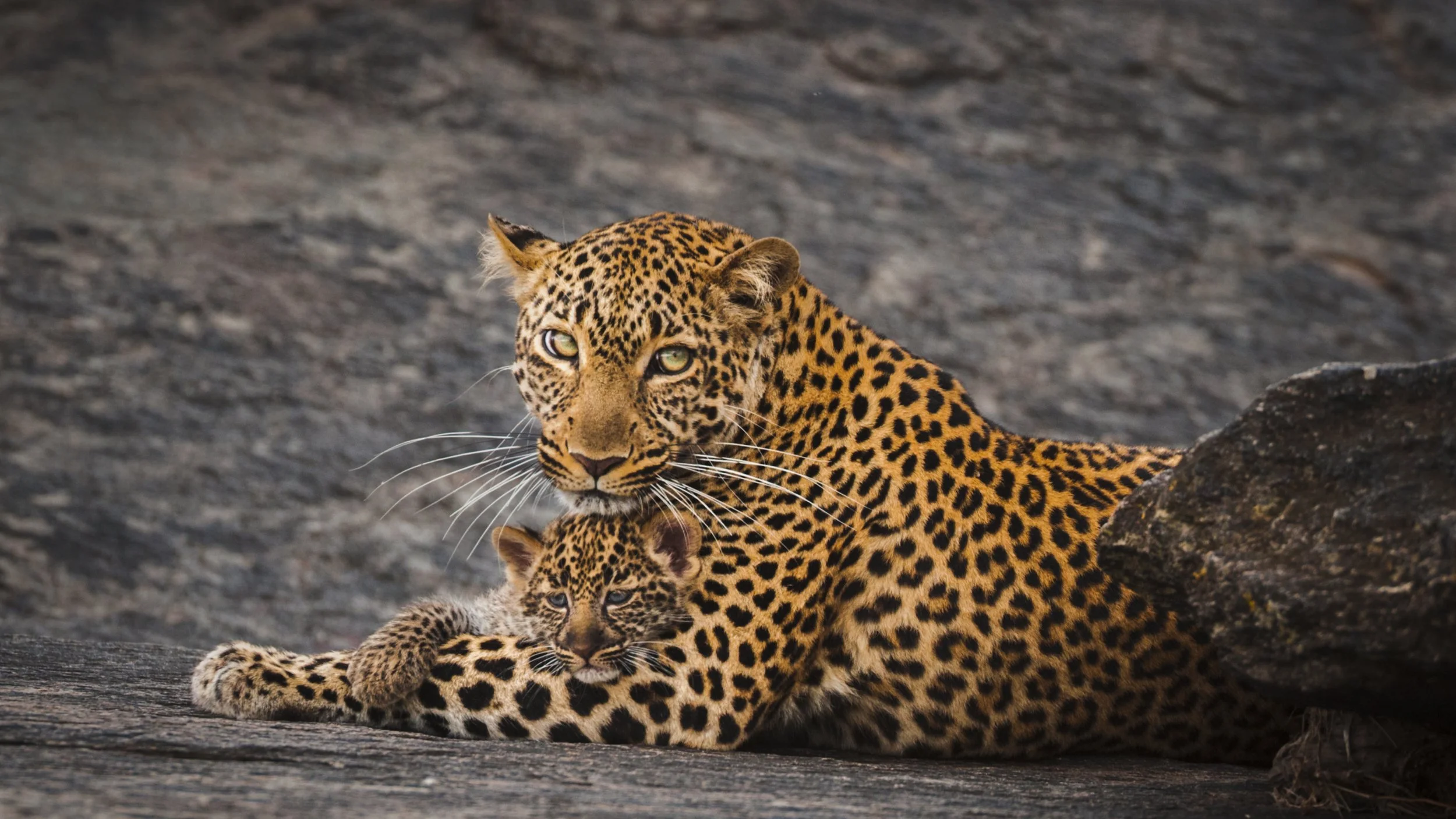
03 / Among the rocks · © Federico Veronesi
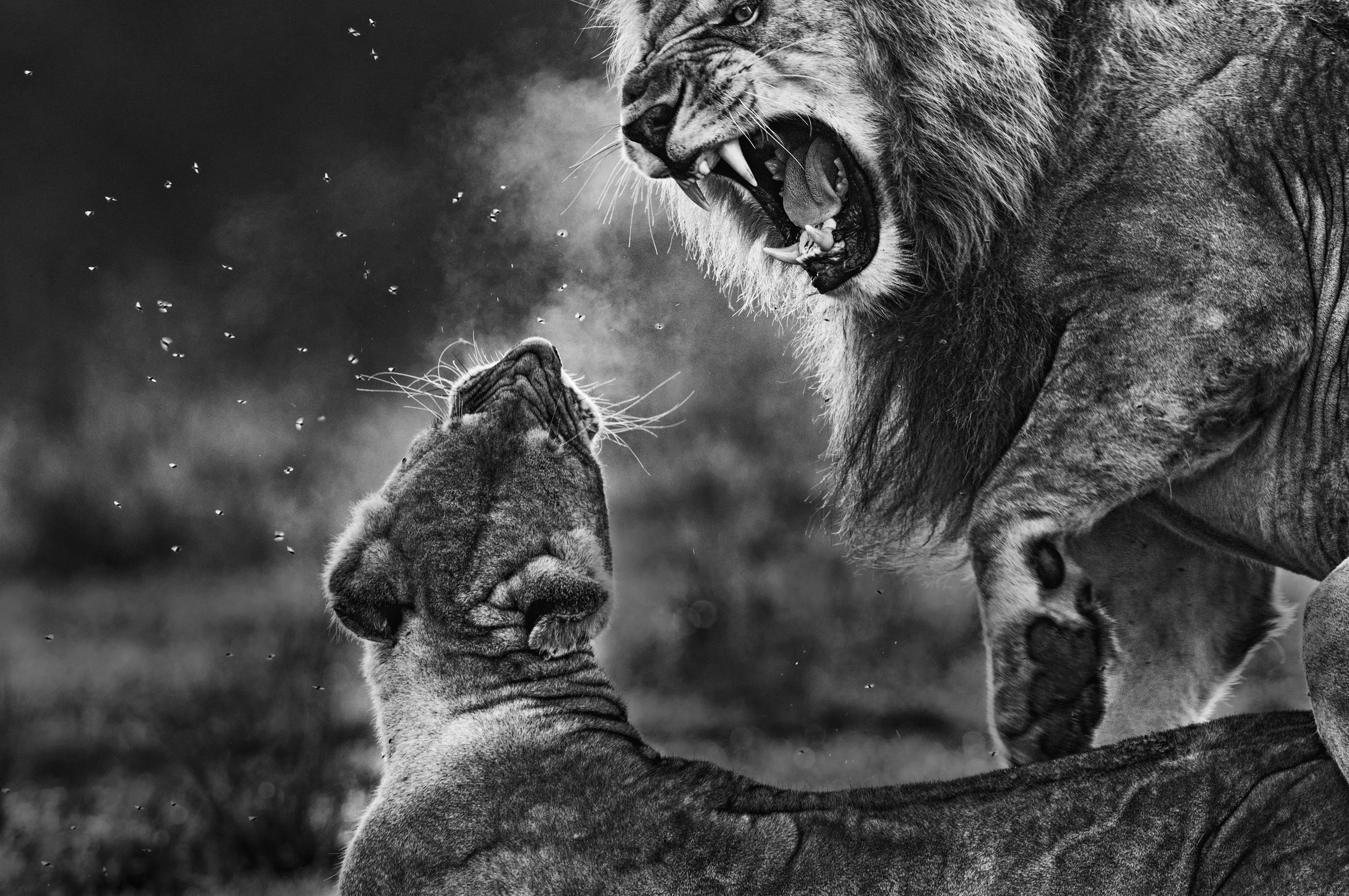
04 / The pride · © Federico Veronesi
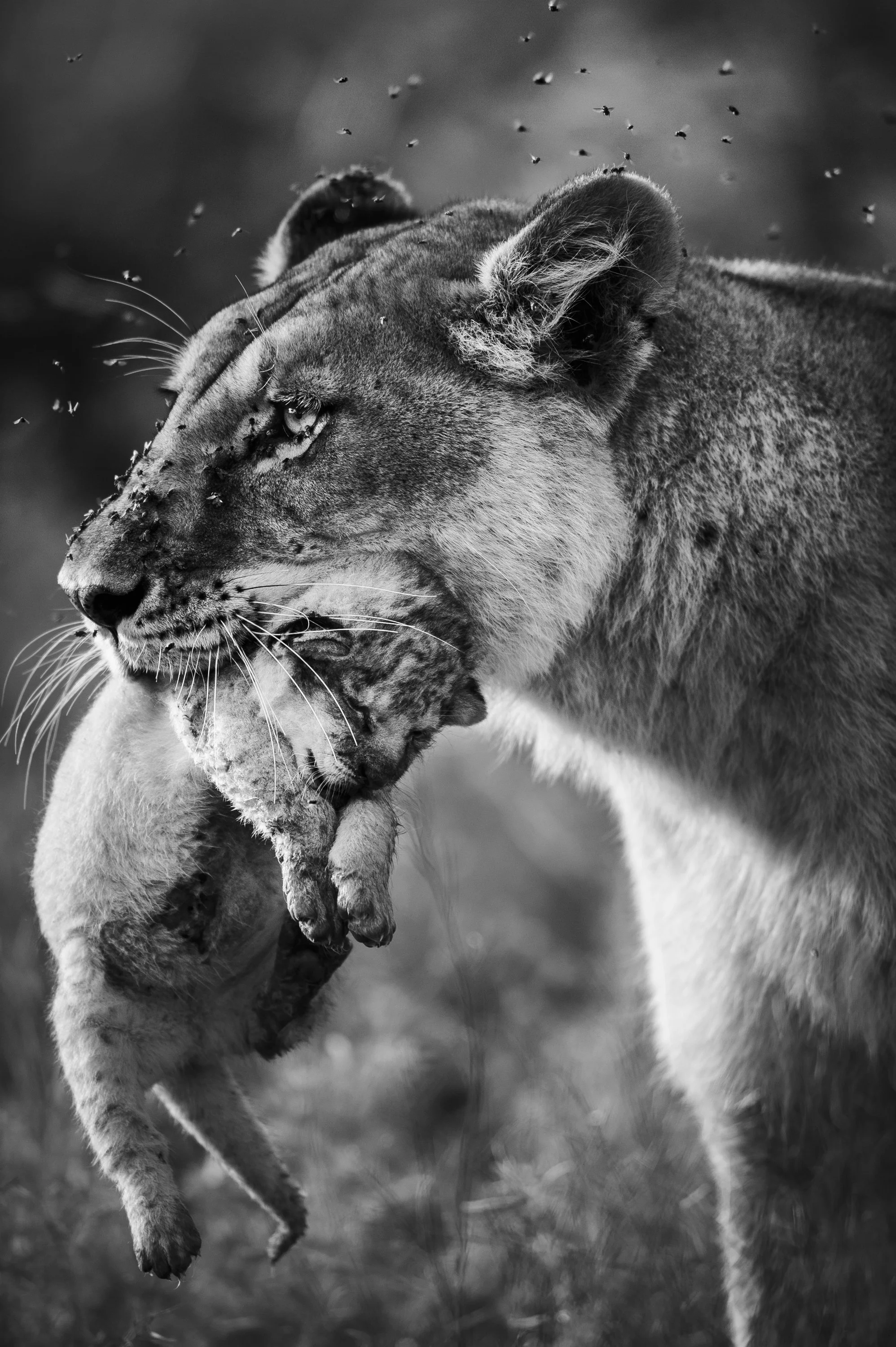
05 / Wildlife study · © Federico Veronesi
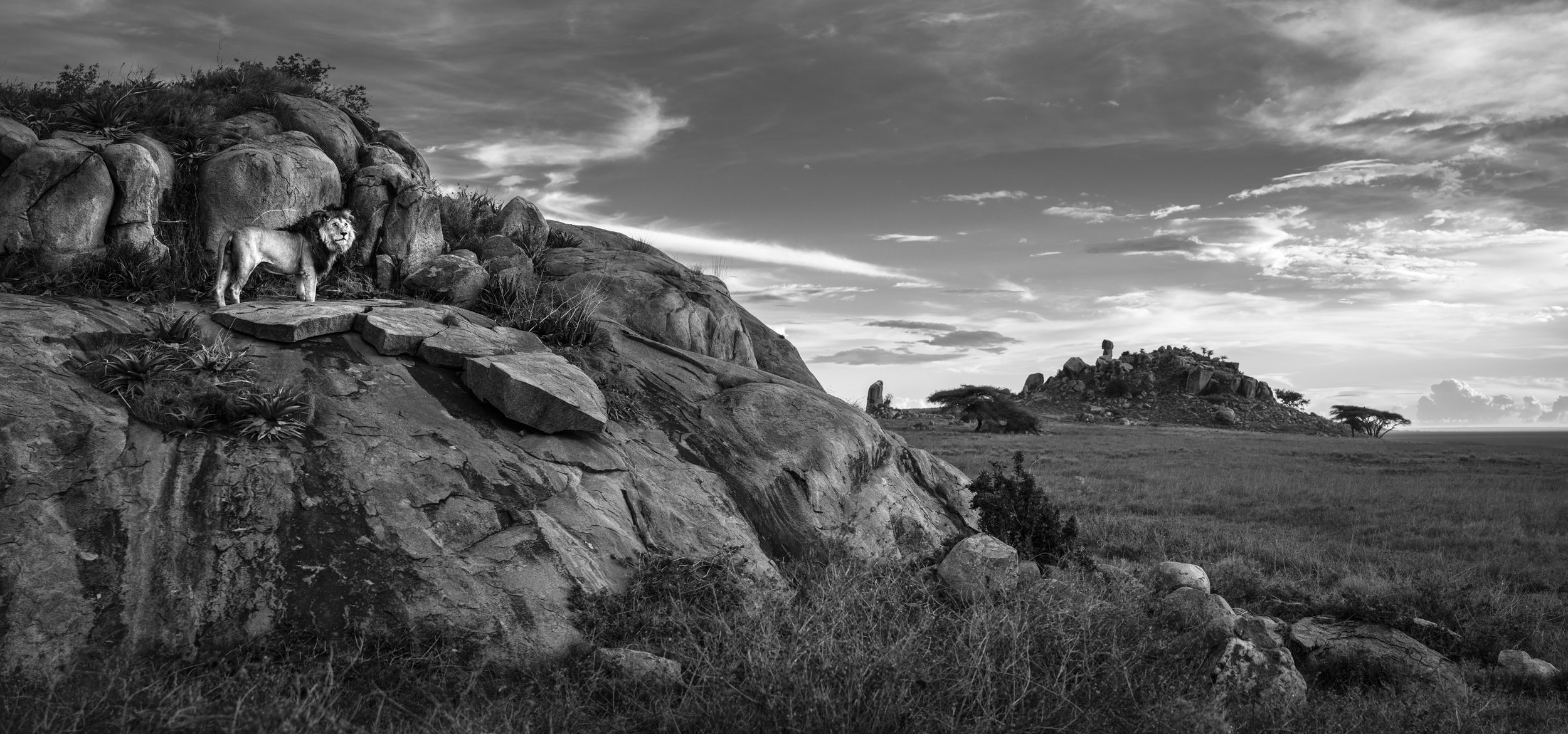
06 / Endless land · © Federico Veronesi
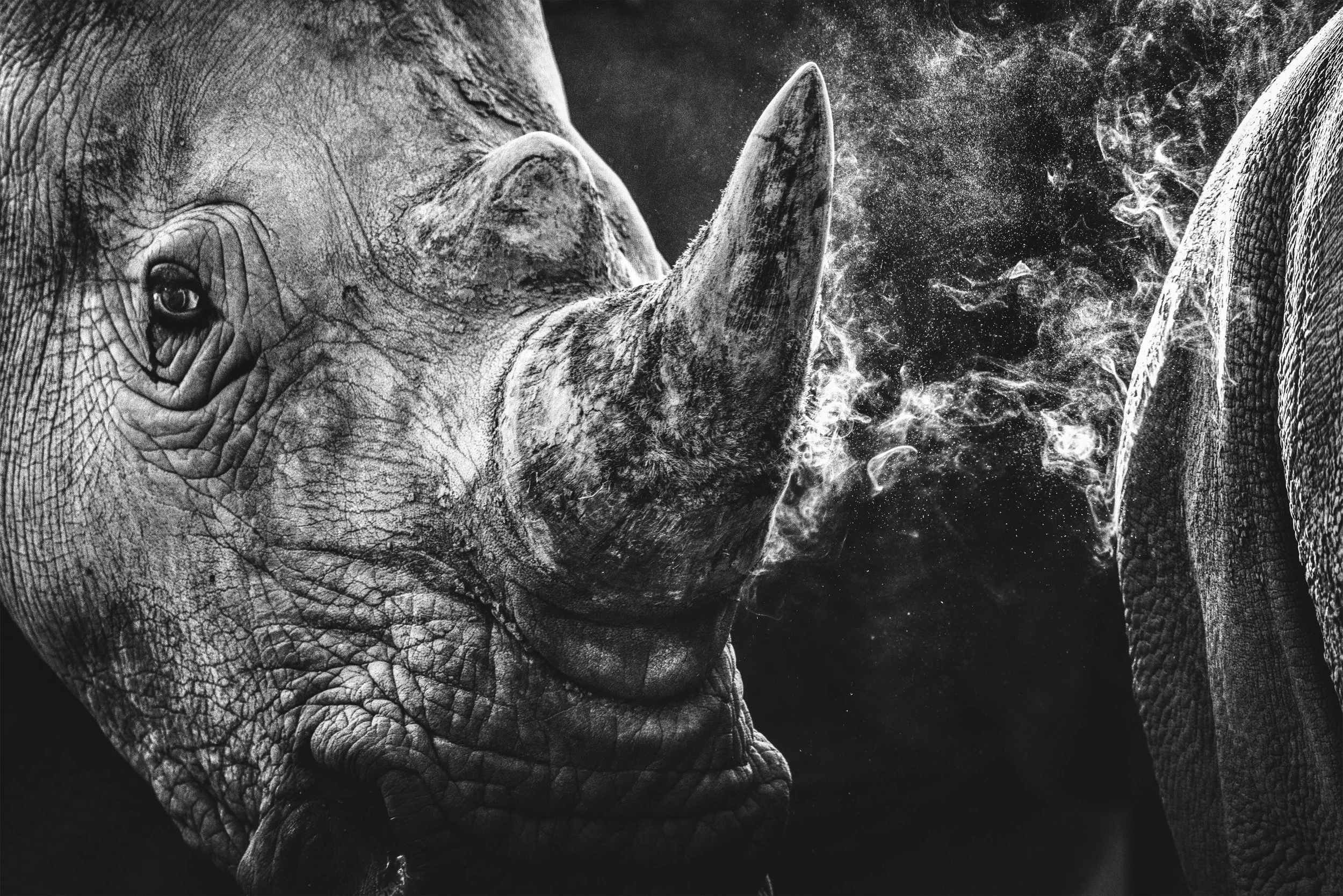
07 / The intimate wild · © Federico Veronesi
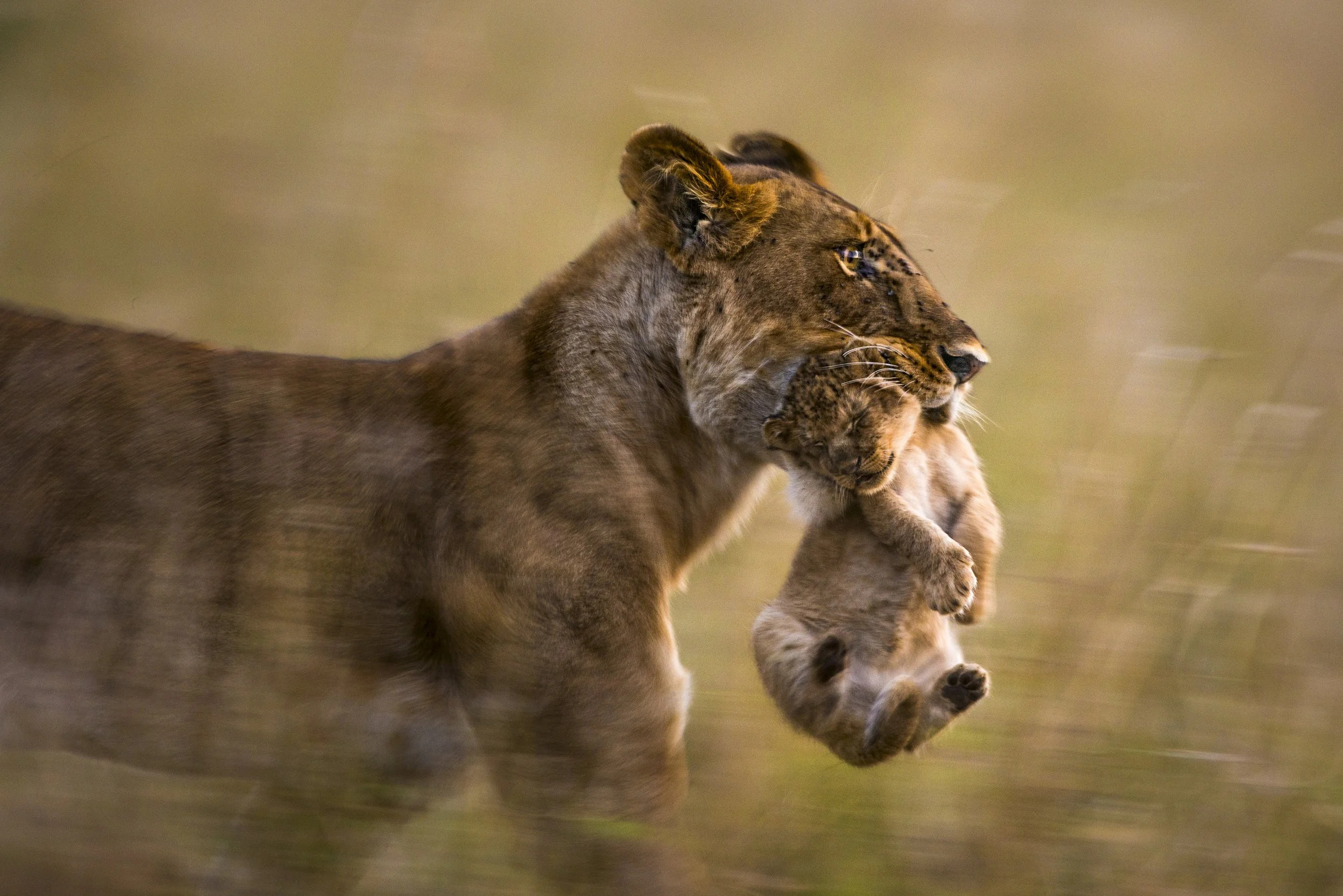
08 / A mother’s care · © Federico Veronesi