
Petra’s Silent Power: Insights from Dr. Suleiman Farajat
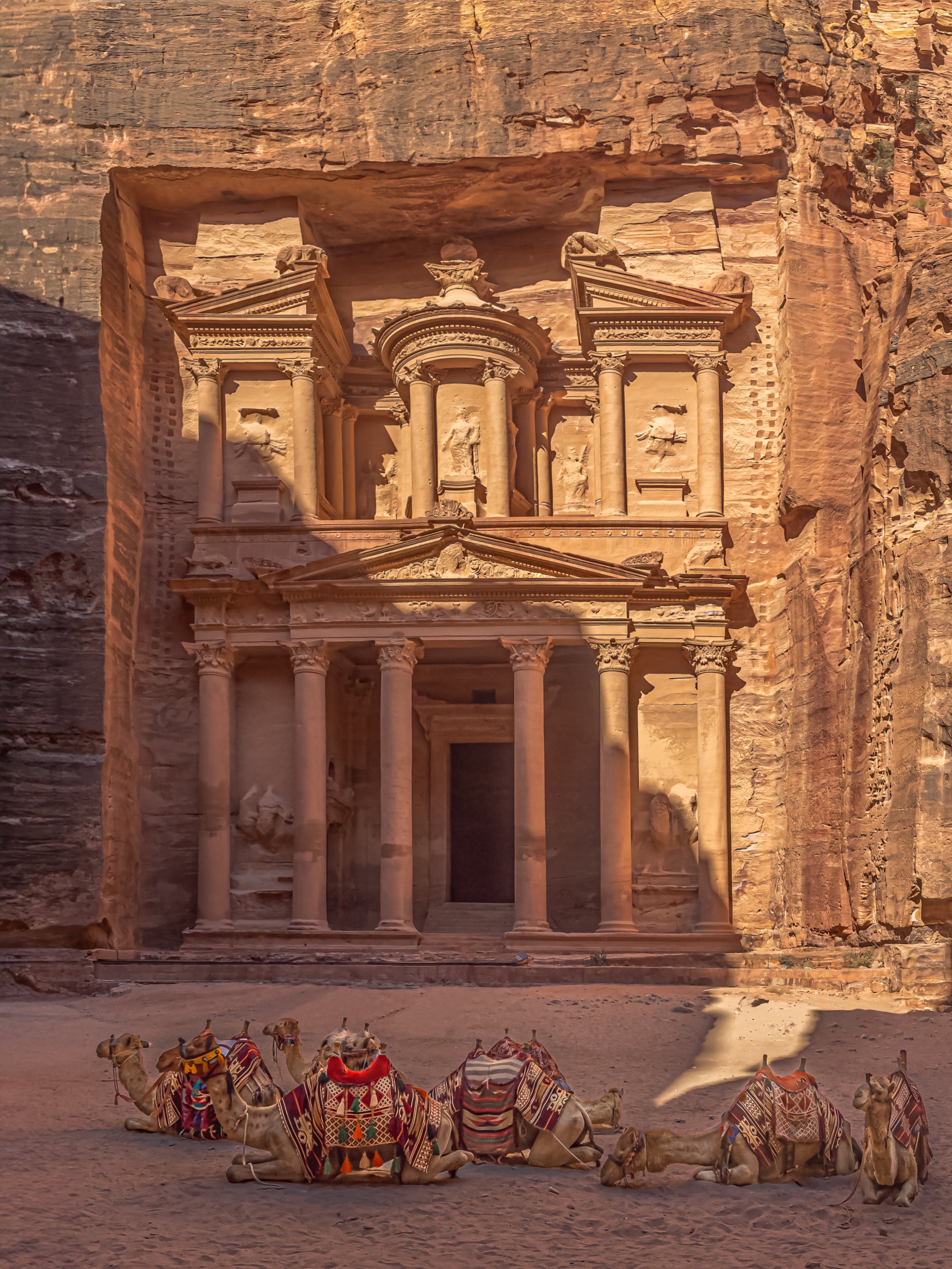
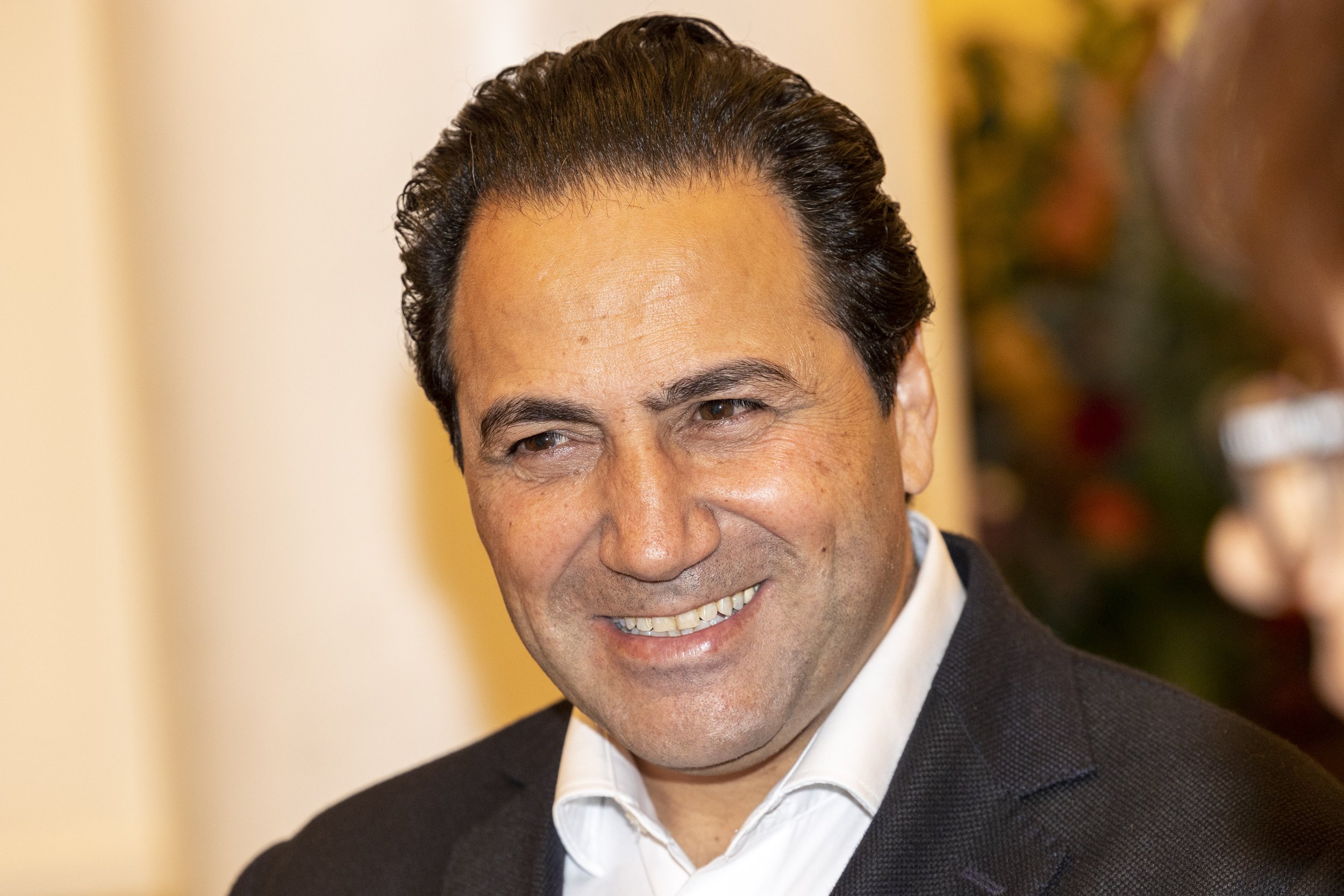
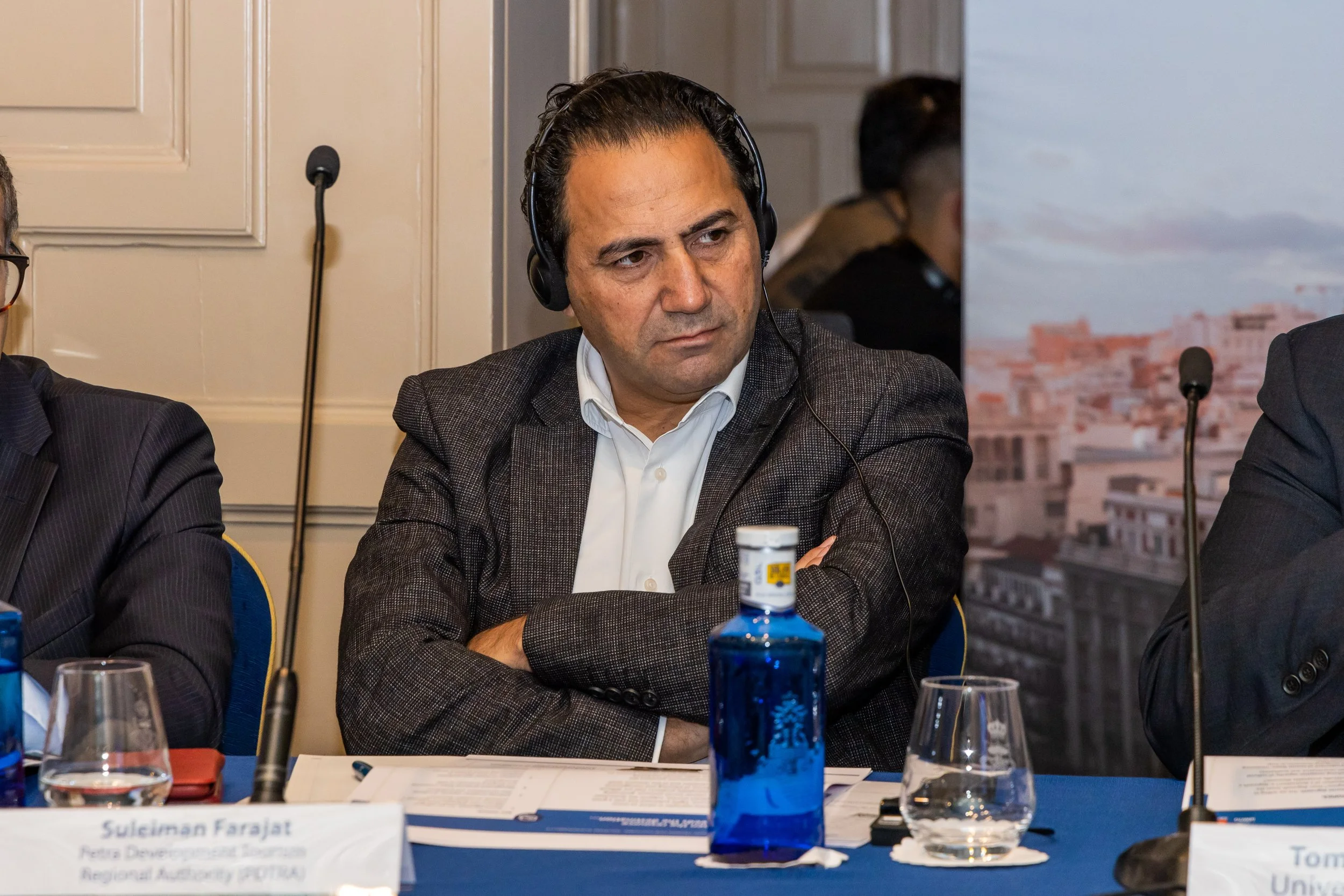
Jordan's ancient marvel, Petra, the Rose City, stands as a captivating UNESCO World Heritage site, beckoning travelers to uncover its profound secrets. Far more than just an architectural wonder, Petra offers a living narrative of rich history, a thriving local community, and an unyielding spirit of resilience in the face of contemporary challenges. We recently sat down with Dr. Suleyman Farajat, a distinguished academic born in Petra with a profound connection to its past and future, to gain an exclusive insight into this ancient wonder.
Dr. Farajat's journey is as remarkable as Petra itself. His path began as a tour guide, fostering an intimate understanding of the site and its visitors. This practical experience was then deepened by extensive academic studies in tourism management in Austria and England, culminating in a PhD focused specifically on world heritage sites. This unique blend of on-the-ground knowledge and high-level scholarship makes his perspective unparalleled. He returned to Jordan in 2013 to lecture at the University of Jordan on tourism management and development, with a primary focus on world heritage sites and their relationship with tourism, as well as their role in constructing Jordanian national identity. He also served as the director of UPR Media at the same university before moving to Petra in 2018, where he first served as the commissioner for the Petra Archaeological Park and Tourism for a year. A year later, he was appointed Chief Commissioner of the Petra Development and Tourism Region Authority (PDTRA), the body responsible for the development and management of Petra as a world heritage site and the planning of the surrounding region. His four-and-a-half-year tenure witnessed both the unprecedented highs of tourism in 2019 and 2023, each welcoming over a million international tourists, and the abrupt, challenging halt brought by the COVID-19 pandemic. He left his post in September 2023, just before the significant regional events unfolded.
The Enduring Legacy of the Nabataeans and Petra's Economic Heart
Petra, as Dr. Farajat emphasizes, is the "major gem of tourism in Jordan," a site whose economic significance is deeply intertwined with the local community. A remarkable 50% of Petra's substantial entrance fees, approximately $70 (50 JDs), directly supports the region's residents. This substantial revenue funds essential services, sustains local businesses like horse providers and tour guides, and supports the 800 local employees of the Petra Development and Tourism Region Authority, whose salaries are solely derived from these fees. This unique system underscores the symbiotic relationship between the site and its people, many of whom have transitioned from workers in the late 1980s and early 1990s to entrepreneurs, investing in new hotels and businesses within the region, thereby creating a sustainable tourism ecosystem. In 2019, due to high demand, the authority even encouraged locals to invest in hotels, leading to approximately 2,000 new hotel rooms currently under construction, with over 80% of these investments coming from the local community.
The historical significance of Petra extends far beyond its breathtaking facades. This ancient capital of the Nabataeans, a sophisticated Arab people renowned for their engineering prowess and commercial acumen, was a formidable trade hub, a true crossroads of civilizations. Dr. Farajat vividly describes it as functioning much like a "Dubai nowadays". This striking analogy paints a picture of Petra as a bustling ancient metropolis, a vibrant center that attracted not only valuable goods like frankincense, myrrh, and spices but also innovative ideas, diverse expertise, and myriad cultural influences from across the ancient world. This rich exchange is what explains the extraordinary tapestry of architectural styles evident in Petra's structures—from Roman influences to Hellenistic designs—all carved masterfully into the vibrant sandstone cliffs. Its strategic location made it a vital stop for caravans, linking the Arabian Peninsula with the Mediterranean and beyond, forging a true form of ancient globalization 2,200 years ago. Interestingly, when Petra was rediscovered in the 19th century, many Western travelers initially expected a Roman or Greek city, rather than an "Arab" one, highlighting the unexpected sophistication of the Nabataean civilization. Their kingdom, at its peak, stretched from Damascus to Gaza and down to Mada'in Saleh (Al-Ula) in Saudi Arabia, with remains even found as far as southern Italy due to their extensive trade networks.
A City of Unwritten History and Ongoing Discovery
Despite its iconic status and extensive exploration, a remarkable 80% of Petra remains undiscovered, hidden beneath the desert sands. Yet, the focus for archaeologists today is less on extensive new excavations and more on protection and interpretation. As Dr. Farajat explains, the discoveries in Petra are crucial for understanding Nabataean history, which is "largely unwritten". Unlike the Egyptians or Mesopotamians, the Nabataeans left behind magnificent carvings but few detailed textual records, primarily small inscriptions related to travelers or religious matters. Therefore, each unearthed artifact or structure helps piece together the puzzle of this enigmatic civilization, allowing for the interpretation of relationships and the chronological structuring of their kings, queens, and worship practices. This ongoing process of discovery continues to deepen our appreciation for Petra's complex and largely unrecorded past. While media reports sometimes highlight "new" discoveries, such as the supposed uncovering of a tomb under the Treasury last year, Dr. Farajat clarifies that these excavations were actually conducted in 2002 by Jordanian archaeologists, with the findings already showcased in the Petra Museum. The current emphasis, aided by new technologies like AI and GIS, is on protecting the site and keeping it intact rather than extensive new digs.
The path of a global heritage site involves dynamic management to balance preservation and local well-being. Dr. Farajat discusses efforts to optimize visitor flow and local engagement within the core site, ensuring a harmonious experience for all. Approaches have been implemented in recent years to enhance visitor interactions and streamline operations, ensuring that community income is sustained through structured and regulated methods that benefit both tourists and locals. These modern management strategies are crucial, especially when considering the significant visitor numbers, which sometimes reached 5,000-6,000 daily during peak times in 2019.
The geopolitical landscape of the region presents another significant challenge to tourism. Events such as the Gaza war and recent tensions in the broader region have led to sharp declines in tourist numbers, primarily due to issues with accessibility as international airlines halt flights. "It's a very depressive situation at the moment," Dr. Farajat notes, highlighting the severe economic impact on businesses and individuals reliant on tourism, with daily international tourist numbers sometimes dropping to 200-300, a mere 10% of normal season figures. While the COVID-19 pandemic brought an immediate halt to tourism, the current crisis has seen a more gradual decline. Despite this, there's optimism for recovery, with hopes for a strong rebound in the upcoming high season of September and October, especially with the rise of independent travelers who tend to plan shorter, more flexible trips.
Dr. Farajat's current research focuses on "tourism and crisis," examining how global events impact travel patterns and forecasting recovery trends. He observes that globally, recovery periods after crises are becoming shorter, attributing this partly to the shift from organized tours (planned a year in advance) to individual travel, where bookings are made closer to the travel date. He also delves into the multifaceted relationship between world heritage status and local development, acknowledging the inherent complexities of managing a global heritage site. This involves balancing international preservation standards with local development aspirations, and finding innovative approaches to ensure both the site's protection and the well-being of the surrounding communities.
Preservation of Petra's fragile sandstone structures is a constant endeavor, facing three major threats: human impact, nature, and over-tourism. While human impact from site use is minimal and controllable (e.g., replacing working animals with green transportation like club cars, with proceeds still benefiting locals), nature poses the most significant challenge. Natural erosion from heavy rain and wind, exacerbated by climate change, is a particular concern given Petra's sandstone composition, which is difficult to restore. While the iconic Treasury is protected by its location, other facades like the royal tombs are significantly eroded, and the Treasury itself faces potential long-term impact from heavy rain and even earthquakes due to a visible crack. To manage flash floods, comprehensive studies with UNESCO in 2019 led to efforts to construct check dams around Petra, mirroring the sophisticated hydraulic systems employed by the ancient Nabataeans themselves – a testament to the ingenuity of both ancient and modern engineers in water management.
Petra is more than just an archaeological site; it's a dynamic intersection of ancient wonders and contemporary challenges. Despite the current difficulties, the enduring allure of Petra, coupled with dedicated efforts to manage and preserve it, ensures that this extraordinary destination will continue to beckon travelers for generations to come.
Enhancing the Visitor Experience
Petra is constantly evolving to improve the visitor experience while safeguarding its delicate structures. Dr. Farajat highlights a crucial new development: a revised circulation plan. Instead of tourists entering and exiting the same way, a new system utilizes electric buses for a one-way journey through the site. This innovative approach expands the visitor's exploration, allowing them to "explore bigger and stay longer". The transportation is included in their ticket, enabling seamless access from a "back road," facilitating returns to hotels for rest, and providing continued transport for evening activities. This strategy not only enriches the visitor's exploration but also helps to "reduce the impact of the tourists on the site itself" by distributing foot traffic more evenly across the vast site, with ongoing efforts to ensure broad adoption and success of the new system.
Unique Insights and Respectful Travel in Jordan
Dr. Farajat sheds light on common misconceptions and unique aspects of Jordan, ensuring a more informed and enriching visit:
Water Resources & Hotel Costs: While Jordan is the second poorest country in terms of water resources, visitors generally won't notice a shortage, especially in decent hotels. However, the cost of running hotels in Jordan is higher due to expenses like water and energy compared to countries like Egypt, which can sometimes influence pricing.
Unique Local Customs - "Excursionism": A fascinating aspect of Jordanian culture is what Dr. Farajat terms "excursionism". Families often go to places like the Dead Sea or public beaches in Aqaba not necessarily to swim, but to gather, picnic, and enjoy each other's company. This highlights a communal aspect of leisure and family bonding. It's worth noting that public beaches in Aqaba are generally not recommended for swimming, as locals primarily use them for social gatherings.
To ensure a respectful and enriching visit, Dr. Farajat offers some cultural insights:
Dress Code: While Amman is cosmopolitan, and a hijab is not required, modest clothing is advisable, similar to dressing respectfully in any European city. Bikinis are not appropriate in public spaces.
Public Displays of Affection: Public displays of affection like kissing are taboo. Holding hands is generally acceptable.
Alcohol Consumption: Drinking alcohol in public spaces is not permitted; there are specific designated venues for this.
Language: While many Jordanians speak English and are keen to help, learning a few Arabic words like "Salam" (hello), "Shukran" (thank you), and "Afwan" (you're welcome) will be greatly appreciated and open doors to warmer interactions.
Politics: It's generally best to avoid political discussions. Be mindful that certain regional issues can be deeply sensitive and it's always respectful to avoid potentially contentious topics.
Friendliness: Jordanians are renowned for their profound hospitality and can be "too friendly" by Western standards, sometimes inviting tourists into their homes for tea or a meal. While this might seem surprising to some, it stems from genuine warmth and should be received with an open mind and appreciation for their generosity.
Safety: Jordan is a very safe country with strong law enforcement. Tourists, including Dr. Farajat's own family, have walked freely even in the evenings, feeling incredibly secure due to the low crime rate.
Jordan is not a huge country, making it easy to navigate. Amman, though a major hub, is well-connected to all the key sites. From Amman to Petra is just three hours by car. As Dr. Farajat attests, Jordan is a destination that offers a profound experience of history, archaeology, and culture, leaving visitors with lasting positive impressions and memories.
Planning Your Jordanian Adventure: Dr. Farajat's Recommended Itinerary
For those inspired by Petra's grandeur and Jordan's rich cultural tapestry, Dr. Farajat offers a classic yet unforgettable itinerary, adaptable to your available time and the season.
Amman: Start with a stopover in Amman, perhaps just for dinner, to experience its vibrant food scene and blend of ancient history and modern energy. Amman, once the capital of the Ammonites and later known as Philadelphia, the "city of brotherly love," has grown from a city of 20,000 inhabitants less than a century ago to a bustling metropolis of 5 million today. This rapid growth creates a dynamic "mosaic" of cultures, a blend of traditional hospitality and modern vibrancy. As Dr. Farajat highlights, it's a 24-hour city where you can grab a sandwich at 2 AM and enjoy a rich nightlife, good food, and friendly locals. Amman, in its unique blend of Roman ruins, Ottoman-era neighborhoods, and a modern skyline, speaks volumes about Jordan's identity, migration, and modernity. It stands "in the middle" – not Istanbul, not Cairo, but also not Dubai, possessing its own unique charm.
Northern Jordan: Head north to explore the impressive Roman ruins of Jerash, one of the best-preserved Roman cities in the world, and, if time permits, the ancient site of Um Qais, offering stunning views of the Sea of Galilee. In springtime (March-April), the north of Jordan, including Jerash, Um Qais, and Ajloun, transforms into a lush, green landscape so vibrant it might make you "think you are in Switzerland".
Dead Sea: Spend some time at the Dead Sea, ideally towards the end of your tour, for a unique and deeply relaxing experience floating in its mineral-rich waters.
King's Way to the South: Journey south along the historic King's Way, an ancient trade route dating back to biblical times. Make stops in the mosaic city of Madaba, home to the Madaba Map, a 6th-century mosaic map of the Holy Land; traverse the dramatic Wadi al-Mujib canyon, often called the "Grand Canyon of Jordan"; and visit the formidable crusader castle of Karak, perched atop a hill.
Petra: Dedicate at least two days to fully immerse yourself in the wonders of Petra, allowing ample time to explore its vast hidden depths, from the iconic Treasury to the Monastery and beyond.
Wadi Rum: Experience the breathtaking desert landscapes of Wadi Rum, known as the "Valley of the Moon," with at least one unforgettable overnight stay under the stars in a Bedouin camp.
Aqaba or Dead Sea (Relaxation): Conclude your trip with one or two days of relaxation in Aqaba, Jordan's only coastal city, enjoying fresh grilled fish and the Red Sea's evening ambiance, or return to the Dead Sea for further rejuvenation.
Dr. Farajat emphasizes that Jordan's climate is often misunderstood. While desert areas can be hot during summer days, cities like Amman and Petra can be quite pleasant, comparable to the South Mediterranean. This means tourism is viable year-round, and efforts are being made to attract visitors during the summer months to bridge seasonal gaps and offer unique experiences.